
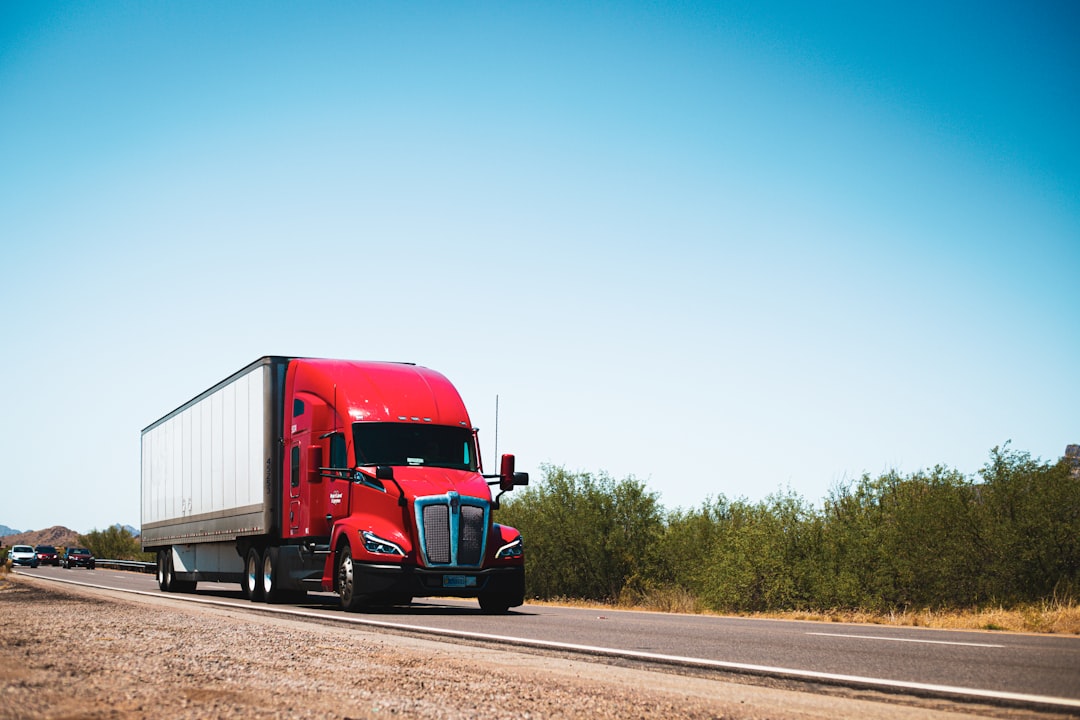
One billion kilometers. That’s how far Inceptio’s self-driving trucks have now logged on China’s highways, enough distance to circle the equator roughly 25,000 times. It’s one of the largest live tests of autonomous trucking safety on the planet, and the biggest winners aren’t shareholders. They’re the truck drivers who no longer have to fight exhaustion at 3 a.m., and the families in the cars driving next to them.
Why Truck Driver Fatigue Puts Everyone at Risk
Long-haul trucking ranks among the most exhausting jobs on the road. Drivers push through overnight shifts, tight delivery windows, and hundreds of miles of monotonous highway just to keep goods moving. Safety researchers have flagged driver fatigue for decades as one of the leading contributors to fatal crashes involving large trucks. A single drowsy moment behind an 18-wheeler can end lives far beyond the cab.
That risk doesn’t belong only to the trucking industry. It belongs to every commuter who merges onto a highway next to a semi, every family driving to visit relatives, every cyclist sharing a rural route with freight traffic. Inceptio built its automated driving system to take over the parts of the job where fatigue does the most damage: the long, repetitive highway stretches where attention naturally drifts.
What a Billion Kilometers Proves About Autonomous Trucking Safety
Inceptio’s trucks haven’t just logged miles in a lab. The company says its systems now operate across roughly 97 percent of China’s highway network, handling fog, night driving, sudden lane changes, and mountain passes along the way, according to Automotive World’s coverage of the milestone. That scale matters. A demo that works for a hundred miles proves very little. A system that has handled a billion kilometers of unscripted, real-world freight hauling starts to look like something drivers, insurers, and regulators can trust.
China rolled out a national self-driving safety standard this month aimed at cutting crashes across the industry, and numbers like Inceptio’s give regulators something concrete to measure against. You can read more about China’s new self-driving safety standard and what it means for drivers nationwide.
Cheaper, More Reliable Deliveries for the Rest of Us
Inceptio doesn’t just move dry freight. Its trucks handle express parcels, cold chain shipments, and general cargo, the kind of loads that end up as groceries, prescriptions, and online orders on someone’s doorstep. The company has already run driverless pilots with SF Express and demonstrated commercial routes with JD Logistics, two delivery networks that millions of households depend on.
Fewer fatigue-related incidents mean fewer delayed shipments and insurance claims. Steadier fuel efficiency means lower operating costs for freight companies, savings that can eventually work their way into shipping rates. None of this happens overnight, and Inceptio still relies on safety drivers for parts of its operation. But a billion kilometers of commercial experience is the kind of track record that turns a promising technology into infrastructure people quietly rely on, the same way GPS or anti-lock brakes became invisible parts of daily life.