
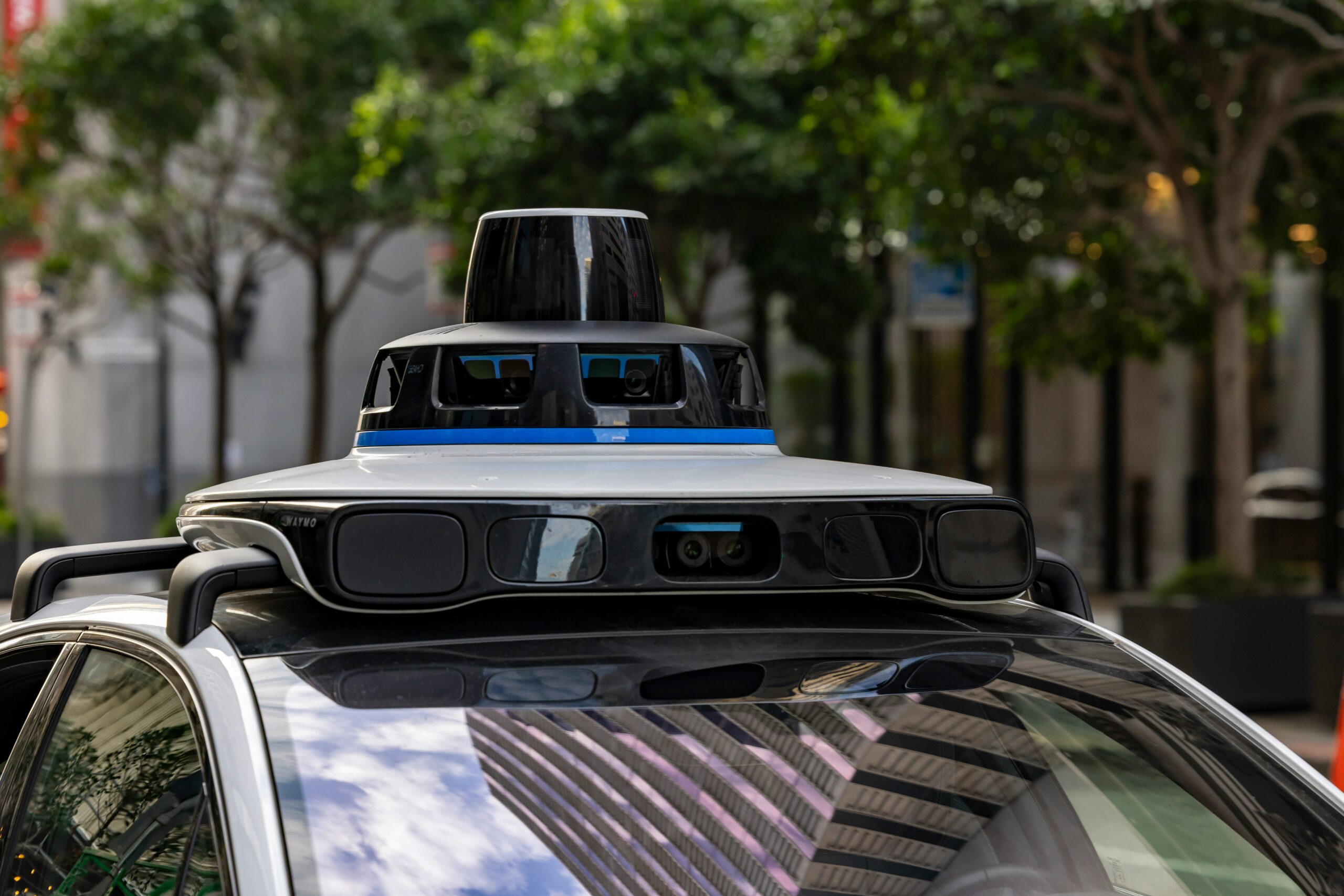
Land at Zagreb Airport, grab your bag, and step into a car that has no one behind the wheel. That’s not a thought experiment: on September 10, Pony.ai and Verne switched on the Zagreb driverless robotaxi service, a 22-kilometer route linking the airport, a downtown business district, and Verne’s own headquarters, with zero human backup driver on board.
Passengers book the ride through the Uber app, the same way they’d hail any other car. Only this one steers, brakes, and merges into traffic entirely on its own. It’s the first fully autonomous passenger service open to the public anywhere in Europe, and it caps an 18 month climb: commercial rides with a trained operator aboard started in April, safety driver supervised Uber trips followed in August, and now the driver’s seat sits empty.
How the Zagreb Driverless Robotaxi Works Without a Backup Driver
A safety driver up front works like a security blanket, for regulators and riders alike. Taking that person out means the companies are betting their reputation on the technology holding up without a human ready to grab the wheel. Pony.ai’s seventh generation system runs on redundant 360 degree sensors and a fail operational design, so a single component failure shouldn’t strand the car mid route or force a hard stop in traffic. Verne also keeps a remote monitoring team watching the fleet from off board, so help stays close even without anyone physically inside the car.
That backup layer matters most for the people riding in back. Human drivers get tired, glance at a buzzing phone, or misjudge a gap in traffic near a shift’s end. A system built on sensor redundancy and remote oversight doesn’t get drowsy on the fourth trip of a night. Pony.ai says its vehicles have logged more than 62 million miles worldwide, over 24 million fully driverless, the kind of track record regulators and cautious riders look for before trusting an empty seat.
Who Actually Benefits From an Empty Front Seat
Picture who this route actually serves: a business traveler landing at Zagreb Airport late at night who has no interest in navigating an unfamiliar rental car, an office worker downtown who’d rather answer email than fight traffic, a visitor without a Croatian driver’s license at all. None of them need to drive, own a car, or speak the local language to get where they’re going. They just open an app.
The bigger promise sits beyond Zagreb. Verne and Pony.ai plan to run more than 2,000 robotaxis across five European cities, building on a partnership already shaping how Madrid’s newly approved robotaxi service prepares to launch. Every city that adds driverless rides chips away at the same problem: not everyone can drive, not everyone wants to, and a taxi with a human behind the wheel costs more because that driver’s time is the priciest part of the trip. Strip that cost out safely, and rides get cheaper for the retiree who gave up driving, the commuter without a car, and the tourist who just needs a lift to a hotel.
What Comes Next for Riders
Regulators are still watching closely. EU wide rules currently cap fully automated vehicle approvals at 1,500 units a year, so Zagreb’s rollout runs under Croatia’s own national framework rather than a blanket European approval. That’s roughly the same regulatory tightrope Waymo has been walking in Nashville, where robotaxi access keeps expanding city by city instead of all at once. Slow and steady may be the price of building public trust in a car nobody is steering. For the riders climbing in at Zagreb Airport this week, though, the empty driver’s seat already feels normal.
Original reporting: The Next Web.