
A driver in Madrid’s morning rush hour spends an average of 30-plus minutes just getting across town, weaving through the kind of stop-and-go traffic that wears down concentration and patience in equal measure. That daily grind is exactly why Spain’s decision this month matters. On September 10, the country’s traffic authority issued its first-ever national Madrid robotaxi permit, clearing WeRide, Uber and mobility operator AVOMO to begin preparing driverless passenger vehicles for the region’s roads.
The permit itself won’t put anyone in a driverless car tomorrow. It authorizes mapping, route testing and safety validation, the unglamorous groundwork that has to happen before a single paying rider climbs in. But it does something bigger: it makes Madrid the first Spanish city with a real regulatory path to commercial robotaxi service, targeted to open by the end of 2026.
Inside the Madrid Robotaxi Permit
Spain’s Directorate General of Traffic granted the authorization under its ES-AV framework for Level 4 vehicles, meaning the cars can handle full driving duties within a defined area without a human ready to take over. WeRide will supply twenty vehicles running its GXR self-driving system, each carrying a trained specialist in the front seat while the companies validate performance across Greater Madrid’s busiest corridors. Uber picked the location deliberately. Madrid combines heavy commuter demand with a rideshare market that’s already mature, so the infrastructure and rider habits needed to support autonomous rides largely exist already.
Why This Matters for Everyday Commuters
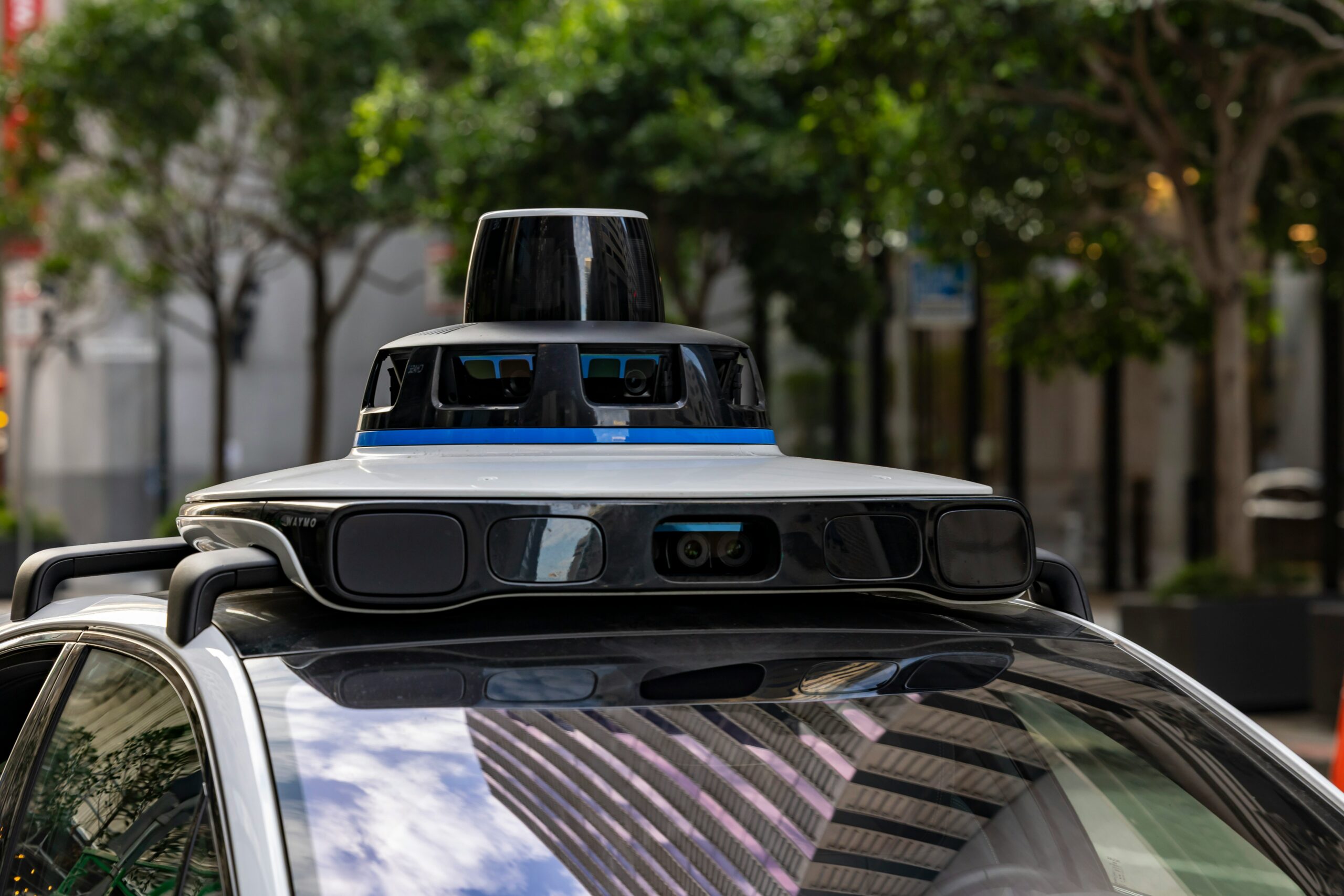
Strip away the corporate language and the appeal for ordinary riders is straightforward: fewer human errors behind the wheel, and eventually, more cars available at rush hour without waiting on driver supply. Madrid residents commuting from outer neighborhoods, visitors navigating the city without a car, and workers finishing late shifts all stand to gain from a transportation option that doesn’t depend on finding an available human driver. It’s the same logic behind London’s recent robotaxi launch with Uber and Wayve, where safety drivers still ride along while the system builds a track record on unfamiliar streets. Safety is the real selling point long-term. Waymo’s own published safety data, showing its fleet causing far fewer pedestrian injuries than human drivers over comparable miles, proves what a mature driverless network can achieve. Madrid’s phased approach, with a specialist onboard through the entire testing period, is built to earn that same record before anyone removes the safety net.
A Blueprint Other Cities Are Watching
Regulators across Europe are watching Spain’s approach closely because it’s a template, not a one-off. WeRide CFO Jennifer Li called Madrid “a key gateway” for the company’s European expansion, and Uber’s Sarfraz Maredia described the region as one of the continent’s most forward-looking testing grounds. If Madrid’s rollout goes smoothly, other Spanish and European cities gain a working example of how to authorize the technology without skipping the safety groundwork. For commuters stuck in traffic today, that’s the part worth watching: not the press release, but whether the cars actually show up on time next year.