
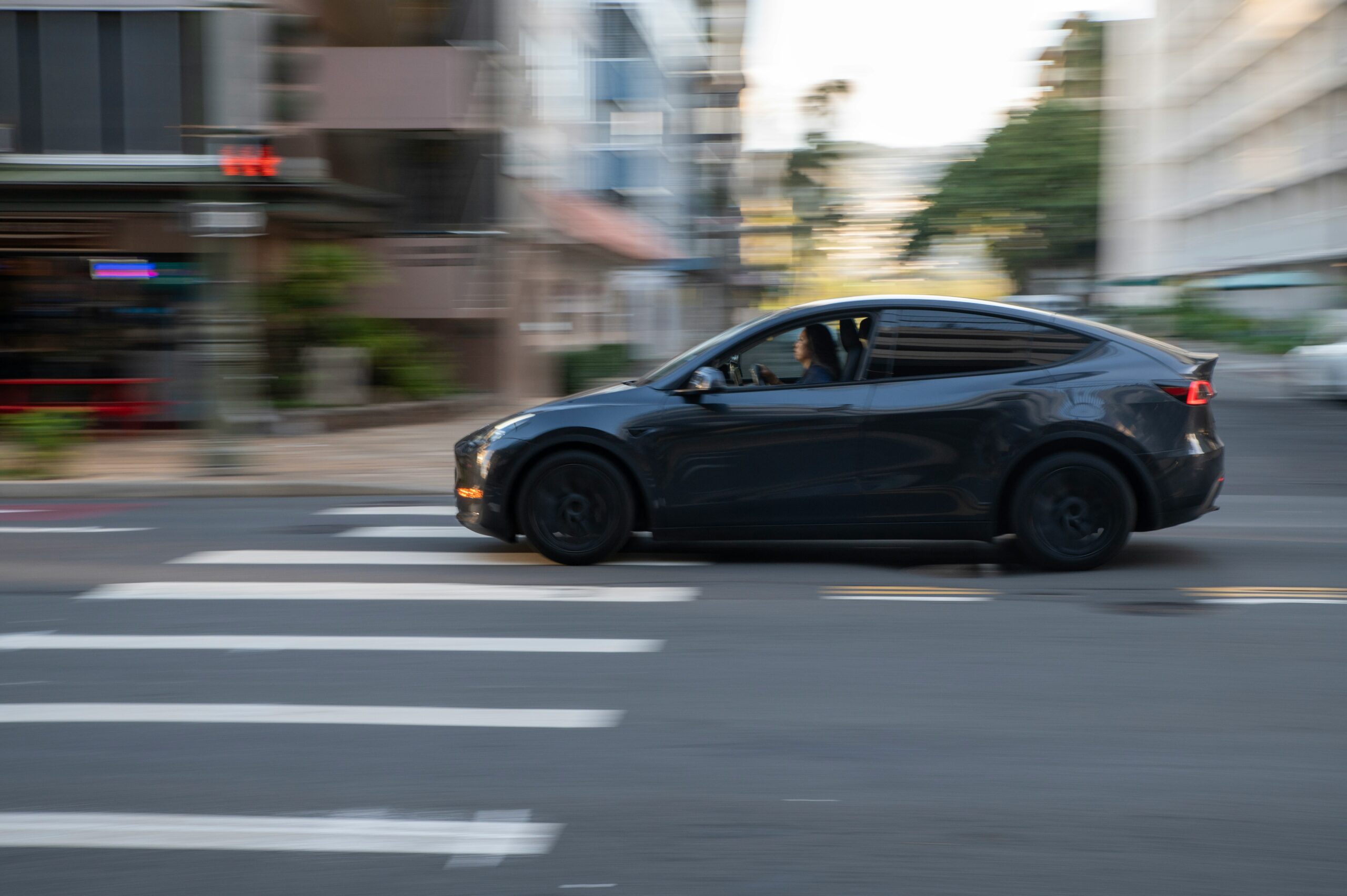
It’s a Friday night on Broadway in Nashville. Honky-tonks spill music onto the sidewalk, and a visitor pulls out her phone to book a ride home. She taps the Lyft app she already has, the same one she used to get from the airport last month. Nothing about the request looks different. She has no idea Waymo robotaxi rides just became available through that very app. But when the car pulls up, nobody is behind the wheel.
That’s the quiet shift now underway in Music City. On September 9, Lyft began offering Waymo robotaxi rides right inside its existing app, matching eligible riders with a driverless car at no extra fee, no separate download, and no new account required. It’s the first time Waymo has run through both its own app and a competitor’s platform in the same city at once, and that arrangement changes who actually gets to try a robotaxi.
Waymo Robotaxi Rides Mean One Fewer Barrier
Robotaxis have mostly stayed a novelty for people willing to track down a specialty app and learn a new interface. That leaves out a lot of potential riders. Tourists already juggling three other travel apps. Older adults who don’t want to manage yet another login. People who simply trust the service they’ve used for years. Folding Waymo into Lyft removes that friction. Riders can decline a driverless match and request a human driver instead, and Lyft still offers its full range of ride types, from Standard to Extra Comfort, right alongside the option.
For a city like Nashville, where tourism swells the population every weekend and public transit doesn’t reach every neighborhood, that convenience matters. A visitor leaving a bar downtown, a business traveler heading back to a Midtown hotel, a resident without a car in East Nashville: all of them can now request an autonomous ride the same way they’d request any other one. It’s a smaller version of the accessibility push already underway for riders with disabilities and rural residents, just aimed at a different kind of transportation gap. Waymo’s vehicles already cover roughly 60 square miles across downtown, Germantown, East Nashville, Midtown, and South Nashville, with the companies promising wider coverage in the coming weeks.
The Safety Case Behind the Convenience
None of this would matter much if it made rides riskier. Waymo’s published crash data, benchmarked against comparable human driving, shows steep reductions in serious injury crashes and pedestrian injuries. Late-night rides after last call are exactly the trips where a tired or impaired driver poses the most danger, and they’re exactly the trips this partnership targets. Fewer people scrambling for a ride at 2 a.m. means fewer people tempted to just drive themselves home.
Jobs Arrive Along With the Cars
The expansion isn’t only software. Lyft’s fleet division, Flexdrive, is opening a depot near Nashville International Airport to clean, charge, and maintain the vehicles, and that single facility is expected to create more than 70 full-time jobs. Similar arrangements are already chipping away at Uber’s exclusive hold on Waymo in Austin, where a separate driverless rollout is already running, and in Atlanta. If the app-agnostic model keeps spreading, the biggest winner won’t be either company. It will be the rider who just wants a safe way home and doesn’t want to think twice about which app to open.
You can read more about the rollout details from Transport Topics.