
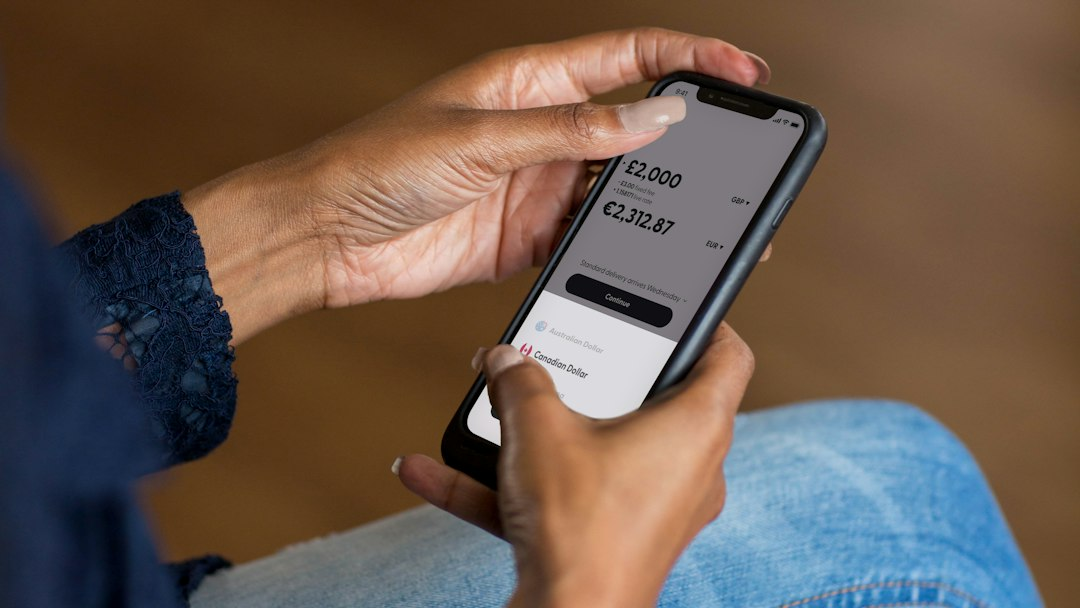
“This new capability is a global first,” said Malcolm Clarke, Western Union’s Global Head of Digital Assets, describing a tool that drops a money transfer straight into a stablecoin wallet. That’s the pitch behind Western Union’s push to expand its stablecoin payouts beyond the three dozen countries where it already works. On October 21, 2026, the company said it picked Noah, a stablecoin infrastructure firm, to help it reach the rest of its global network. It’s a selection, not a finished rollout, and the companies have not set a launch date.
Here’s what’s actually confirmed. Western Union picked Noah to power a new service called Receiver Redirect, which is meant to pay out money transfers in a stablecoin called USDPT instead of cash at a counter. Noah will handle the banking plumbing behind the scenes: pre-funding, converting, and disbursing USDPT, plus keeping each transfer compliant with local rules. The plan covers more than 60 currencies across over 200 countries and territories, reaching Western Union’s 150 million-plus customers and its network of more than 500,000 agent locations. None of that is live yet.
Western Union’s Stablecoin Payouts: What’s Live and What’s Still a Plan
This story has two different timelines tangled together, and it’s worth pulling them apart.
Live since August 2026: Western Union’s Stablecard, built with partner Rain and running on Visa’s network, already lets customers in 37 markets hold USDPT in a digital wallet and spend it with a linked Visa card, or through Apple Pay and Google Pay, anywhere Visa is accepted. Western Union says the goal is to reach more than 60 markets by the end of the year. Before Stablecard, many recipients had to walk into a physical Western Union location to collect a transfer. Now some of them can skip that trip entirely.
Announced, not live: Receiver Redirect, the new Noah-powered service, is still just a plan. It’s supposed to stretch the same basic idea, a transfer landing as USDPT instead of cash, across Western Union’s full global footprint. No launch date, no named markets, and no pricing have been published.
Why Western Union Needs Noah’s Help
Moving money across borders through banks is still slow and expensive for a lot of people. Shah Ramezani, Noah’s founder and CEO, put it bluntly in the companies’ announcement.
“The international movement of money through traditional banks is slow, expensive and no longer fit for purpose. Stablecoin opens up a new, faster and cheaper way to move funds globally. This is a watershed moment for the future of stablecoin.”
Western Union and Noah say they expect stablecoin settlement to cut delivery times from days down to hours, and to shrink costs to a fraction of what they are today. Those are the companies’ own expectations, not measured results. For context, the World Bank estimates that people send roughly $900 billion a year in remittances worldwide, and the average fee runs around 6% of the amount sent, according to The Paypers’ reporting on this deal. If stablecoin rails can chip away at that fee even partially, it adds up fast for families who send money home every month. Our look at recent stablecoin remittance cost data found similar gaps between stablecoin routes and traditional bank transfers, though reliability varied a lot by country.
Picture an illustrative example: a warehouse worker we’ll call Diego, who moved from Guatemala City to Phoenix three years ago and sends part of his paycheck home every other week. Today he might use a Western Union counter or a bank transfer, and wait a day or two. If Receiver Redirect ever reaches his corridor, his family could get the money as USDPT almost immediately, and spend it through a Stablecard instead of waiting on a cash pickup. That’s the promise. Nobody, including Western Union, has said when or if it reaches Guatemala specifically.
Why It Matters to You
- If you send money abroad regularly, faster and cheaper stablecoin-based payouts could eventually mean less time waiting and less money lost to fees, but only once Receiver Redirect actually launches somewhere.
- If you already live in one of Stablecard’s 37 markets, you may be able to receive a transfer as USDPT today and spend it with a Visa-linked card instead of visiting an agent location.
- None of this is insured like a bank account. USDPT is not FDIC-insured and isn’t backed or guaranteed by the US government, so holding it carries real risk if something goes wrong.
What We Don’t Know Yet
- Western Union and Noah haven’t given Receiver Redirect a launch date or named which countries get it first.
- Neither company has published fees for Receiver Redirect or Stablecard, so there’s no way yet to compare the real cost against a bank transfer or a service like MassPay’s Cash App payouts for gig workers.
- Stablecard is described as a “USDPT-backed Visa secured credit card,” but the collateral requirements, interest rates, and credit-reporting practices haven’t been disclosed.
- Western Union hasn’t said which of the 37 live Stablecard markets are included, or whether US customers get access.
- USDPT is not FDIC-insured and carries no US government backing, a risk that applies whether you’re an early Stablecard user or a future Receiver Redirect recipient.
Watch for Western Union to name actual launch markets for Receiver Redirect. Until it does, this is a plan worth tracking, not a service you can use yet.
Sources
- GlobeNewswire (via FinancialContent): Western Union Selects Noah to Power Global Stablecoin Payments Network (Oct. 21, 2026)
- The Paypers: Western Union selects Noah for stablecoin payments infrastructure (Oct. 21, 2026)
- CardRates: Western Union Launches Stablecoin Visa Card in 37 Markets