
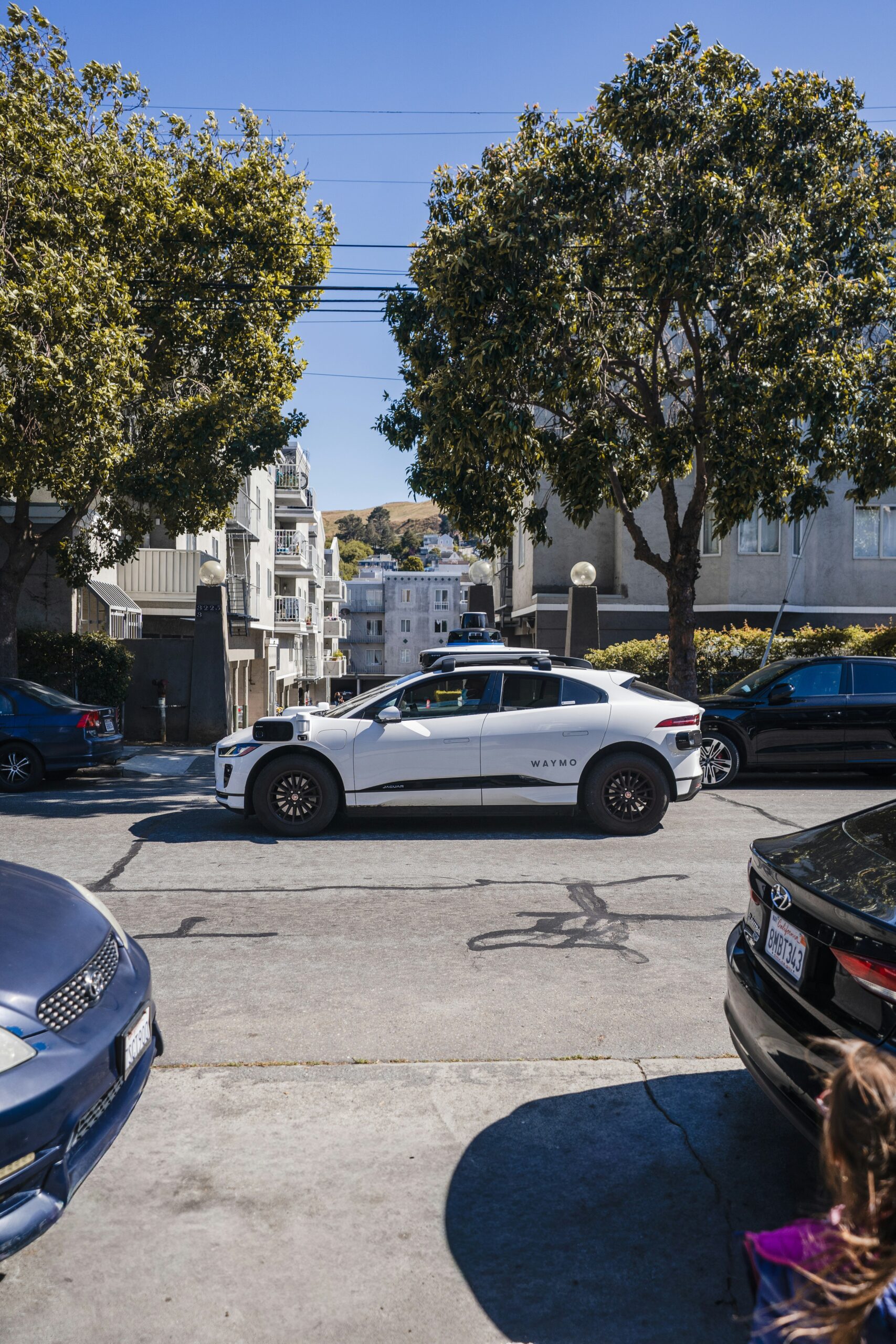
Denise Okafor gave up her car eighteen months ago. She’s 68, retired from the post office in San Antonio, and her knees don’t love parallel parking the way they used to. For a while, that meant planning her whole week around whether a Waymo would show up in under fifteen minutes. Lately, the wait has gotten shorter, and she’s not imagining it.
That’s what’s happening with Waymo’s Texas robotaxi expansion this month. The company added roughly 360 robotaxis to its Texas fleet in just three weeks, according to reporting published in late September. That’s a 49 percent jump, pushing the state’s fleet past 1,100 vehicles spread across Dallas, Houston, San Antonio, and Austin, where Waymo recently opened up freeway routes across the whole city. Nationally, Waymo now runs about 4,000 robotaxis across 15 cities and logs roughly 500,000 paid rides a week.
Numbers like that can read as a business story. For Denise, and for a lot of people who don’t drive, it’s something closer to a lifeline getting sturdier.
What Waymo’s Texas Robotaxi Expansion Means for Riders Who Don’t Drive
A robotaxi service only works for someone if a car actually shows up when they need one. More vehicles per square mile means shorter waits, fewer canceled trips during rush hour, and more predictable rides to work, church, or a doctor’s appointment. That matters most for people who can’t drive at all: older adults like Denise, people with disabilities, teenagers, and anyone whose vision or a medical condition keeps them off the road.
It also matters for people who technically could drive but can’t easily afford to. AAA pegs the cost of owning a new car in 2026 at nearly $12,863 a year, once you count the loan, insurance, gas, maintenance, and parking. That’s over a thousand dollars a month before a single mile gets driven for work or errands. A rider who leans on a handful of robotaxi trips a week instead of carrying a car payment can keep a real chunk of that money in their pocket every month.
Waymo’s robotaxis have also been logging fewer injury crashes than human drivers this year, which matters more as a fleet this size shares more streets with cyclists and pedestrians in cities that weren’t built with robotaxis in mind.
A Minivan Makes the Math Work for Families, Too
About a third of the new Texas vehicles are Waymo’s newer Ojai model, a modified minivan with more cargo room and legroom than the compact sedans that came before it. That’s a small detail with a real payoff for a parent hauling two kids, a stroller, and a week’s worth of groceries, or a group of coworkers splitting a ride to save money on the way to a job site.
Here’s my honest take after watching this rollout play out city by city over the past two years: the fleet mix matters almost as much as the fleet size. A service can’t really call itself accessible if half its riders can’t fit comfortably, or at all.
What a bigger, more varied fleet actually buys riders:
- Shorter waits, especially outside downtown cores
- Fewer trips canceled because no car was nearby
- More room for kids, groceries, or a folded wheelchair or walker
- One less car payment, insurance bill, or parking headache to budget around
TechCrunch’s mobility desk noted this week that Waymo, Aurora, and Wayve are each picking different lanes to scale in, from robotaxis to trucking to driver-assist systems built into ordinary cars. Waymo’s bet is clearly volume: more cars, more cities, more rides every week. For riders like Denise, that bet is starting to pay off in minutes saved at the curb.
Keep an eye on whether Waymo brings this kind of fleet growth to a city near you, and whether the minivans start showing up outside Texas. If they do, it won’t just be a bigger business. It will be one more household that never has to shop for a second car.