
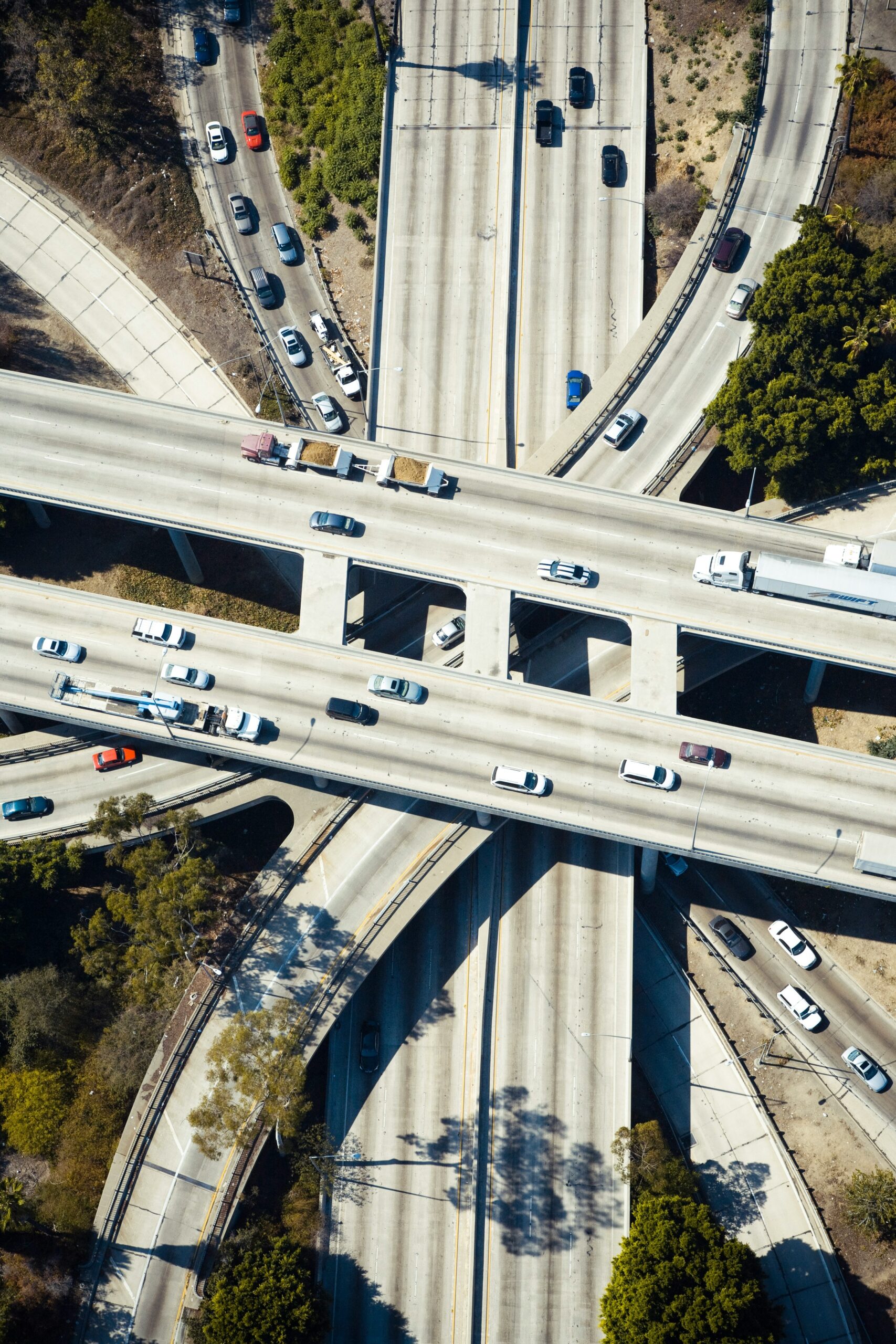
Picture Priya, a physical therapist in Round Rock who sold her car two years ago to cut down on payments and insurance. Getting to a client’s home in South Austin used to mean a slow crawl down the access road, stoplight after stoplight, sometimes 50 minutes each way. This week, Waymo’s Austin freeway rides changed that math for her. Her robotaxi merges straight onto the highway now instead of fighting surface street traffic the whole way across town.
That’s the real story behind Waymo’s announcement on Thursday, September 24. The company is opening up fully driverless freeway trips to Uber riders in Austin, its first freeway service anywhere in Texas.
How Waymo’s Austin Freeway Rides Actually Work
Waymo’s Austin cars can now use four major routes:
- MoPac Expressway
- Interstate 35
- US 183
- US 290
Not every ride gets freeway routing yet. Waymo is rolling this out slowly, starting with a portion of trips and expanding to more riders over the coming weeks, according to Thursday’s announcement.
The company didn’t rush this. Safety staff started riding along on Austin freeways back in February, testing merges at highway speeds. Waymo says it has logged more than a million autonomous freeway miles with riders in Phoenix, San Francisco, Los Angeles, and Miami, with Atlanta next in line for the same upgrade.
Who This Actually Helps
This isn’t really a story about software. It’s a story about who gets left behind without it.
Austin’s fastest growing suburbs, Round Rock, Pflugerville, and Cedar Park, sit right along these freeways. Public transit rarely connects them well once evening buses stop running. People who can’t drive because of a disability, older adults who’ve given up their license, and anyone finishing a hospital shift at 2 a.m. all depend on rides that take the fast way home.
Austin already has one other driverless option crossing town. Tesla’s Cybercab launched its own robotaxi service here earlier this year. Now riders without a car have two competing services racing to get them where they’re going, which tends to be good news for prices and wait times alike.
The Time and Money Add Up
Rideshare fares are built on time and distance together. A trip with 20 fewer minutes stuck at red lights is a cheaper trip, not just a faster one. If a cross-town appointment that used to eat 45 minutes on surface streets drops to a 20-minute freeway run, that adds up to real savings over a month of errands, shifts, and doctor visits.
Freeways are, mile for mile, some of the safest roads around, since there are no cross-traffic left turns or pedestrians darting between parked cars. A law professor who studies autonomous vehicles told KXAN that higher speeds leave less time to react when something goes wrong. That’s why Waymo spent months refining its software before letting paying riders on board. The company’s own nationwide numbers back up the caution: Waymo recently reported its fleet has already prevented hundreds of injuries, with pedestrians benefiting most.
Austin’s airport isn’t on the map yet, though Waymo already picks up at the airport in San Antonio, 80 miles down I-35. Freeway access usually comes right before airport service, so don’t be surprised if that’s next.
If you live along MoPac or I-35 and don’t own a car, or if you’re the one always driving a parent or neighbor across town because their license lapsed years ago, keep an eye on this rollout. Open the Uber app in Austin the next time you’re in a hurry. You might already be one of the riders getting the fast route.