
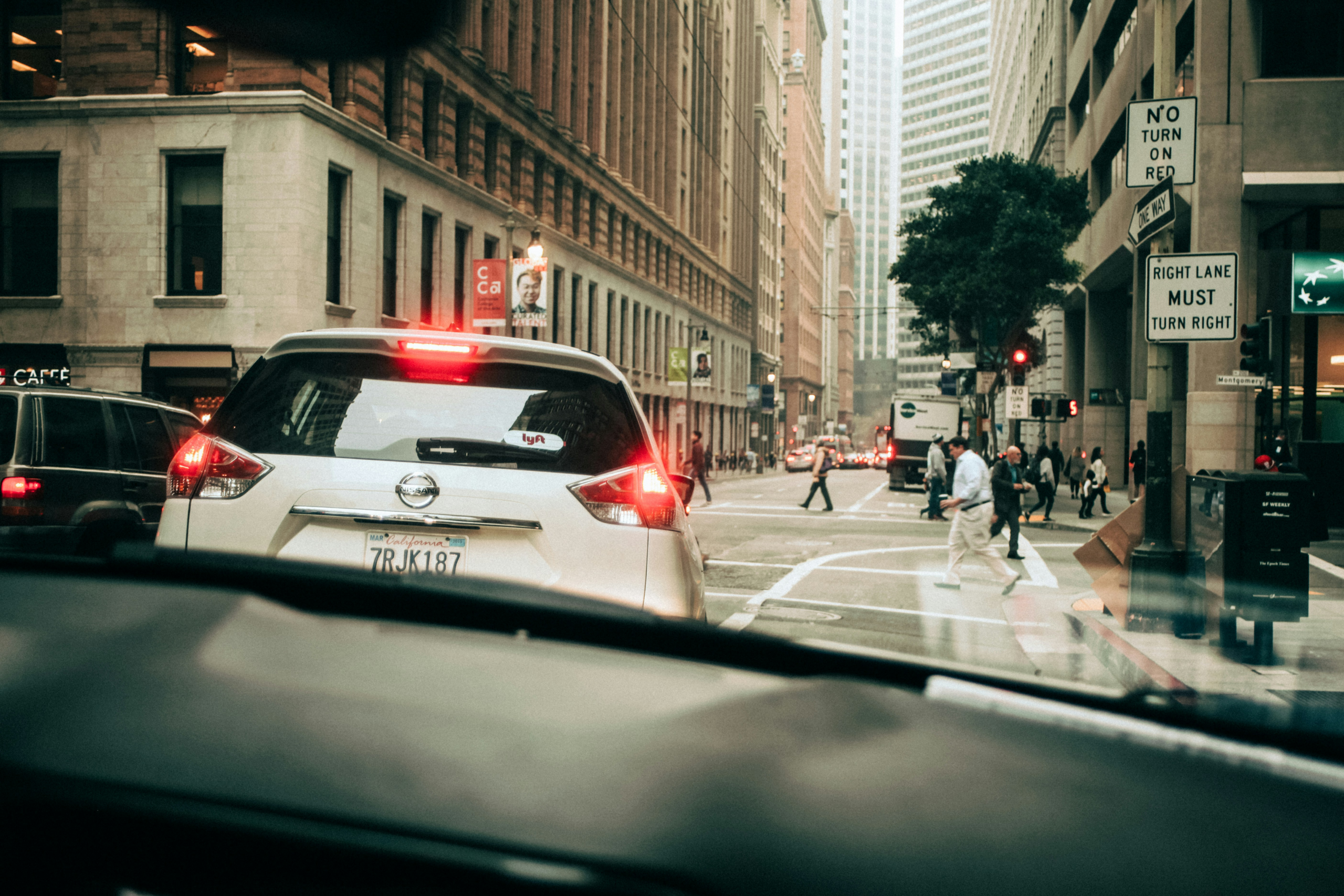
Priya spends her mornings on BART, riding in from Hayward to a home health care shift in San Francisco. The train covers most of the trip. The last mile, from the station to a client’s apartment before sunrise, used to cost her eighteen dollars in a solo rideshare. Now it costs her $15.15, and Waymo covers the rest automatically.
That is the idea behind Waymo Transit Rewards, the program the company switched on for Bay Area riders on September 22. Tap the same Visa card for a Waymo ride and a bus, train, or ferry within two hours. Waymo drops $2.85 in Waymo Cash back into your account automatically. That is the price of a Muni fare, credited without a code or a form.
What Transit Rewards Actually Covers
The rewards work across all 27 Bay Area transit agencies that accept contactless Visa payments, plus a dedicated partnership with Caltrain. Waymo is also leasing 40 parking spots at Caltrain stations so its cars have a real place to wait. Riders no longer need to hunt for a pickup spot outside a crowded station entrance.
California Transportation Secretary Toks Omishakin praised the move.
“It rewards people for choosing transit and makes a multimodal trip feel like one seamless journey.”
That is a fair summary of the mechanics. This is less a flashy robotaxi story and more a plumbing fix. It connects two kinds of transportation people already use on their own.
Who Actually Notices the Difference
Waymo says more than half its riders in San Francisco, Los Angeles, and Phoenix already pair a robotaxi trip with public transit. Those riders include commuters without a car and older adults who prefer not to drive after dark. They also include shift workers like Priya, who need a ride when the bus schedule runs thin. That trust builds on injuries the robotaxis have already prevented, numbers Waymo has been willing to publish while most competitors stay quiet.
Run the math over a full workweek and it adds up fast. Two matched trips a day, five days a week, comes to $28.50 back weekly. Over a year, that is more than $1,400 for someone who already rides transit and Waymo on a regular loop. Nobody has to change their routine to collect it.
The Skeptics Have a Point
Not everyone buys Waymo’s framing. Transit advocate Cyrus Hall raised a pointed critique in Streetsblog San Francisco. He said the program mostly helps riders who can already afford fifteen-to-twenty-dollar robotaxi rides. A $2.85 credit barely matters to someone who needs transit to stay cheap, not a rewards program. Other advocates worry that pairing ride-hail with transit pulls riders further from buses, adding cars to streets that are already crowded.
That criticism deserves real weight. I would like to see Waymo offer a bigger credit to riders who cannot afford a Waymo ride at all. I would also like to see it work with debit cards, not just Visa credit. Still, the Caltrain parking deal and the sheer number of riders already blending trips tell me this is not just a press release. It is a small, real subsidy for a habit a lot of Bay Area commuters already have. That is worth watching as car-free-leaning transit networks keep multiplying around the country, including Beep and Freebee’s newly merged microtransit service.
Would you link your card for $2.85 back on your next commute? For plenty of Bay Area riders, that decision just got easier.