
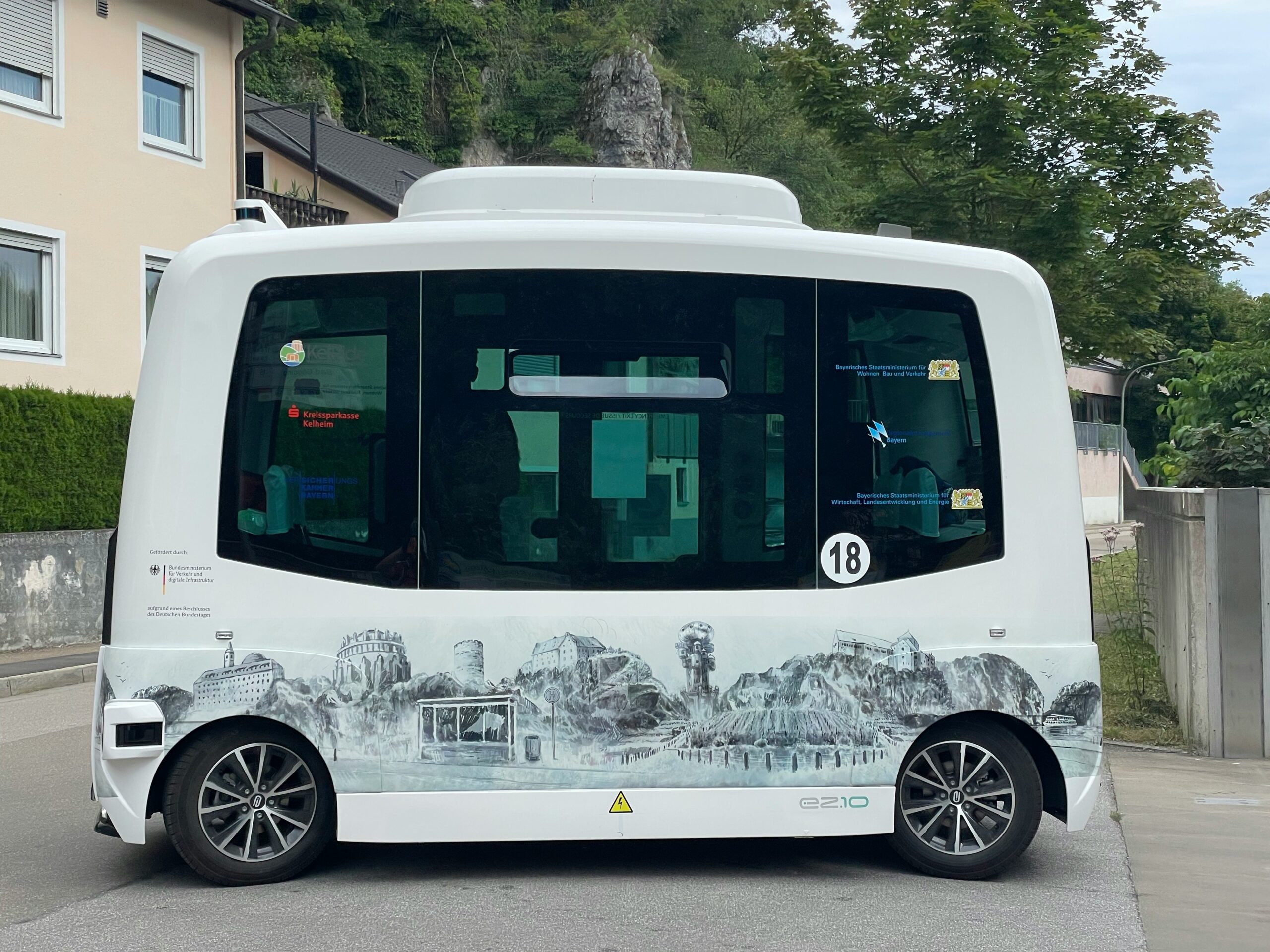
Japan closes rural bus routes every year, not because towns stopped needing them, but because there aren’t enough drivers left to run them. May Mobility’s new rural shuttle just gave those towns a real alternative: the country’s first driverless Toyota e-Palette, now running on public roads without waiting on a volunteer behind the wheel.
The shuttle started carrying riders this month in a handful of Japanese cities, with more communities joining through the next fiscal year, according to Automotive World’s coverage of the launch. Toyota built the electric shuttle to hold up to seven passengers, and it comes with wheelchair access built into the design, not bolted on as an afterthought. That detail matters. A rider who can’t transfer into a regular car or squeeze onto a crowded train finally gets a seat that was designed with them in mind from the start.
Who Actually Gets a Ride Out of This
Picture a retiree in a small town outside Fukuoka whose nearest grocery store sits a few miles away. For years, the choice came down to a family member with a free afternoon or a taxi fare too steep to spend twice a week. Now there’s a third option: an electric shuttle that shows up on a fixed route, rain or shine, without needing anyone to volunteer their time behind the wheel.
That’s the real story behind Japan’s driver shortage. Bus companies aren’t losing riders. They’re losing the people willing and licensed to drive the routes, especially in towns where the average age keeps climbing. May Mobility’s autonomous shuttle skips that requirement entirely. A remote operator watches over the system through NTT Mobility’s new Operation Assist platform instead, ready to step in if anything looks off, but nobody has to physically show up to steer.
The Safety Tech Behind May Mobility’s Rural Shuttle
None of this works if riders don’t trust the vehicle. May Mobility built its driving system to refresh its read of the road every 200 milliseconds, blending machine learning with hard safety rules that never bend, even when the AI suggests otherwise. That combination is why the companies are pushing toward Level 4 certification, the tier that lets a vehicle operate without anyone required to grab the wheel.
Communities elsewhere have already leaned on a similar model. Shreveport’s free self-driving bus opened up downtown trips for riders without a car of their own, and Washington state’s new rural self-driving plan is chasing the same goal for towns that lost their last bus line years ago. Japan’s e-Palette rollout adds another data point to a pattern showing up worldwide: when driving a bus becomes optional rather than mandatory, routes that would have disappeared keep running instead.
May Mobility CEO Edwin Olson put it plainly when announcing the expansion, saying the next phase means more communities, bigger deployments, and the first autonomous e-Palette on Japan’s public roads. For a retiree trying to reach a doctor’s appointment or a wheelchair user tired of planning trips around whether a vehicle can fit them, that expansion isn’t an abstraction. It’s a shuttle that shows up on time, every time, whether or not anyone volunteered to drive it.