
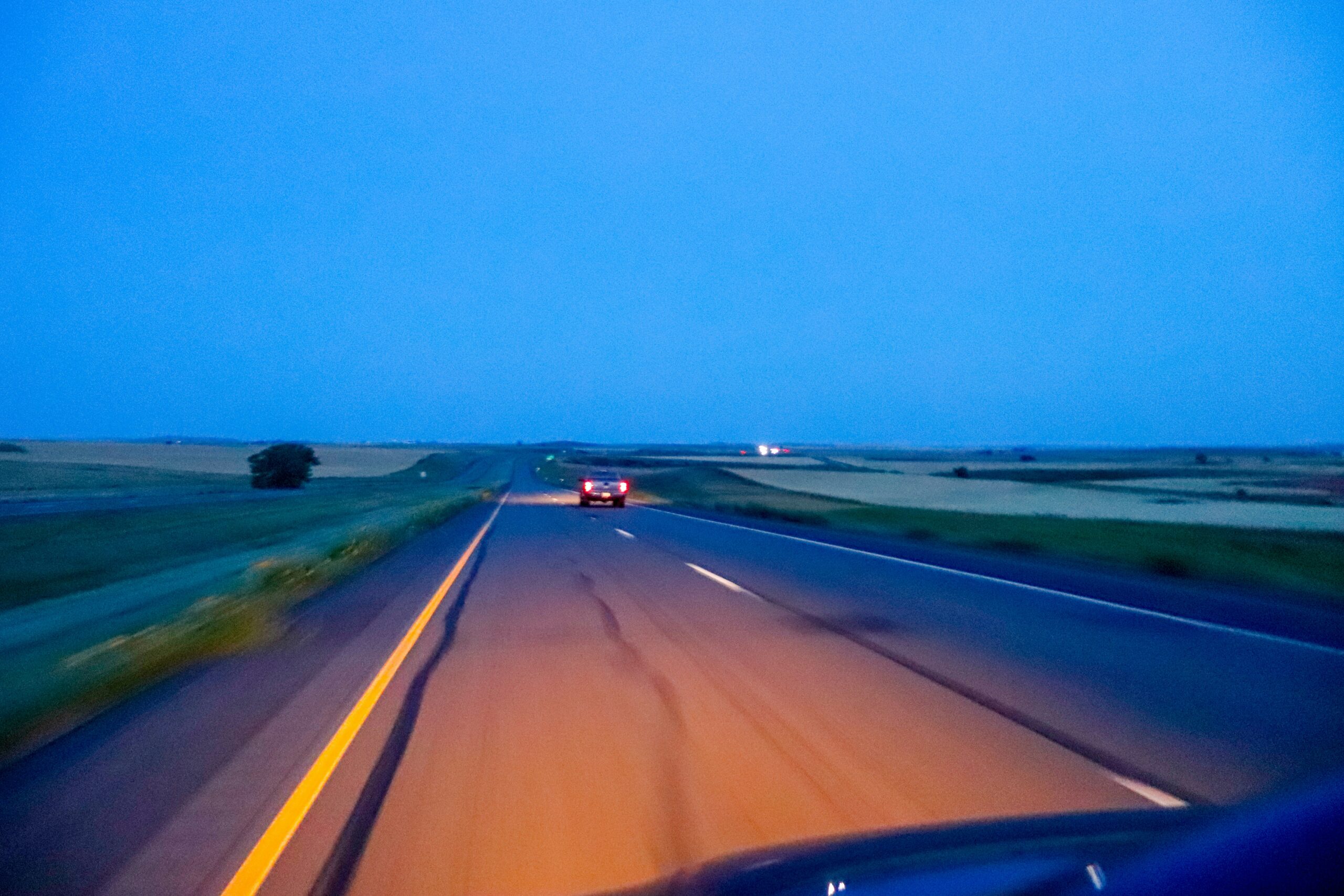
In a lot of small towns, the nearest hospital sits forty five minutes away, the last bus route folded years ago, and getting anywhere depends on a neighbor with a free afternoon. That is the gap the U.S. Department of Transportation wants to close with a new push for self-driving rural access, and on September 3 it put real money and rulemaking behind the idea.
Transportation Secretary Sean Duffy unveiled a National Strategy for Automated Vehicles that lays out how the federal government plans to get self-driving cars, trucks, and buses onto more roads, especially the ones that never had much public transit to begin with. The plan runs through 2030, and it treats access, not just sensors and software, as the whole point.
Where Self-Driving Rural Access Actually Starts
Rural America is where the transportation gap bites hardest. Millions of people live outside a metro area, and plenty of those counties lost their last taxi service or bus line long ago. The strategy folds in a $25 million congressionally funded demonstration program that Congress started back in March and that pays for automated vehicle pilots on rural roads instead of only city grids.
Robotaxi companies have mostly stuck to dense downtowns, where sensors and mapping are cheaper to test. Federal money aimed at rural corridors pushes that math in a different direction, and it matters most for older residents who already handed over their keys. Waymo’s robotaxi launch in Tampa already showed what that looks like for seniors who no longer drive, giving them a way to reach a doctor’s appointment or a grocery store without asking for a favor. That independence is the whole point.
A Plan That Finally Names Disability
The strategy also points research money at a harder problem: making automated transit buses usable for riders with cognitive, intellectual, sensory, or mobility disabilities. That is a different challenge than building a car that never gets tired. A bus has to announce that a stop is coming, let someone board with a wheelchair without a scramble, and do it all without a driver who can read the room and adjust.
The plan does not hand riders a finished product here. It funds the research needed to build one. For someone whose only current option is a paratransit line with a two-day wait, that research counts as real movement. It is not everything. It is something.
Fewer Drunk, Tired, and Distracted Drivers
The rest of the strategy leans on a simple fact: automated systems do not drive drunk, they do not get drowsy, and they cannot glance at a phone at sixty miles an hour. Drunk, distracted, and fatigued driving still kill thousands of people a year on American roads. Duffy’s plan pushes regulators to speed up defect investigations, simplify crash reporting, and rewrite safety standards that regulators drafted decades ago for a person behind a wheel.
Some of that groundwork is already paying off on the freight side. Kodiak’s driverless trucks recently cleared a major safety milestone on interstate routes, exactly the kind of long haul corridor the new strategy wants to connect state to state without a patchwork of conflicting local rules slowing everything down.
None of this flips a switch overnight. DOT frames the rural and disability pieces as research and pilot work, not a rollout with a date attached. But for a family without a bus route, or a rider who has never found a transit app built with them in mind, a federal plan that treats access as seriously as it treats sensors is worth watching. Read the full strategy on the Department of Transportation’s website.