
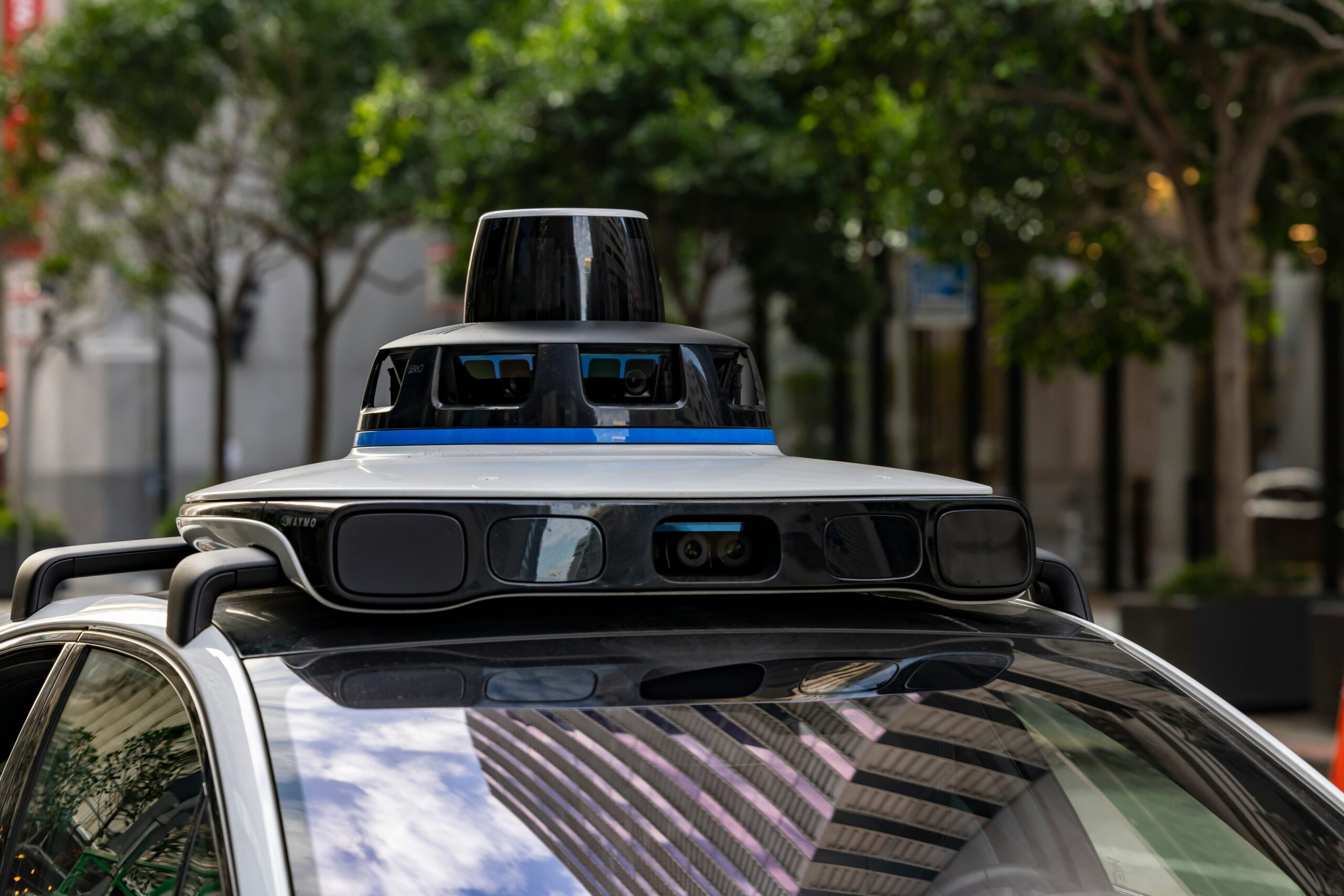
On September 4, a car with no steering wheel and no pedals picked up its first paying rider in Austin and pulled into traffic like it had done it a thousand times before. That single ride was the real Cybercab robotaxi launch, not a keynote video or a concept unveiling on a stage. Tesla’s ground-up autonomous vehicle had become an actual ride that real people could book through an app.
A Car Built With No Driver in Mind
Most robotaxis on the road today started life as ordinary cars. Waymo runs modified Jaguars. Zoox and DiDi lean on vehicles that still carry a steering wheel tucked away for emergencies. The Cybercab skips that step entirely. It seats two people, runs on electric power, and Tesla built it from the first sketch to never need a human hand on a wheel.
Tesla began dispatching the two-seater into its existing Austin robotaxi fleet on September 4 at 5 p.m., mixing it in with the Model Y sedans that already carry passengers around the city. Riders cannot request a Cybercab specifically. They simply get whichever car shows up. Texas records showed roughly 45 of the vehicles registered as of early September. That is a small number, but a real one.
Who Actually Benefits From the Cybercab Robotaxi Launch
For someone in Austin who does not own a car, or does not want to drive at night, the upside is simple: one more option shows up in the same app they already use, no new account needed. Open the ride-hailing screen, and there is now a chance a fully driverless, purpose-built vehicle handles the trip instead of a human-driven Uber or a retrofitted robotaxi.
That matters more for people who lean on rideshare because they cannot drive themselves: older adults who have given up their license, people with vision or mobility limitations, and residents who never learned to drive at all. Every company that proves a driverless car can run reliably in ordinary traffic makes that option feel less experimental and more like public infrastructure. Tesla’s existing robotaxi service already stretched its hours this summer to catch more late shifts and early commutes. The Cybercab is the next piece of that same push, not a separate experiment.
The Bigger Bet: Turning Everyday Drivers Into Robotaxi Owners
Tesla has said it eventually wants to sell Cybercabs to ordinary buyers for around $30,000, letting owners send their car out to earn fares while they are at work or asleep. Nothing about that plan is running yet, and Tesla has given no firm date. But if it happens, it changes who supplies the rides. Instead of one company owning every vehicle, thousands of individual owners could add cars to the network, which tends to mean shorter waits and lower fares over time.
That model would matter most in neighborhoods that rideshare drivers currently skip because the trips do not pay well enough. A robotaxi does not care whether a fare is five dollars or fifty. It just runs the route. Texas lawmakers cleared some of the regulatory path for that shift with the state’s new self-driving car law, which set clearer rules for how these vehicles operate on public roads and who answers for them.
The service is still small. Rides run from 6 a.m. to 10 p.m., in one city, only when the app happens to send a Cybercab instead of a Model Y. But small and working beats a stage demo every time. That is the gap between a company promising the future and a rider actually stepping into it.
Read more in New Atlas’s coverage of the Cybercab launch.