
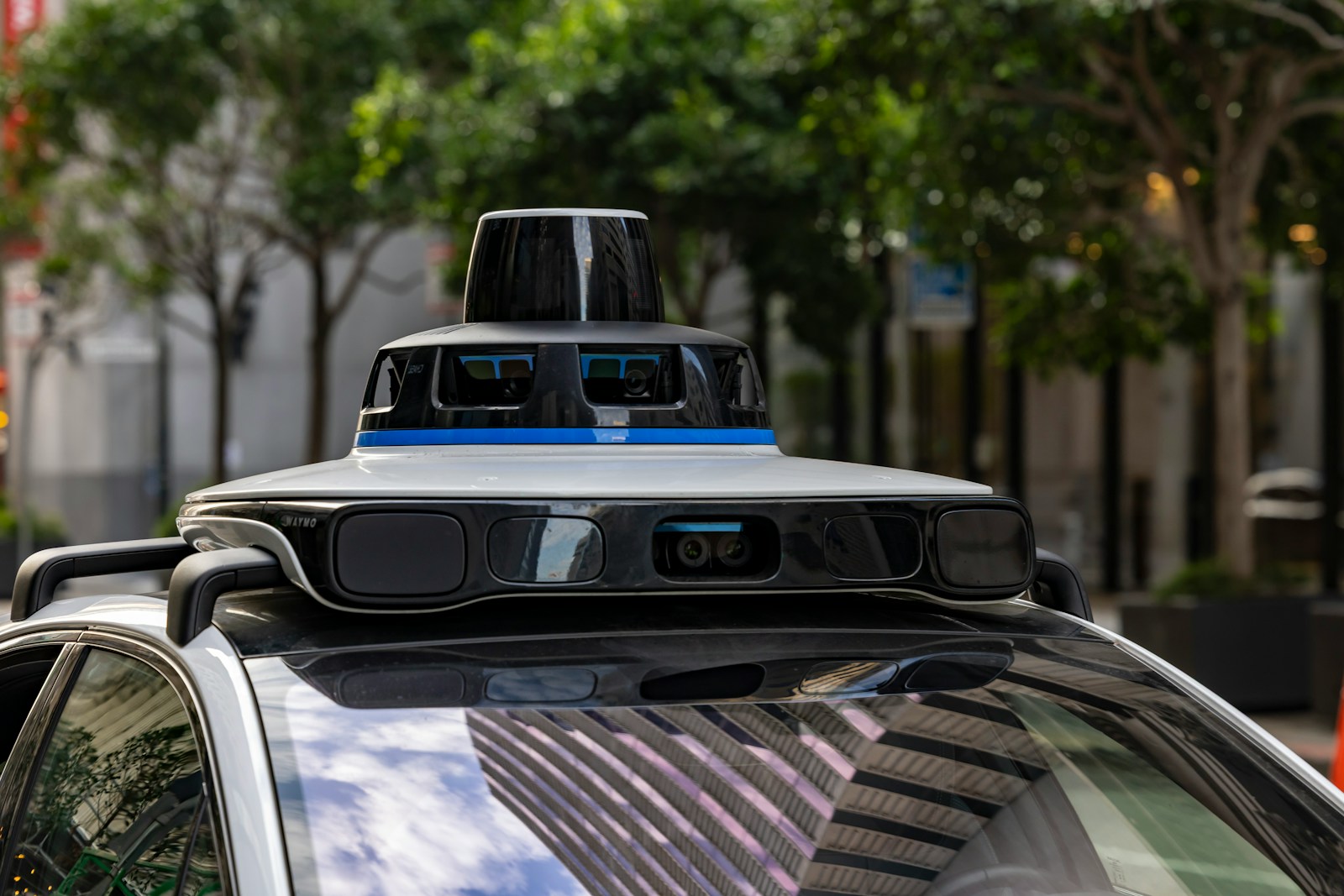
Denver commuters are getting a new way to get across town, and it won’t need a driver. The Waymo Denver robotaxi service is set to open to the public soon, covering roughly 50 square miles of downtown and nearby neighborhoods. For people who don’t drive, can’t drive, or just want a safer ride home, that matters. The Colorado Sun broke down the launch this week. The safety numbers behind it tell a bigger story than just a new app.
How the Waymo Denver Robotaxi Cuts Crashes
Waymo’s vehicles have logged more than 220 million autonomous miles. In that time, they’ve racked up 68% fewer police-reported crashes than human drivers cause. Rear-end collisions dropped 91%. Crashes serious enough to cause real injuries fell 94%.
Those aren’t just statistics. Every percentage point represents someone who didn’t get hurt. A pedestrian made it home safe. A passenger skipped a hospital visit. A family never got that late-night call from the ER.
Who Gains the Most From a Driverless Ride
Older adults who’ve given up their car keys stand to gain real freedom. Take Ruth, a 78-year-old widow in Denver who stopped driving at night two years ago after a close call at an intersection. A Waymo pickup outside her building now means she can still get to an evening dinner with friends without asking anyone for a ride. So do people with disabilities who can’t drive themselves, and anyone who never owned a car in the first place. A self-driving ride also removes one specific risk from the road: a driver who’s tired, distracted, or has had too much to drink.
Waymo has already tested this model in smaller markets. Its accessible robotaxi service in Ojai showed how driverless rides can reach people who live outside major cities and still need dependable transportation.
Denver Joins a Fast-Growing List
Denver isn’t an isolated experiment. Waymo recently opened its Houston service to every rider, dropping the waitlist that once limited access. Nevada regulators approved permits for thousands more robotaxis around Las Vegas this month.
Each new city adds competition to the ride-hailing market. More competition tends to push prices down and cut wait times. That helps anyone who depends on ride-hailing to reach work, appointments, or the grocery store.
What Riders Can Actually Expect
Riders book through the Waymo app, the same as any ride-hailing service. Average rides in 2026 cost about $19.69, slightly more than Uber or Lyft, but no tip is required. A $29.99 monthly membership called Waymo Premier cuts the cost for frequent riders.
Denver Fire has already started training with Waymo vehicles to handle emergencies safely. The cars’ sensors even stay alert while parked, watching for emergency vehicles or road debris nearby.
Denver’s robotaxi launch won’t fix every transportation problem. But it gives a commuter one less surge-priced ride to worry about. It gives a senior who no longer trusts their reflexes a safer way to get around. And it gives a family one less impaired driver to worry about on the road. That’s a real, practical step toward safer streets.