
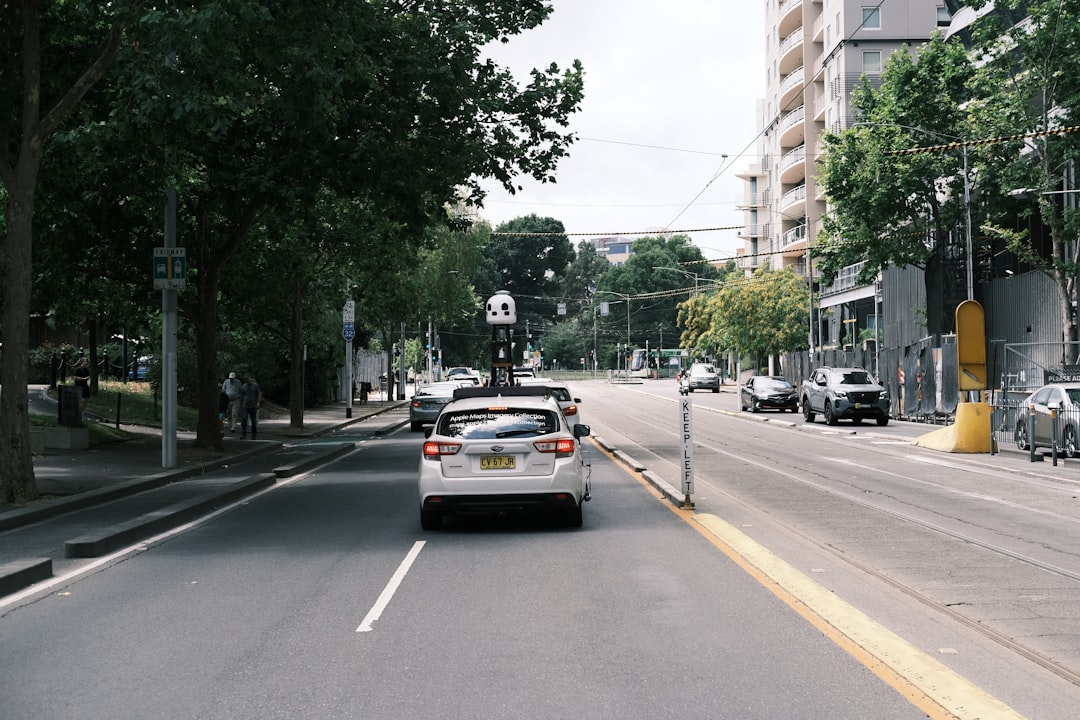
Waymo Ojai accessibility just took a real step forward. The company opened its newest robotaxi to every rider in Los Angeles, Phoenix, and San Francisco this week. Waymo built the Ojai from the ground up for passengers, not drivers. That single choice makes rides easier for people who have struggled with robotaxis before: wheelchair users, blind riders, parents with strollers, and seniors who no longer drive.
The Ojai looks like a minivan, and that shape does real work. Wide sliding doors open on both sides with no center pillar in the way. The floor sits low and flat, so riders step in rather than climb in. One early rider described the doors as more like an elevator than a car door. Braille labels on the controls help blind and low-vision passengers find their seat without asking for help.
Compare that to Waymo’s older Jaguar I-Pace fleet. The I-Pace is a sedan built for a driver first and reshaped for passengers second. Getting in means bending under a low roofline and squeezing past a narrow door. That gap matters every day for someone with a bad knee, a wheelchair, or a toddler on one hip.
Why an Accessible Robotaxi Design Changes Daily Life
Independence is the real prize here. A rider who can’t drive because of vision loss, age, or a disability depends on someone else for every errand or doctor visit, or books a paratransit van that transit agencies nationally subsidize at $25 to $30 or more per trip, often a day in advance. A robotaxi that shows up on demand, at an ordinary rideshare fare, and is genuinely easy to enter removes that daily favor. It means fewer canceled plans and more control over an ordinary Tuesday.
Families gain something too. Loading kids, car seats, and grocery bags through a wide sliding door takes less effort than wrestling with a sedan door in a tight parking lot. Older riders who gave up driving keep a real link to the pharmacy, the grocery store, and their grandkids.
Waymo Ojai Accessibility Comes With Lower Costs, Too
The Ojai is also cheaper to build. It carries 13 cameras, four lidar units, and six radar sensors, a 42% drop from the prior generation. Hardware now costs about $20,000 per vehicle. That lower cost lets Waymo grow its fleet fast: roughly 300 Ojais run today, and Waymo expects near 5,000 by the end of 2026.
More vehicles mean shorter waits, especially for riders who depend on the service because they have no other reliable way to get around. A bigger fleet also spreads out demand, so a Saturday errand run doesn’t take twice as long as a quiet Tuesday ride.
This rollout builds on a pattern. Waymo recently dropped its waitlist for Houston riders, opening the app to anyone in the city without an invitation. Disability advocates there flagged the same benefit: a ride that shows up reliably, day or night, changes what independence looks like for someone who can’t drive.
The Ojai still has gaps. Its trunk is narrower than the I-Pace’s, and it can’t take freeways in these early markets yet, so some trips run longer than needed. But the direction is clear. Denver, Las Vegas, and San Diego are next in line for the Ojai, adding to a service that’s already expanding to San Diego this fall.
Riders in Los Angeles, Phoenix, and San Francisco can open the Waymo app now and request an Ojai directly. For a parent, a senior, or a rider with a disability, that wider door might be the smallest detail that changes the most.