
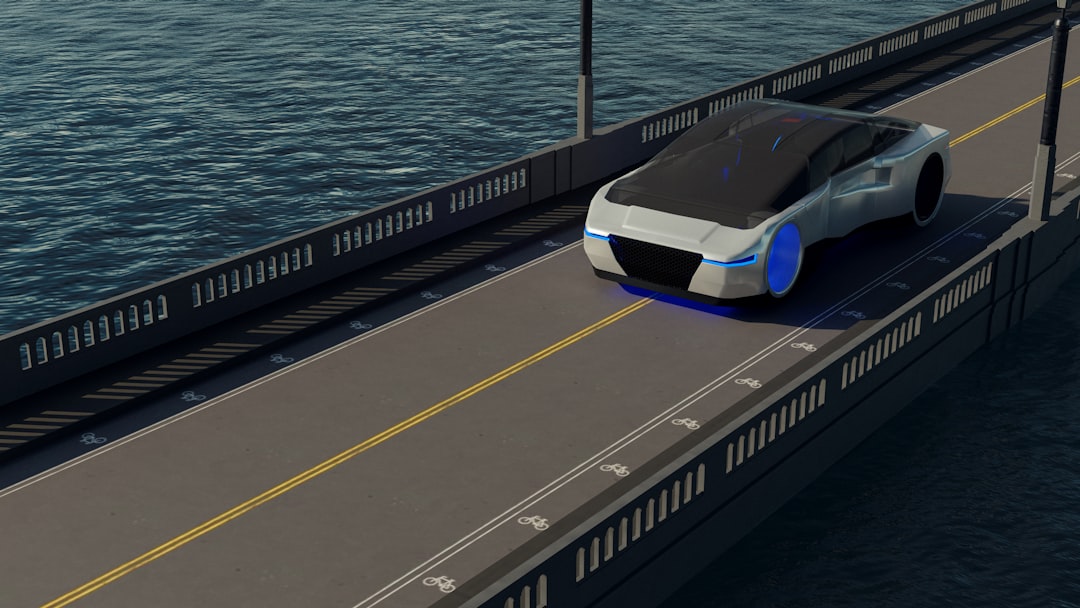
Nevada just made it easier to get a safe ride home in Las Vegas. Regulators approved the Nevada robotaxi expansion, clearing Tesla, Uber, and Waymo to run up to 8,000 driverless vehicles across the state over the next year. That means more rides, shorter waits, and safer options for the millions of tourists and residents who fill the Strip every night.
Fewer Drunk Drivers on the Road
Las Vegas draws more than 40 million visitors a year, and plenty of them are out celebrating. Consider a tourist like Dave, three drinks into a birthday weekend on the Strip, who used to face a real choice: risk the drive back to his hotel or hunt for a cab in a surge-pricing crowd. A DUI in Nevada can cost more than $24,000 once fines, bail, legal fees, and higher insurance premiums are added up, on top of a night that could have ended far worse. A late-night robotaxi gives him a way home that doesn’t involve getting behind the wheel after a few drinks. Every impaired driver a robotaxi replaces keeps pedestrians, cyclists, and other drivers a little safer.
Waymo brings a strong safety record to this rollout. The same careful, accessible approach that recently brought accessible robotaxi rides to smaller cities like Ojai is now heading to one of the busiest tourist corridors in the country.
What the Nevada Robotaxi Expansion Means for Everyday Riders
Three companies competing for riders should push prices down, not up. Nevada spread the approval over a 12-month window, so Tesla, Uber, and Waymo can scale up gradually instead of flooding the Strip overnight.
That matters most for people without a car of their own: students, retirees, and shift workers finishing a late night at a casino. Cheaper, more reliable rides mean fewer people stuck waiting for a ride that never shows up.
Smoother Traffic Through Coordinated Routing
Strip traffic is legendary, especially on weekends and during big events. Autonomous vehicles that talk to each other and route around jams can ease that gridlock over time, instead of adding one more driver guessing which lane moves fastest.
Nevada built this approval on lessons from other cities. Waymo’s Houston robotaxi rollout already showed how a phased expansion can reach an entire metro area without overwhelming local streets.
A Careful Rollout, Not a Free-for-All
Regulators didn’t hand over the keys blindly. The approval leaves room for adjustments if safety data raises concerns, and it requires each company to prove its vehicles can handle real Las Vegas conditions, including jaywalking tourists, sudden road closures, and unpredictable event traffic.
That measured pace matters. It gives the technology time to prove itself on some of the country’s most chaotic streets before it scales further. You can read the full breakdown of the Nevada Transportation Authority’s decision in TechCrunch’s original coverage.
For the people who actually live in and visit Las Vegas, the payoff is simple: safer rides home, shorter waits, and more options when the Strip gets crowded.