
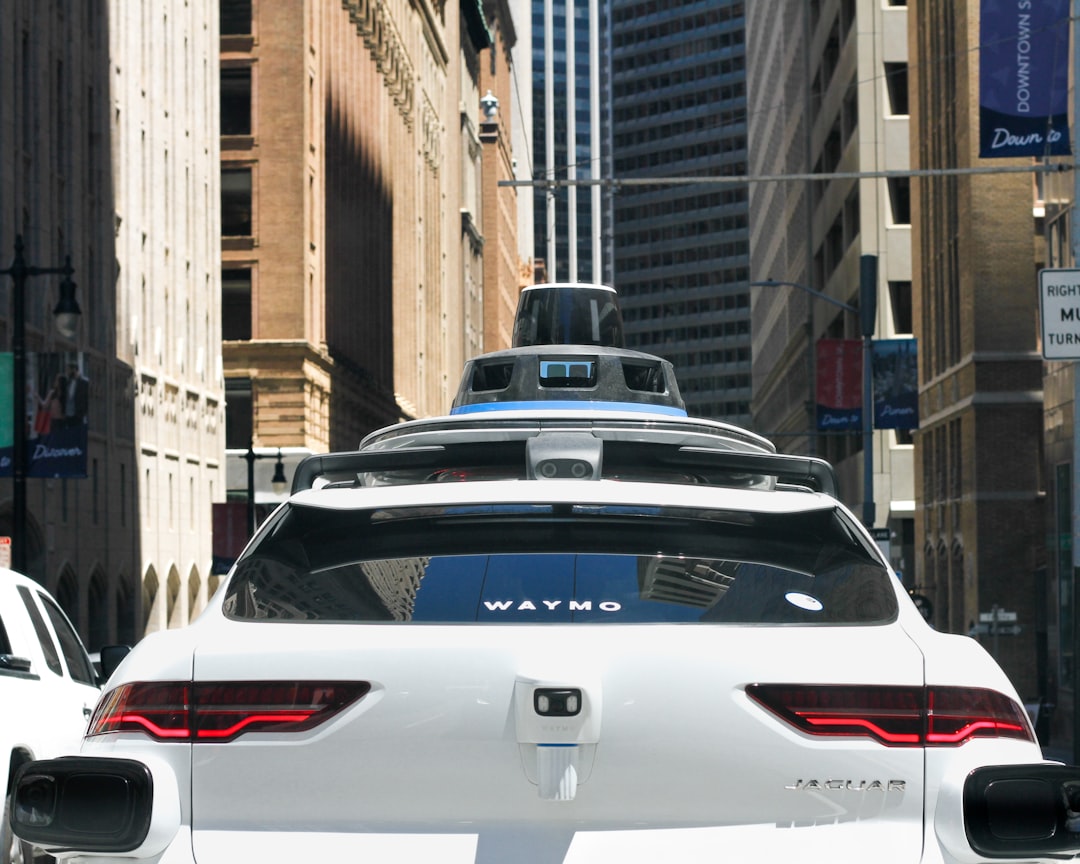
Waymo’s Houston robotaxi service is now open to everyone. The company dropped its interest-list requirement on August 21. Any Houston resident can now open the app and request a driverless ride — no invitation needed.
That’s a real shift for a city of 2.3 million people. Since Waymo launched a limited version in February, more than 100,000 people joined the waitlist. Now nobody has to wait for an invite. Commuters, weekend travelers, and anyone running errands can hail a ride like any other rideshare app.
The change matters most for people who struggle to get around Houston without a car. Raul Gallegos leads the National Federation of the Blind of Texas as first vice president. He told citybiz that wider access could provide greater independence and more reliable transportation for blind riders, including those traveling with guide dogs. A robotaxi that shows up on demand, day or night, changes daily life for someone who can’t drive. It means fewer favors asked of family. It means fewer missed appointments and more control over a daily schedule. Traditional paratransit is not cheap either: transit agencies nationally often pay $25 to $30 or more to subsidize a single door-to-door trip, and riders typically have to book a day in advance. A robotaxi that shows up on demand, at an ordinary rideshare fare, closes that gap for less money and less waiting.
Houston already tested the fleet under pressure this year. Waymo ran rides to Reliant Stadium and other venues during the city’s FIFA World Cup events. That stretch gave Waymo real data on how its cars handle crowds and unfamiliar routes. Passing that test with paying passengers helped convince the company to drop the waitlist now.
Houston Robotaxi Service Means One Fewer Barrier to Getting Around
Fewer barriers to transportation change lives in small, cumulative ways. A parent without a car can get a child to a doctor’s appointment. An older resident who gave up driving keeps a lifeline to the grocery store and pharmacy. A visitor unfamiliar with the city skips the stress of driving in unknown traffic.
Houston isn’t the only city loosening the gates. Waymo made the same move in Dallas earlier this month. The company is also expanding to San Diego this fall. Each new city adds proof that driverless rides can work outside the handful of tech hubs where the technology first launched.
Safer Streets, One Ride at a Time
None of this works if the cars aren’t safe. Waymo’s vehicles use cameras, radar, and other sensors to watch the road in every direction at once. They don’t get distracted or tired the way human drivers do. That’s the quiet promise behind every expansion: fewer crashes, fewer injuries, and safer streets for pedestrians and cyclists nearby.
The bigger trend goes beyond robotaxis. Autonomous delivery robots are reaching more US neighborhoods at the same time, cutting costs and wait times for everyday deliveries. Together, these changes point toward a transportation system built for the people who need it most, not just the people who can already drive.
For Houston, the wait is over. Open the app, and the ride is there.