
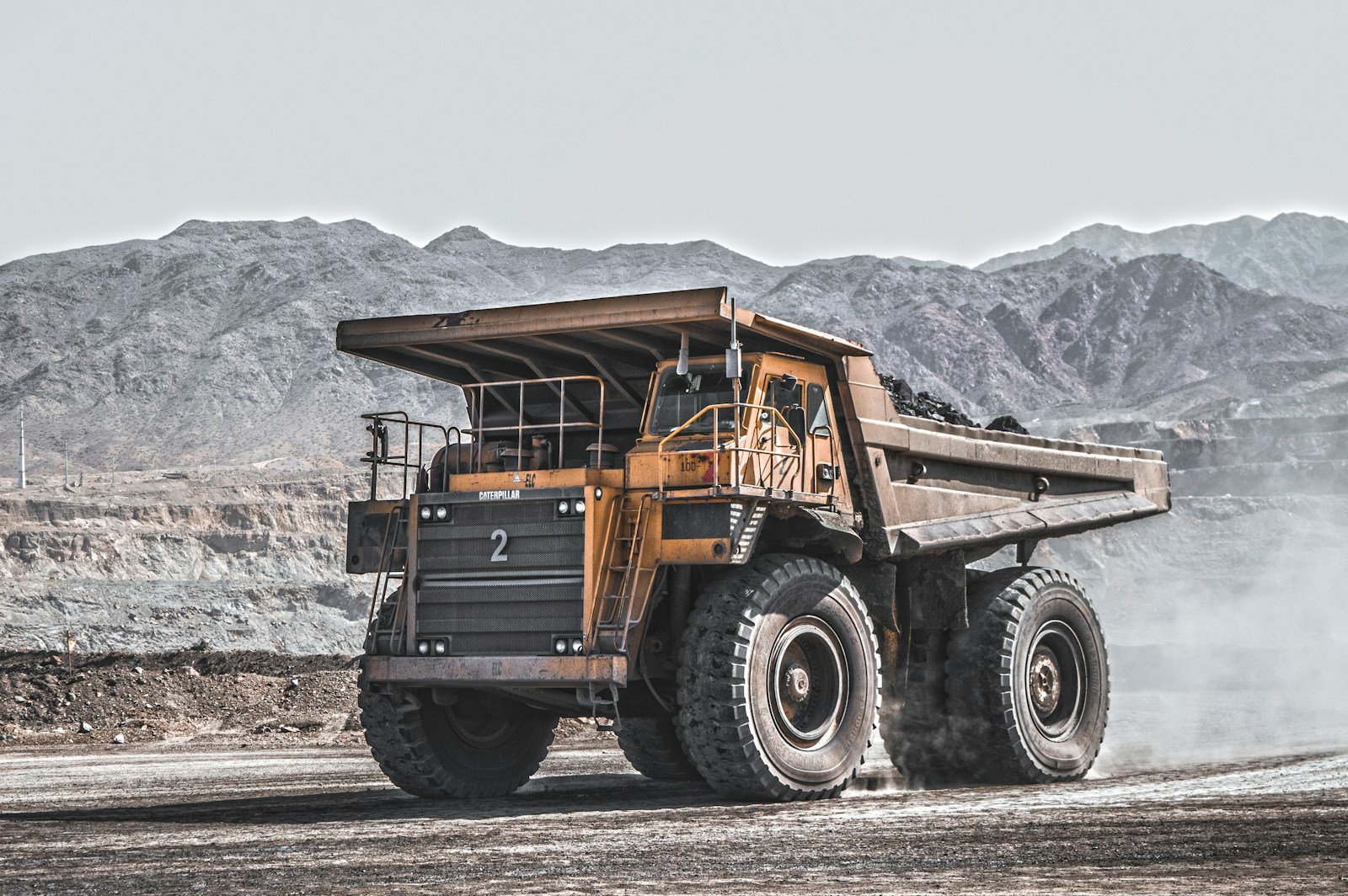
On September 24, 2026, Volvo Autonomous Solutions (V.A.S.), a business area of the Volvo Group, announced that it has hauled more than 3 million tonnes of material autonomously in mining and quarrying. The company counts this across current and completed customer sites in Europe. Ingo Stürmer, V.A.S. chief technology officer, called it “an important milestone that demonstrates the maturity of our autonomous transport solution.”
What a customer gets
The service is called Autona / earth. Volvo sells it as transport-as-a-service for confined areas such as quarries and mines. The package has five parts:
- Trucks fitted with the Volvo Virtual Driver, built at Volvo Group’s Säffle plant in Sweden.
- Site infrastructure.
- Operations.
- Uptime services.
- Fleet management.
Two sites are named in the release. At Brønnøy Kalk in Norway, autonomous hauling began in 2023 and the site reached 1 million tonnes in 2025. Nine autonomous trucks move material from a quarry to a crusher over a five-kilometer route with long tunnels and steep inclines. At Boliden Garpenberg in Sweden, autonomous trucks haul material from a quarry to a dynamic unloading area for a dam reinforcement project. The truck count isn’t stated there, and Electrek reports the 3 million tonne mark was crossed at Garpenberg earlier this summer.
The safety argument
Volvo says the benefits are optimized transport flows, continuous operation, and improved safety. Its main safety argument is that the system removes people from potentially hazardous environments.
The mining safety context is real. According to Pit & Quarry, citing unofficial MSHA figures as of January 5, 2026, 33 miners died on the job in the United States in 2025, up 27% from 26 in 2024. Powered haulage was the largest single category, with 13 of the 33 deaths. Those are US figures. Volvo’s sites are in Sweden and Norway.
Who Benefits and How
- Quarry and mine operators are the direct customers. They buy hauling as a service rather than running the trucks themselves.
- Workers could benefit if Volvo’s argument holds, since fewer people would be in hazardous areas. No injury or incident figures have been published for these trucks, so that is still a claim.
- Everyone else sees little directly. The trucks run inside quarry and mine areas, not on public roads.
What the milestone doesn’t prove
The 3 million tonne figure is company-reported and covers current and completed European sites, not only the two named ones. The release gives no safety data. It doesn’t report incident, injury, or near-miss rates for the autonomous trucks, and it makes no comparison with human-driven trucks. Electrek’s coverage makes no safety-incident statements either. MSHA’s powered haulage category covers deaths involving mobile equipment in general, not only large haul trucks with drivers, so it doesn’t measure how many deaths autonomy would prevent, and the 2025 total was unofficial at the time of the report. The truck count is public for only one site, and tonnes hauled depends on how many trucks run and for how long. These systems run in confined, managed sites, which is not the same as driving on public roads. Claims that autonomy saves lives or cuts costs across the industry aren’t shown by these sources.
Quick answers
- Do these trucks have a driver? Volvo describes them as autonomous and operating with the Volvo Virtual Driver. The release doesn’t describe control room staffing or when a person steps in.
- Where do they operate? At customer sites in Europe, including Boliden’s Garpenberg site in Sweden and Brønnøy Kalk’s quarry in Norway. The routes are inside quarry and mine areas.
- Do autonomous haul trucks make mining safer? Volvo says so, because fewer people are exposed to hazardous areas. No injury or incident figures have been published for these trucks, so the claim isn’t yet backed by data.
- What does a tonne mean here? A metric ton, 1,000 kilograms, or about 1.1 US tons. The milestone counts material hauled, not distance driven.
Sources
- Inderes (Volvo Group release): AB Volvo: Three million tonnes hauled autonomously by Volvo (Sep 24, 2026)
- Electrek: Full Self Hauling: Volvo moves 3 million tonnes of Earth, autonomously (Sep 28, 2026)
- Pit & Quarry: MSHA: Industry finishes 2025 with 33 miner fatalities (accessed Oct 13, 2026)