
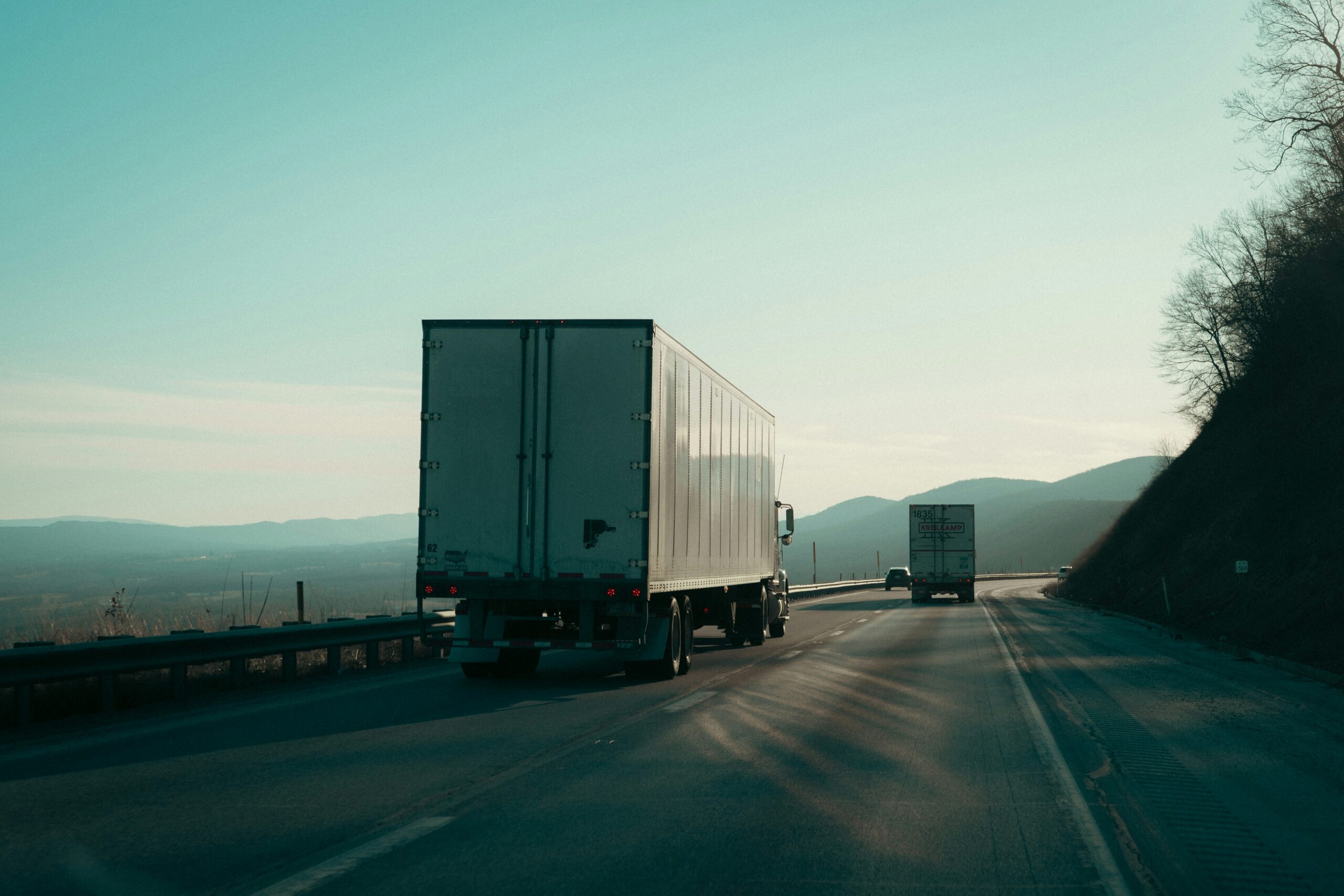
Kodiak AI’s trucks have already logged more than 3.5 million autonomous miles between Dallas and Houston. Nobody noticed, because a safety driver sat behind the wheel the whole time. That is about to change: Kodiak driverless trucking is about to lose its human backup for good.
Kodiak just named the 219-mile Interstate 45 corridor between Dallas-Fort Worth and Houston as the lane where it plans to run fully driverless, no one in the cab, by the end of this year. This is not a concept video. The company has hauled real freight on this route for IKEA for four years, logging over 1,300 loads and 750,000 miles with a safety driver on board. Now it wants that driver out.
What Kodiak Driverless Trucking Means for the Dallas-Houston Corridor
Picture Renee, a nurse who works night shifts in Katy, Texas. She finally gets a free afternoon to order a crib before her granddaughter arrives. She does not think about how that crib travels from a Dallas distribution center to a Houston store. She just wants it on time, at the price the website promised.
That boring reliability is the real benefit. Dallas and Houston together hold close to 15 million people, and much of what fills their stores rides this stretch of I-45. A steadier freight schedule, with fewer delays from driver shortages or mandatory rest stops, means fewer backorders and steadier prices on furniture, groceries, and parts.
There is a safety case too. Long-haul driving is exhausting, and fatigue remains a leading factor in large truck crashes. A system that never gets tired or fights to stay awake at 3 a.m. has a real shot at preventing the crashes that hurt everyday drivers nearby.
The Math Behind the Savings
Trucking is not short on drivers because nobody wants the work. The job is hard on families and hard on bodies. The American Trucking Associations projects the shortage could approach 175,000 drivers by decade’s end, and that gap raises shipping costs that land on price tags.
McKinsey has estimated that removing the driver could cut long-haul operating costs by 10 to 20 percent in these early stages, climbing toward 45 percent once the technology matures fully, since driver pay is one of the biggest line items in moving a load. I would not bank on that full discount showing up on your next delivery. But even the early slice of it, spread across one of the busiest freight lanes in Texas, adds up for the small retailers and families who pay for freight costs hidden in everything they buy.
“We have almost two years of experience in driverless operations. Our final driverless launch initiative has readied the same Kodiak Driver for highways,” said Kodiak CEO Don Burnette.
What Still Has to Go Right
I have watched enough “by year’s end” trucking announcements slip to stay a little skeptical. Kodiak’s readiness score sits at 93 percent, not 100, and highways ask more of a system than the fenced-in oil fields where 35 of its Permian Basin trucks already run fully driverless. Trucking Dive’s reporting notes Kodiak is still running final validation with safety observers aboard, exactly where a company handling an 80,000-pound truck should stay cautious.
Still, Kodiak picked its best-proven lane, not its flashiest one. We covered Kodiak passing a major safety milestone earlier this month, and the pattern holds: steady, mileage-by-mileage progress over splashy demos.
If you live anywhere along I-45 between Dallas and Houston, watch for these trucks before the year ends. The real test will not be whether one shows up without a driver. It will be whether you notice at all, because the freight just keeps arriving on time.