
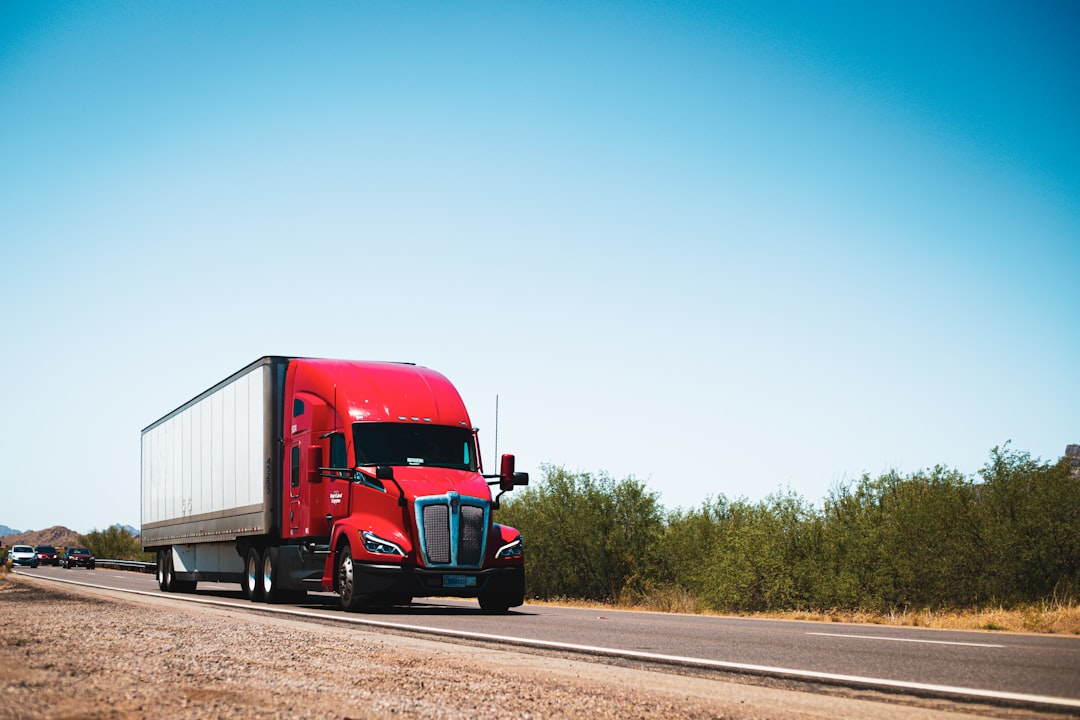
Aurora driverless trucks are about to log a lot more miles. The self-driving trucking company plans at least 200 fully driverless big rigs on public highways by the end of 2026. Every one of those trucks already has a paying customer lined up. That milestone matters beyond Aurora’s balance sheet. It changes who faces the riskiest hours on America’s highways, and what everyday people pay for the goods those trucks carry.
Fewer Drivers Face the Riskiest Hours
Start with the drivers themselves. Long-haul trucking pushes people to drive through the night and grind out ten-hour shifts to hit a delivery window. Driver fatigue causes a large share of serious truck crashes every year. Aurora’s trucks don’t get drowsy. They scan the road with cameras, radar, and lidar every second. The company says the trucks slow down or pull over the moment conditions turn risky, like snow or heavy fog. That means fewer drivers stuck on a dangerous overnight haul, and fewer families waiting up and worrying about a loved one behind the wheel.
How Aurora’s Driverless Trucks Could Lower What You Pay
Then there’s everyone waiting on a package, a grocery order, or a restocked store shelf. Aurora’s trucks can run more than 20 hours a day. They skip the rest breaks federal law requires for human drivers. The company estimates fuel savings between 10% and 32%, plus lower insurance costs. Trucking giant Hirschbach already committed to buying 500 Aurora-equipped trucks for 2027 and 2028. That bet assumes the savings flow down the supply chain. For a family in Texas or Oklahoma, that could mean freight moves faster and shipping costs climb more slowly.
Easing the Trucker Shortage
The trucking industry has struggled for years to find enough drivers willing to take long, lonely routes. Aurora now runs 10 approved driverless lanes across the Sun Belt. Those include Fort Worth to El Paso and Dallas to Oklahoma City. The company plans to reach Memphis, Atlanta, and the Texas Triangle next. Driverless trucks let retailers and manufacturers keep freight moving even when they can’t hire enough drivers. That keeps store shelves stocked and cuts the delays that ripple out to shoppers.
Rural Towns and Small Businesses Feel It Too
Rural communities often depend on a single trucking route for fuel, food, and medical supplies. When a driver shortage slows that route, the whole town feels it. Reliable, round-the-clock driverless hauls make that supply chain less fragile. Small businesses that rely on freight also gain from steadier delivery windows. A driverless truck never calls in sick or runs out of legal driving hours halfway through a route.
Aurora also plans to handle light snow by the end of the year, according to a report from Truck News. That would widen the conditions its trucks can safely handle on their own.
Aurora isn’t the only company reshaping how goods move without a driver behind the wheel. Uber and Zipline’s drone delivery network already speeds up everyday errands in several cities. Autonomous delivery robots now drop off groceries and packages in more US neighborhoods too. Together, these projects point toward a supply chain that runs safer and faster, with fewer people stuck doing the most exhausting and dangerous parts of the job.
None of this makes trucking risk-free overnight. Aurora still has to prove itself in bad weather and busy city traffic, and regulators are watching closely. But every driverless mile logged without an incident builds the case for automation. It can take the most dangerous, exhausting driving off human shoulders, and let people spend a little less on the goods that truck brings to their door.