
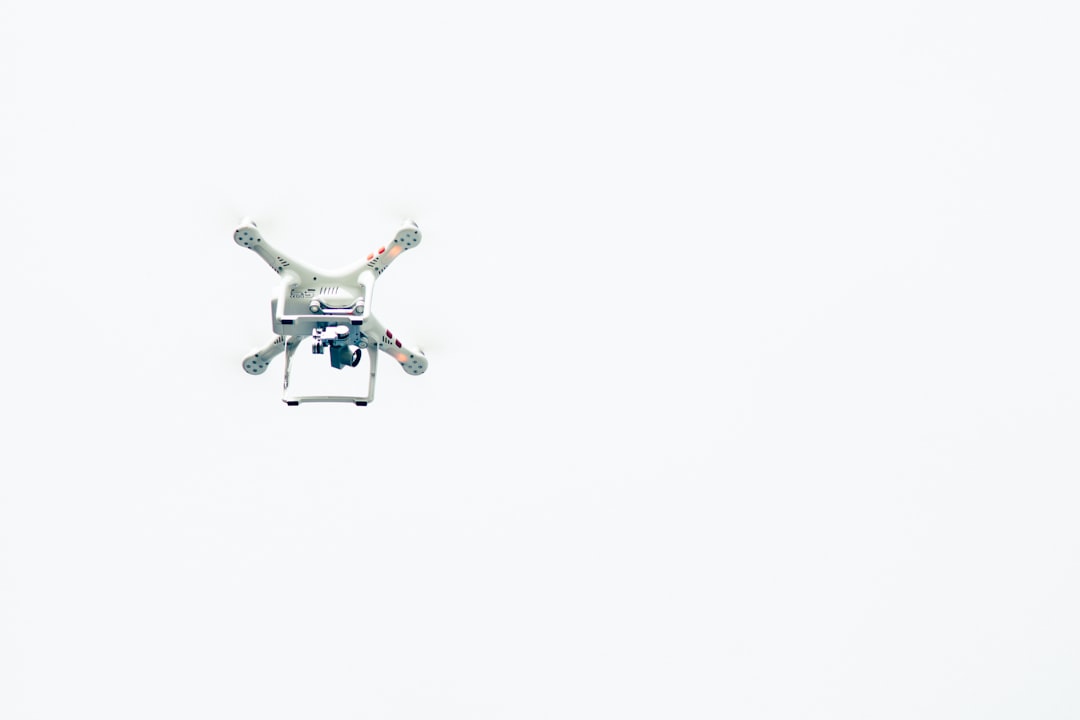
Ordering dinner, a forgotten allergy pill, or a last-minute gift could soon take minutes instead of an hour. Uber and Zipline just launched a nationwide Uber Zipline drone delivery partnership that swaps delivery drivers for small, quiet autonomous aircraft. The two companies want to reach one million drone deliveries a day by 2029. Flights start in Zipline’s existing markets this year, then expand to dozens of US cities. For busy parents, older adults, and small shop owners, that promise adds up to real time saved.
How the Uber Zipline Drone Delivery Deal Works
Zipline’s drones fly orders straight to a yard or driveway in five to ten minutes. The company already flies more than 135 million autonomous miles worldwide and completes a delivery roughly every 20 seconds somewhere on Earth. Uber Eats will plug that speed into its existing app. Customers order the same way they always have. They just wait far less time for the doorbell to ring. You can read the full Uber and Zipline announcement for the companies’ own numbers and timeline.
Picture Angela, a retail worker whose shift does not let her duck out when her son forgets his inhaler at home. Instead of a 45-minute round trip after her shift ends, a drone could have it waiting on her porch in under ten minutes. Parents juggling school pickups gain that same fast way to get forgotten lunches or medicine home without leaving work early. Older adults and people who don’t drive get quicker access to groceries and prescriptions. A drone needs no driver’s license and no car in the driveway. Small restaurants and shops reach customers who live too far for a quick walk-in visit, without hiring extra delivery staff. Uber says hundreds of thousands of small businesses could plug into the network.
Fewer Cars on the Road, More Time Saved
Every order that flies instead of drives is one less car circling the block for a parking spot. Uber and Zipline point to lower ground traffic and fewer emissions as a direct result of moving short trips into the air. That matters most in dense neighborhoods, where delivery vehicles already crowd narrow streets and slow down buses, bikes, and pedestrians.
The idea builds on lessons from ground-based delivery. Autonomous delivery robots already roll through more US neighborhoods, handling short last-mile trips without a driver behind the wheel. Drones extend that same idea into the sky, covering longer distances in a fraction of the time.
What Shoppers Can Expect Next
Uber hasn’t named every launch city yet, but the first flights begin before the end of 2026. Customers won’t need a new app or account. Drone delivery will simply show up as a faster option inside Uber Eats when it’s available nearby.
The biggest winners are the people who most need speed and reliability. Think parents on tight schedules, seniors without easy transportation, and small business owners competing with bigger chains. If Uber and Zipline hit their target, a large share of everyday errands could shift from the road to the sky within a few years. That means less traffic, cleaner air, and a shorter wait for the things people need most.