
Zero. That’s how many paying passengers have ridden in Uber’s robotaxi. This week, Bay Area robotaxi testing crossed a real line: for the first time, nobody sat behind the wheel either.
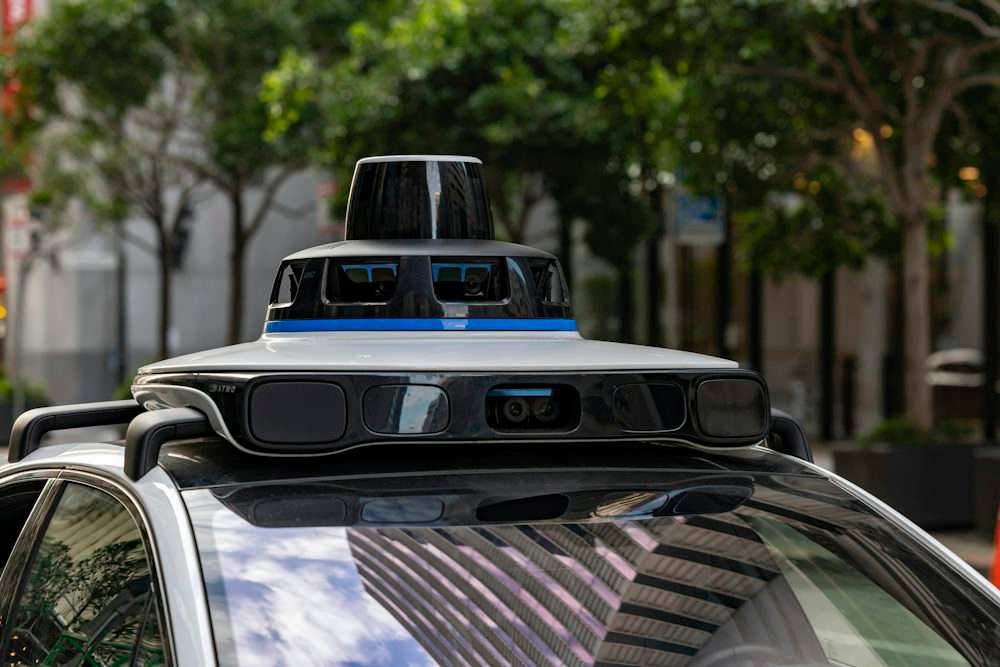
Uber and self-driving company Nuro confirmed to TechCrunch on November 24, 2026, that they had started driverless testing of Lucid Gravity SUVs on public streets in Santa Clara and San Mateo counties, in California’s San Francisco Bay Area. A human safety operator had ridden along on every test trip until now. Uber says the next step is to let its own employees request driverless rides, as a final check before launching a commercial robotaxi service it’s targeting for the first quarter of 2027. That target has already slipped once: Lucid told investors in May it expected commercial operations by late 2026.
What the New Permit Actually Allows
The driverless testing permit comes from the California Department of Motor Vehicles, the state agency that licenses every stage of self-driving car testing before a company can carry passengers. The DMV’s own permit holder listing, updated November 5, 2026, says Nuro’s driverless testing permit now covers both the Lucid Gravity and Nuro’s R3 delivery robot. It applies within Santa Clara and San Mateo counties, at any hour of day or night. The permit allows driving on dry or wet pavement, including light rain and light to moderate fog, at speeds up to 45 miles per hour.
That’s a real expansion of what Nuro could do before. The company has held some form of driverless permit in California for six years, but TechCrunch reported in May that it had only ever applied it to a low speed delivery robot. Letting the Lucid Gravity test without a safety driver is new, and it only became possible after the DMV modified Nuro’s permit specifically to add that vehicle.
Where Bay Area Robotaxi Testing Stands Right Now
Uber and Nuro aren’t the only company running self-driving cars around Santa Clara and San Mateo counties. Here’s how the three main operators compare as of this month, based on the DMV’s own permit records and recent reporting:
| Operator | Permit Status | Who Can Ride Today |
|---|---|---|
| Waymo | Driverless testing and deployment permits | Any member of the public, through the Waymo app |
| Zoox | Driverless testing and deployment permits | Riders in its Zoox Explorers early access program |
| Uber / Nuro / Lucid | Driverless testing permit only, for Lucid Gravity and the R3 delivery robot | Nobody yet, not even Uber employees |
Source: California DMV Autonomous Vehicle Permit Holders listing, updated November 5, 2026.
In other words, Waymo riders in the Bay Area have been able to book a driverless trip and earn transit credit for months already. Uber’s robotaxi is still a step behind both existing operators, with no public or even employee rides yet.
The Road Still Ahead Before Anyone Can Book a Ride
A driverless testing permit lets Nuro remove the safety driver, but it doesn’t let Uber charge anyone for a ride. Before that can happen, TechCrunch reported in May, Nuro still needs a separate driverless ride hailing permit from the California Public Utilities Commission, plus an expanded DMV deployment permit that actually covers passenger service in the Lucid Gravity. Both approvals are still pending as of this report.
There’s real money behind getting there. Uber has invested $500 million in Lucid and nearly $500 million in Nuro, according to TechCrunch. The company has also committed to buying at least 35,000 Lucid-built vehicles over six years, split between Gravity SUVs and an upcoming midsize EV platform. Nuro’s self-driving system runs on Nvidia’s Drive AGX Thor computer. Uber will own and operate the finished robotaxi fleet itself and has focused its own engineering work on the in-cabin rider experience, separate from Nuro’s driving software.
The companies’ combined engineering fleet stood at around 100 vehicles earlier this year, TechCrunch reported, and it’s growing as Lucid starts building production versions of the robotaxi at its factory in Arizona. Uber and Nuro are also testing Lucid Gravity vehicles with a human safety operator in Houston, a step behind the Bay Area’s driverless phase.
What’s Still Unconfirmed
- No price: Uber hasn’t said what a ride will cost once the service opens, or whether it will match the fares of its existing UberX trips.
- No fixed launch date: the first quarter of 2027 is a target, not a confirmed date, and an earlier “late 2026” target already came and went.
- No independent safety data: neither Uber nor Nuro has published outside crash or incident data for the Lucid Gravity robotaxi specifically.
- Two permits still pending: the CPUC ride hailing permit and the DMV’s passenger deployment permit haven’t been granted yet.
Why It Matters to You
If you live in the Bay Area, this doesn’t change your commute today. You can’t request one of these robotaxis yet, whether you work for Uber or not. What it does mean is that Waymo and Zoox are about to get real competition from a third operator with deep pockets and a purpose-built premium vehicle. That tends to be good news for riders over time: more operators usually means more coverage, more vehicles on the road, and pressure on each company to keep its service reliable. None of that shows up in your app this week. It shows up, if it shows up, sometime after Uber clears its last two state permits.
Frequently Asked Questions
Can I ride in one of these robotaxis right now?
No. Testing is driverless, but no passengers, including Uber employees, have been invited yet. Uber says employee rides are the next step before any public launch.
What’s the difference between a testing permit and a deployment permit?
A driverless testing permit lets a company remove the safety driver to gather data, but it can’t carry paying passengers under that permit alone. Before a company can legally charge the public for driverless rides, it needs a deployment permit from the DMV and a separate ride hailing permit from the California Public Utilities Commission.
Sources
- TechCrunch: Uber and Nuro begin driverless testing of Lucid robotaxis ahead of 2027 launch (Nov. 24, 2026)
- California DMV: Autonomous Vehicle Permit Holders (updated Nov. 5, 2026)
- TechCrunch: Nuro receives driverless testing permit ahead of Uber robotaxi service launch (May 5, 2026)