
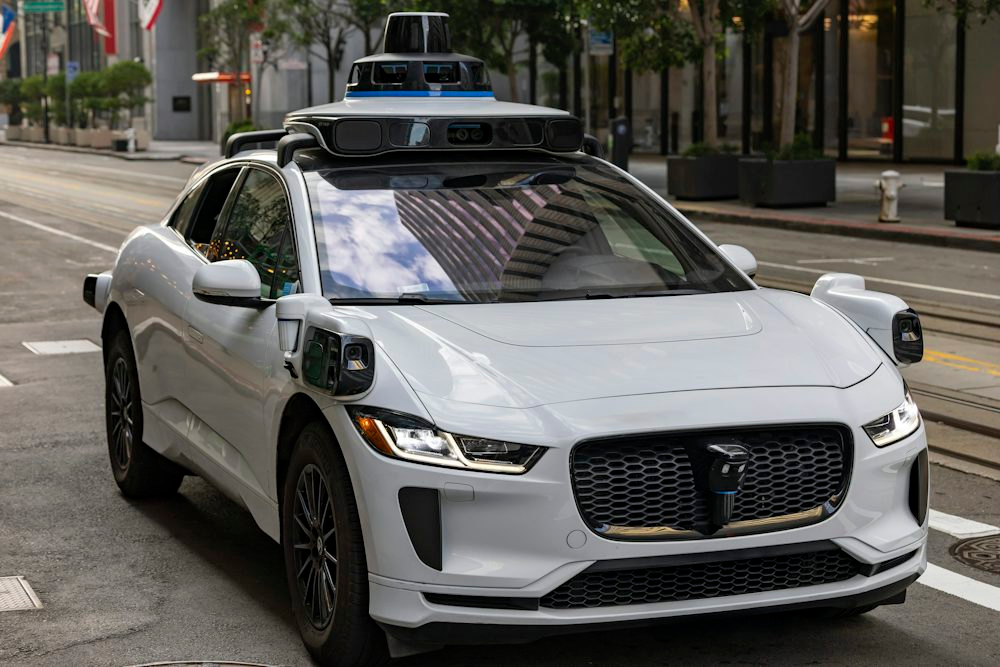
“Today marks an exciting milestone in our partnership with Zoox, and another step toward making autonomous transportation part of everyday life,” Samarth Kejriwal, Uber’s global head of autonomous mobility, said this week. He was describing a change that’s easy to miss if you’re not watching for it. Starting Monday, November 16, 2026, Las Vegas riders who open the Uber app may get paired with a Zoox robotaxi, a boxy, steering-wheel-free vehicle, instead of a regular car.
It’s the first time Amazon-owned Zoox has let a third-party platform book its robotaxis, according to a joint announcement from Uber and Zoox. TechCrunch and several Las Vegas television stations independently confirmed the launch went live that morning.
What the Zoox-Uber Las Vegas Deal Actually Changes
Until this week, riding in a Zoox meant downloading the Zoox app first. Now you don’t have to. Here’s what changed, according to the companies’ announcement:
Launch date: Monday, November 16, 2026.
Where it runs: Resorts and venues on and around the Strip, Downtown Las Vegas, and the Arts District.
Eligible ride types: UberX, Uber Comfort, Uber Electric, Uber Comfort Electric, and Wait & Save.
Cost: No extra charge. A Zoox match costs whatever your requested ride type normally costs.
How to improve your odds: Turn on autonomous rides under “Ride Preferences” in the Uber app’s settings.
What you still can’t do: Pick a Zoox directly from the ride menu. You request a normal ride and might get matched with one.
Why Uber Picked Las Vegas, and Why MGM Resorts Is Along for the Ride
Las Vegas wasn’t a random starting point. Zoox began offering paid rides through its own app on and around the Strip over a year ago, after an earlier stretch of free rides. By the time Uber came calling, Zoox already had a known service area, a year-plus of operating history, and local name recognition to build on.
Alongside the Uber launch, the two companies announced a separate multi-year deal with MGM Resorts International, naming Uber the official rideshare partner and Zoox the official robotaxi partner for MGM’s Las Vegas properties. The companies say that means easier pickups and drop-offs, clearer signage to help riders find a waiting robotaxi inside the Strip’s sprawling resort complexes, and added in-app guidance. None of the three companies has published a start date for those specific improvements.
Uber frames the Zoox deal as one piece of a much larger bet. The company has struck autonomous-vehicle partnerships with more than 30 companies working on sidewalk delivery robots, self-driving cars, robotaxis and drones, according to TechCrunch’s running tracker of those deals, though not every partnership has turned into an actual service yet. Las Vegas already hosts Uber-booked driverless rides from Hyundai-backed Motional, and Uber CEO Dara Khosrowshahi said on the company’s Q3 earnings call this month that the city will become the first in the US where riders can reach two fully driverless partners through one app.
Where the Experience Still Falls Short
A few things keep this from being a finished product. You still can’t choose a Zoox on purpose, and Uber told TechCrunch it won’t handle maintenance or other support for Zoox vehicles in Las Vegas, unlike its arrangements with other self-driving partners. Uber and Zoox also describe the rollout as starting with “limited fleets” that will expand “over the coming months,” so riders in the covered neighborhoods won’t get matched with a Zoox every time, especially at first.
Zoox’s safety record is also still thin next to the industry leader. As of this past August, Zoox had logged around 3 million autonomous miles, while Waymo had already passed 100 million more than a year earlier, according to reporting that cited Zoox’s own published safety framework. Federal regulators had counted 123 collisions involving Zoox vehicles operating autonomously as of this past March, and the company issued four software recalls in roughly the 13 months before that August report, most recently after an empty robotaxi drove into a smoke-obscured fire scene in the Las Vegas area in June. Nobody was hurt, and Zoox called it the only event of its kind. None of that means a Zoox ride is unsafe. It means there isn’t yet enough driving history to say how its safety record compares with a human driver’s, the way there increasingly is for Waymo.
Nevada’s permit rules add one more wrinkle. A separate Uber-held state permit caps the combined Motional and Zoox robotaxi fleet at 1,000 vehicles in Clark County during its first year, while Zoox’s own standalone Nevada permit lost its 100-vehicle ceiling this past September. In practice, how many Zoox cars riders actually see on the street depends on how fast both companies choose to grow their fleets, not just on what the permits allow.
Why It Matters to You
If you’re visiting Las Vegas without a rental car, or you live there and don’t own one, this doesn’t open a brand-new service so much as it removes a step: you can now land a driverless ride without finding and installing a second app first. Uber and Zoox specifically point to riders “trying autonomous transportation for the very first time” as who this is for. The ride costs the same as a normal Uber trip, and Zoox’s robotaxi runs on an all-electric platform, so a Zoox match produces no tailpipe emissions on that leg of the trip. The honest caveat: you can’t request one on purpose yet, the fleet is still small, and neither company is promising a short wait. This is an easier way to try an autonomous ride, not yet a guaranteed one.
Sources
- Business Wire (via Uber and Zoox): Zoox Is Now Available on Uber in Las Vegas (Nov. 16, 2026)
- TechCrunch: Zoox robotaxis are now on the Uber app in Las Vegas (Nov. 16, 2026)
- FOX5 Las Vegas: Zoox robotaxis available on Uber app in Las Vegas (Nov. 16, 2026)
- The Next Web: Zoox has shown its safety workings, three weeks after recalling every robotaxi it owns (Aug. 14, 2026)