
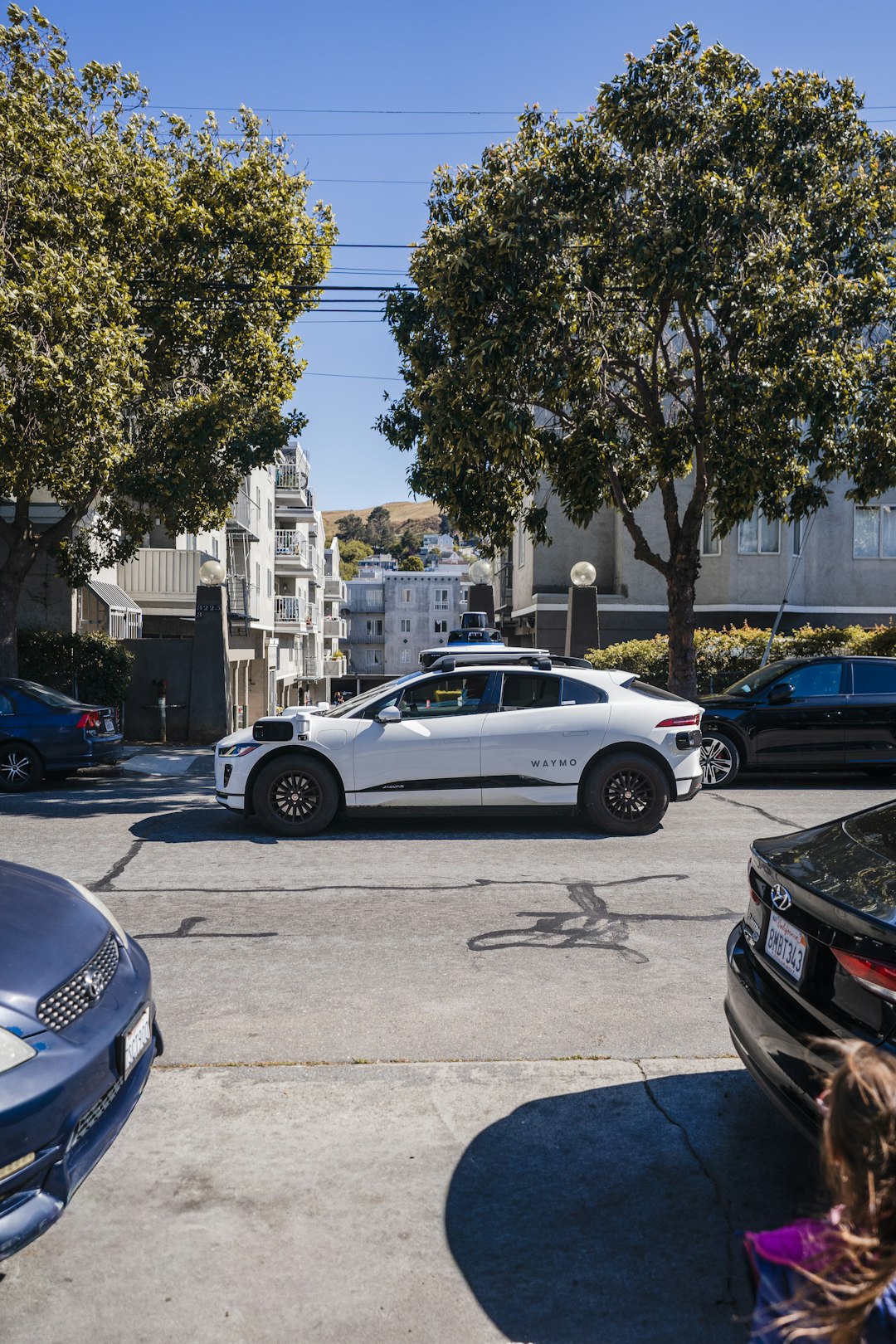
Texas just gave regular drivers a real safety net as self-driving cars spread across the state. A new Texas self-driving car law lets state regulators pull an autonomous vehicle company’s operating permit the moment its cars put people at risk. That single change matters for anyone who shares a road, a crosswalk, or a parking lot with a robotaxi.
Under Senate Bill 2807, the Texas Department of Motor Vehicles now regulates every driverless car company in the state. It can suspend or revoke a company’s permit if its vehicles endanger public safety. Before this law, there was no fast, clear way to stop an unsafe operator. Now there is. That protects everyday commuters, cyclists, and pedestrians who never signed up to be part of a company’s testing program.
What the Texas Self-Driving Car Law Changes for Everyday Texans
Families driving to work, seniors crossing the street, and kids walking to school all benefit from a state agency that can act quickly. The DMV can investigate complaints, demand fixes, and cut off a company’s ability to operate if problems keep happening. Drivers no longer have to hope a company polices itself.
The early numbers offer some reassurance. Regulators received 42 complaints in the first three months under the new rules. Officials say most involved cars being overly cautious, not dangerous. That’s a good sign, but the law isn’t just about today’s safety record. It’s about having a real backstop the next time something goes wrong.
A Bigger Goal: Fewer Deaths on Texas Roads
Texas averages more than 4,000 traffic deaths a year, one of the highest tolls of any state. Lawmakers behind the new oversight framework see well-regulated self-driving technology as part of the long-term fix. They don’t see it as a threat to add to the problem. That view lines up with Waymo’s own safety data from elsewhere in the country. Autonomous vehicles built and monitored correctly cause far fewer crashes and injuries than human drivers do.
Accountability is what turns that promise into something Texans can actually trust. More companies keep expanding driverless service into cities like Austin, Dallas, and Houston. This law gives residents a place to file a complaint, and a state agency with the power to respond. Nevada built similar protection into its own robotaxi expansion rules, pairing growth with oversight instead of leaving safety to chance.
Why This Matters for Daily Life
Most people never read state transportation bills, but they feel the results. A parent walking a stroller across a busy intersection benefits from an enforcement system that removes dangerous vehicles fast. A commuter stuck behind a confused robotaxi at rush hour benefits from a regulator who can demand better performance. And a rider who chooses a self-driving car over driving tired or distracted benefits too. A state now watches the whole system, not just one company’s marketing claims. That oversight has a dollar value too: NHTSA estimates traffic crashes cost the country $340 billion a year, or roughly $1,035 for every person, and a regulator who can pull a malfunctioning robotaxi off the road before it causes one more crash is chipping away at that bill.
Texas isn’t slowing down autonomous vehicle growth. It’s making sure that growth comes with guardrails everyday people can count on, according to details first reported by Community Impact.