
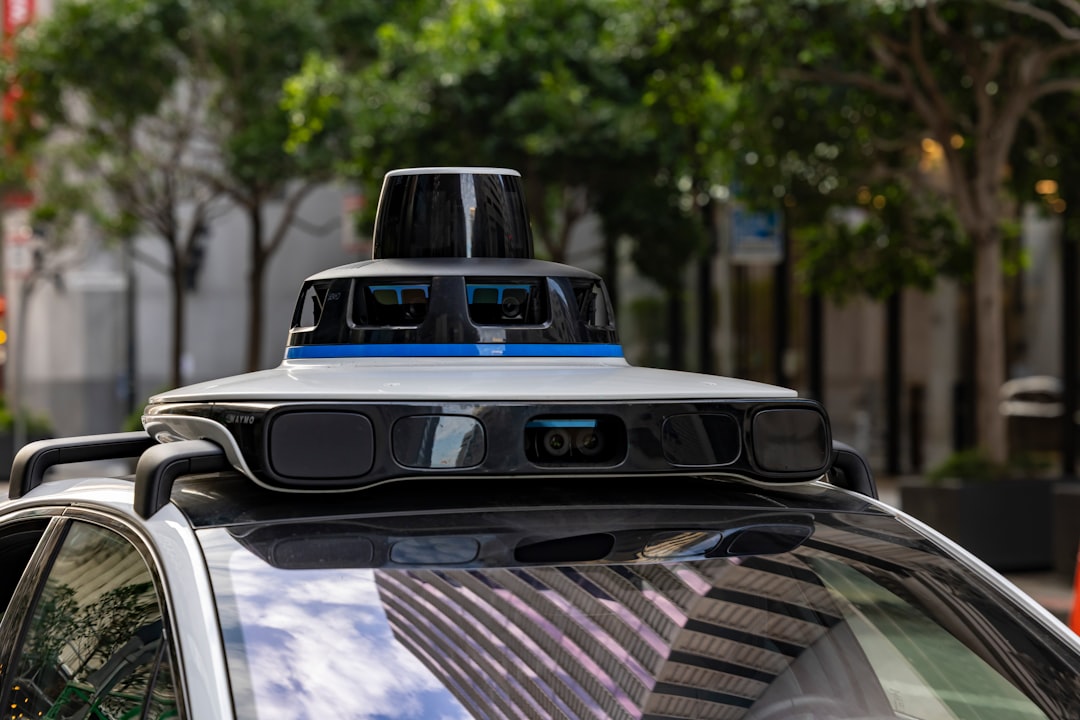
Riders climb into a self-driving car every day now without a second thought. New Waymo safety data explains why that shift feels normal. It also matters to anyone who shares a street with one of these cars.
Waymo just published results from more than 220 million fully driverless miles. The numbers offer something rare in transportation: real, measured proof that swapping a human driver for self-driving software saves lives.
Waymo Safety Data Shows Fewer Crashes for Everyone
The company compared its driverless rides against typical human driving on the same streets. Crashes that cause serious injuries dropped 94%. Crashes involving any injury fell 82%. Airbags deployed 82% less often too.
Those numbers don’t just protect the passenger in the back seat. They protect the people around the car.
Pedestrians gained the most. Injury crashes involving people on foot fell 93%. Cyclists saw injury crashes drop 84%. Motorcyclists saw a nearly identical decline. Think of a parent walking a child to school, a delivery cyclist crossing downtown, or a commuter waiting at a crosswalk. Each one faces a safer street now, because fewer of the cars around them carry a distracted or tired driver.
What the Numbers Mean for Daily Commutes
Most people never read a safety report. They just want to get to work, pick up their kids, or reach a doctor’s appointment without becoming a statistic. This data tells them something simple: their odds keep improving. Each time a machine takes the wheel, it removes a driver who might get drowsy, distracted, or angry in traffic.
Independent research from Swiss Re backs this up. Over millions of miles, Waymo rides produced zero bodily injury claims. Property damage claims dropped 76% compared with human drivers. Fewer claims mean fewer emergency room visits, fewer missed workdays, and less financial strain on families after a crash.
Older adults and people with disabilities stand to gain the most as the technology spreads. Every drop in serious crashes builds more trust. A grandparent can take a robotaxi to the pharmacy. A wheelchair user can ride to a job interview with less worry. Waymo’s Munich expansion already leans on this safety record. It brings driverless rides to blind residents and daily commuters in a new city. Zoox’s robotaxi service in Las Vegas shares that same goal: getting people home safely after dark.
The Road Ahead
Waymo laid out the full breakdown, plus ten lessons its engineers learned building the system, in a blog post this week. The company points to overlapping sensors, constant checks on every driving decision, and years of simulation testing as the reasons behind the improvement.
None of that engineering matters to someone crossing the street. What matters is simpler: pedestrians who don’t get hit, airbags that don’t deploy, and families who make it home the way they left. That progress adds up quietly, one mile at a time, until an entire city feels a little bit safer.