
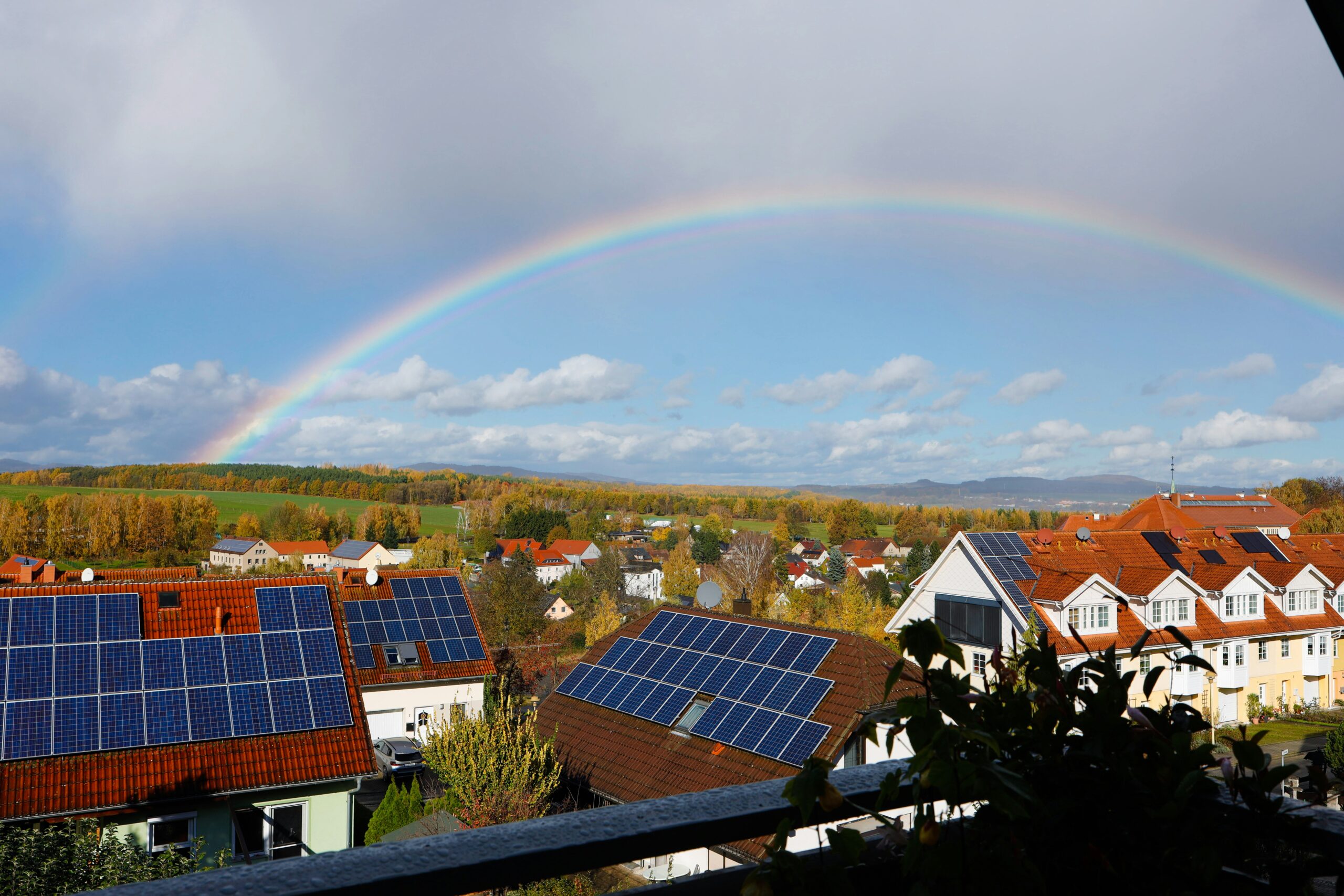
One in three American homes could now run on solar power alone, and the industry got there faster than almost anyone predicted a year ago. A new market report from the Solar Energy Industries Association and Wood Mackenzie found that U.S. solar capacity crossed a striking threshold in the second quarter of 2026: installed solar can now generate enough electricity to power more than 50 million households nationwide. That is a solar power milestone worth pausing on, because it changes something real for the people paying electric bills every month, not just the analysts tracking gigawatts.
What the Solar Power Milestone Means for Your Electric Bill
Developers connected 11.4 gigawatts of new solar capacity to the grid in just three months, a 45% jump over the same period last year. Add battery storage to the mix, and solar plus storage made up 70% of all new electricity generation capacity installed nationwide during the first half of 2026. That combination matters because, once built, solar panels produce electricity at close to zero ongoing fuel cost. Utilities that lean on cheap solar during peak demand, instead of firing up expensive gas plants, can pass those savings on to customers as lower or more stable rates. Homeowners are already feeling that shift locally. Programs like Harris County’s new solar savings initiative project savings of up to $1,000 a year for participating households, and similar programs are spreading through counties, school districts, and utility territories across the country.
Solar Power Is Showing Up in Unexpected Places
Here’s the part that surprised even industry veterans: the fastest growth didn’t cluster on the coasts or in cities known for climate policy. Roughly seven in ten of the new solar projects built in the first half of 2026 went up in states across the middle of the country, on land ranging from wide-open farmland to former coal territory. For rural communities, that shift brings new lease income for landowners, new tax revenue for county governments, and, increasingly, direct savings for the electric co-ops and municipal utilities that serve small towns. Affordable solar power is no longer a coastal story. It’s becoming ordinary infrastructure, built wherever the land and the economics line up.
Jobs, Cleaner Air, and What Comes Next
Every solar panel that goes up needs someone to design it, manufacture its parts, ship it, and bolt it into place. That work has fueled steady hiring in construction, electrical, and manufacturing trades in states that don’t always show up on renewable energy scoreboards. Each gigawatt of new solar generation is also a gigawatt of coal or gas that utilities don’t have to burn, which means fewer tons of carbon dioxide and less of the fine particulate pollution linked to asthma and heart disease drifting over nearby neighborhoods. School districts have caught on, too. Roanoke’s public schools recently turned to solar battery microgrids to cut tens of millions of dollars from their long-term energy costs, freeing up money that can go back into classrooms instead of utility bills.
There’s a real headwind ahead. The federal tax credit that helped homeowners afford rooftop solar expired at the end of 2025, and installers expect a slower stretch for residential systems until new incentives arrive. But the bigger trend, cheaper hardware, smarter batteries, and utilities that increasingly treat clean power as the affordable choice rather than the idealistic one, shows little sign of reversing. Wood Mackenzie expects the country to nearly double its total solar capacity again within five years. If that forecast holds, the 50 million home mark won’t stay a milestone for long. It will just be where the industry used to be.
Related Reading
- Harris County’s New Solar Push Could Save Homes $1,000 a Year
- Solar Battery Microgrids Will Save Roanoke Schools $22 Million
- How Derry, NH Turned a Landfill Into $4 Million in Solar Savings
Source: Electrek, based on data from the Solar Energy Industries Association and Wood Mackenzie. Photo via Unsplash, credit Lara John.