
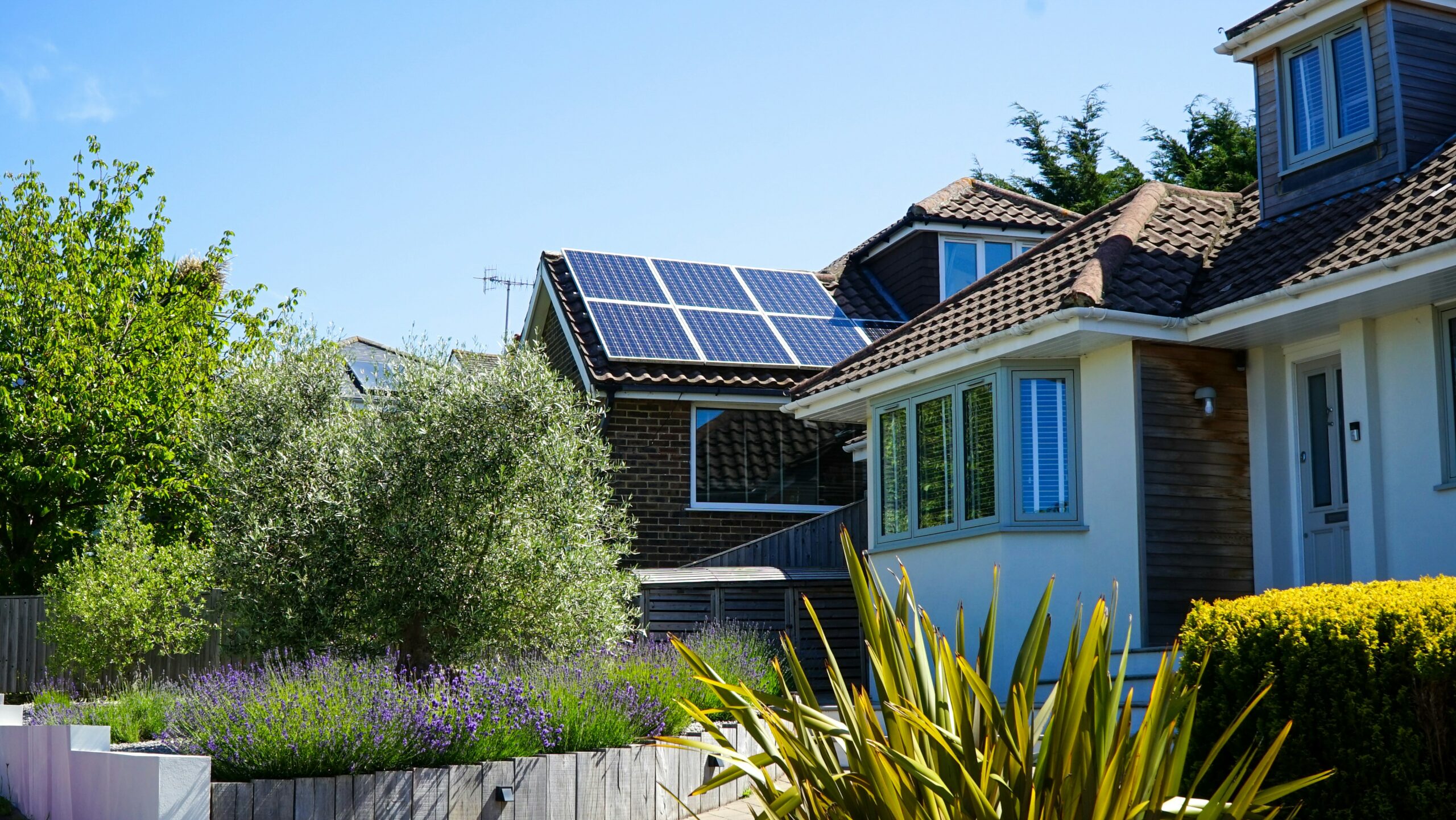
Picture a summer storm rolling through the Blue Ridge Mountains and knocking out power across Roanoke, Virginia. Streetlights go dark block by block. But at two of the city’s high schools, the lights stay on, the water keeps running, and families arriving for shelter don’t have to worry about a generator running out of fuel overnight. That’s the promise behind Roanoke City Public Schools’ new solar battery microgrids, a project that will also save the district more than $22 million in energy costs over the next 35 years, according to Canary Media.
Solar battery microgrids turn schools into storm shelters
Roanoke City Public Schools just became Virginia’s first district to pair battery storage with rooftop solar, and it picked its buildings carefully. The two high schools getting batteries both serve as FEMA-designated disaster shelters. Schools across Virginia already handle 60% of the state’s FEMA relief shelters, and half of them nationally. Jeff Shawver, the district’s senior director of school plants, explains it simply: the batteries run the building until they’re drained, and only then do the diesel generators kick in. For a grandmother riding out a hurricane in the gymnasium, that order of operations matters. Reliable power isn’t a convenience there. It’s what keeps a shelter functioning.
$22 million saved, decades of stable bills
The math favors taxpayers as much as the planet. Solar arrays across 29 rooftops will cut electric bills by more than $22 million over 35 years. Roanoke bundled the panels with new roofing, avoiding roughly $24 million in separate capital costs the district would have paid anyway, and most buildings now carry 25-year roof warranties too. Money the district isn’t spending on electricity and emergency roof repairs stays in classrooms instead, which matters for the roughly 14,000 students enrolled. A school board that isn’t scrambling to cover a leaking roof can fund a reading program instead.
Cleaner power, fewer diesel generators running
The hardware is modest by utility standards: 9.4 megawatts of solar across 29 rooftops, covering 44% of the schools’ energy needs. But the effect compounds daily, since solar recharges the batteries every sunny day, and the diesel generators that used to be the only backup now sit idle through most outages. Less diesel means less noise and exhaust near playgrounds, plus a smaller carbon footprint for a district serving families across Roanoke. Virginia ranks 8th nationally for K-12 solar capacity, with 83 megawatts installed across 236 campuses, and Roanoke’s project pushes that number higher.
Training tomorrow’s clean energy workforce
Roanoke didn’t stop at hardware. The district partnered with Secure Solar Futures on career and technical education, giving students hands-on experience with the same systems keeping their schools running. Generation180’s Tish Tablan notes that schools double as voting locations and community gathering spots, so investments like this reach well beyond the classroom. It fits a broader trend, since 1 in 7 US students now attend a solar-powered school, and workforce programs like Roanoke’s turn that statistic into local jobs. Batteries tied to critical buildings have already proven their worth elsewhere, much like battery storage did for Texas’s grid last summer during extreme heat.
None of this fixes every tight school budget on its own. But for a district that shelters families during the worst storms of the year, a battery that keeps running after the grid goes down is an upgrade people notice.