
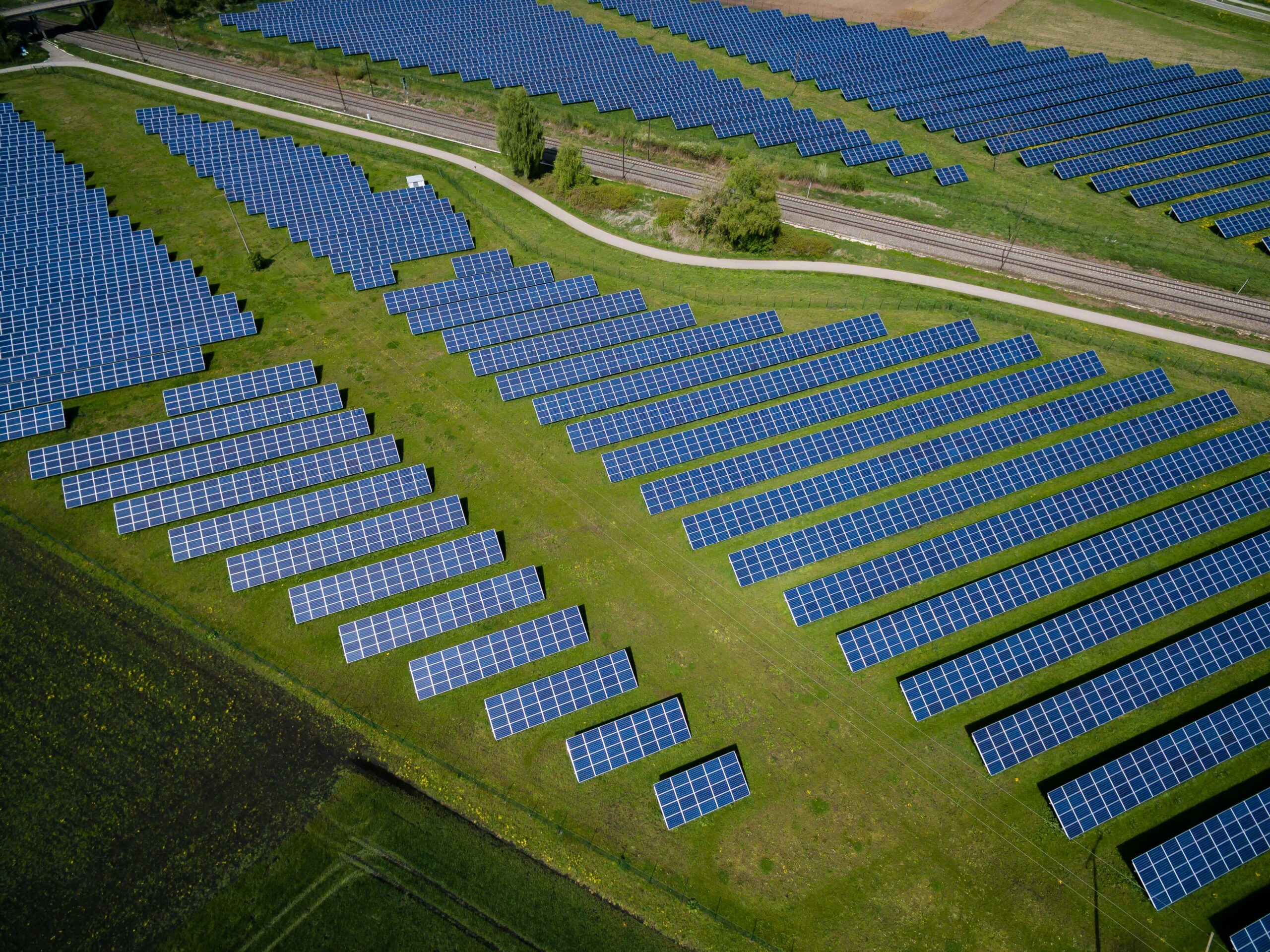
Derry, New Hampshire’s fourth-largest town just found $4 million hiding under an old landfill. For six years, an all-volunteer committee called the Derry NetZero Task Force pushed for a plan that finally switched on this month. The idea was simple: cover ten acres of capped, unusable landfill with solar panels and let the sun quietly shrink the town’s electric bill for the next 25 years. The result is a Derry landfill solar project that turns dead land into a steady source of savings. It didn’t cost residents a dime upfront.
Inside the Derry Landfill Solar Project
Encore Renewable Energy built the 2.25-megawatt array on land nobody could use for much else. A capped landfill can’t grow crops or hold new buildings, but it can carry solar panels just fine. Chad Farrell, the company’s founder, structured a deal where Derry pays nothing upfront and simply buys the electricity the array produces, at a rate lower than what utility Eversource NH normally charges. That single arrangement is what makes the math work for taxpayers instead of against them.
The array generates roughly as much electricity each year as 500 average New Hampshire homes use. That’s not enough to power the whole town. But it’s enough to meaningfully cut what Derry spends running streetlights, heating municipal buildings, and keeping the lights on in town hall.
Why the Savings Matter More Than the Megawatts
Town officials estimate the deal will save Derry about $4 million over the life of the 25-year contract. Jeff Moulton, who chairs the NetZero Task Force, thinks the real number could land closer to $5 million to $10 million, depending on how much utility rates climb in the meantime. Either way, that’s money that doesn’t have to come from property taxes or get trimmed from other budget lines.
When a town spends less to keep its own lights on, it has more room to fund schools, roads, and services without asking residents to pay more. Josh Bourdon of the Town Council pointed to the project as proof that clean energy and fiscal caution aren’t opposites. Derry didn’t take on debt or gamble on new technology. It signed a long-term contract for power it was already going to buy anyway, just from a cleaner and cheaper source.
A Model Spreading Beyond New Hampshire
Derry isn’t alone in figuring this out. A landfill outside Philadelphia made a similar leap earlier this year, and towns from Texas to New England are increasingly finding that old landfills, capped for decades and good for nothing else, make ideal spots for solar. Families in other parts of the country are seeing comparable relief on their own bills as local governments strike these no-upfront-cost solar deals.
None of this requires a breakthrough in battery chemistry or a new kind of panel. It just takes towns willing to look at wasted land differently, and developers willing to structure deals so nobody pays more to get cleaner power. For Derry residents, the payoff shows up quietly: a landfill nobody could use, and a town budget with a little more breathing room every year for the next 25.
Source: Renewable Energy Magazine. Photo by Andreas Gücklhorn on Unsplash.