
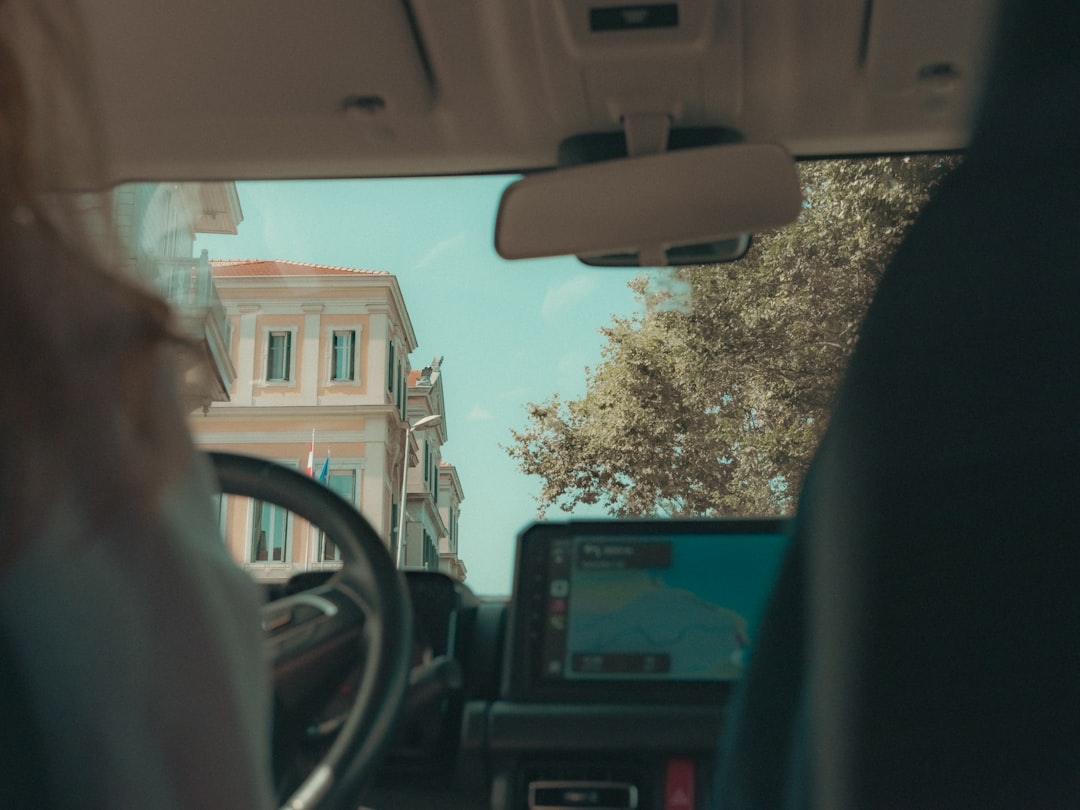
Londoners can now hail a self-driving car through the same app they already use for a regular cab. On Thursday, Uber and British startup Wayve switched on the London robotaxi service, the city’s first taxi rides powered by self-driving technology. The launch gives commuters, tourists, and night-shift workers an early taste of a ride that steers, brakes, and reads traffic on its own.
The launch matters because it puts real people in real seats, not just test tracks. Under 20 Ford Mustang Mach-E electric vehicles now roam London’s streets. Each one carries Wayve’s camera-based driving system. A licensed safety driver still sits behind the wheel. That driver can take over at any moment, so nobody hands full control to a computer just yet. For riders, the experience already feels like the future. You request a trip in the Uber app, and the app might match you with a car doing most of the driving itself.
Who Benefits From the London Robotaxi Service
The people who stand to gain the most already rely on taxis and rideshares every day. Think of commuters heading to early shifts, older residents who no longer drive, visitors unfamiliar with the city, and anyone who has waited too long for a cab on a rainy night. More vehicles on the road means shorter waits during rush hour. And a car that never gets tired or distracted adds steadier service overnight.
Safety is the bigger promise here. Human error causes most car crashes, from a driver checking a phone to plain fatigue after a long shift. Wayve’s system pairs constant camera monitoring with a trained human backup. That combination adds a second layer of attention to every trip. Regulators want to see exactly this kind of redundancy before they allow fully driverless rides on busy streets like Oxford Street or Piccadilly.
Riders clearly want in. More than 100,000 Londoners joined Uber’s interest list within eight weeks of the announcement, according to reporting from the Associated Press. That demand tells city planners people see real value here. Over time, the technology could help cut down on drunk driving, distracted driving, and the everyday fender-benders that clog up streets and drive up insurance costs.
Cleaner, Quieter Streets Too
Every vehicle in the fleet runs fully electric. That means the rollout also chips away at tailpipe emissions and street noise in one of Europe’s most congested capitals. Wayve frames the effort around building “safer, cleaner and quieter streets.” Uber adds that the technology could eventually lower fares too, by trimming labor costs while still keeping a human in the loop for now. For a night-shift worker who spends £15 to £20 on a cab home a few nights a week, even a modest fare drop adds up to real savings over a month.
What Comes Next for Self-Driving Rides
London isn’t the first city to test this balance of ambition and caution. Riders across the Atlantic have already watched gradual, safety-first rollouts build public trust. DiDi’s driverless robotaxi trial took the same phased approach before removing safety staff from its vehicles. The safety case for self-driving technology also keeps growing stronger as companies collect more data. Waymo’s own crash and injury data has already shown that pattern play out in US cities.
For now, the London robotaxi service keeps a human ready to grab the wheel. But every trip on the city’s famously chaotic streets, past roundabouts, cyclists, and double-decker buses, teaches the system something new. If the technology proves itself here the way it has elsewhere, London commuters could be looking at safer, cleaner, and more reliable rides for years to come.