
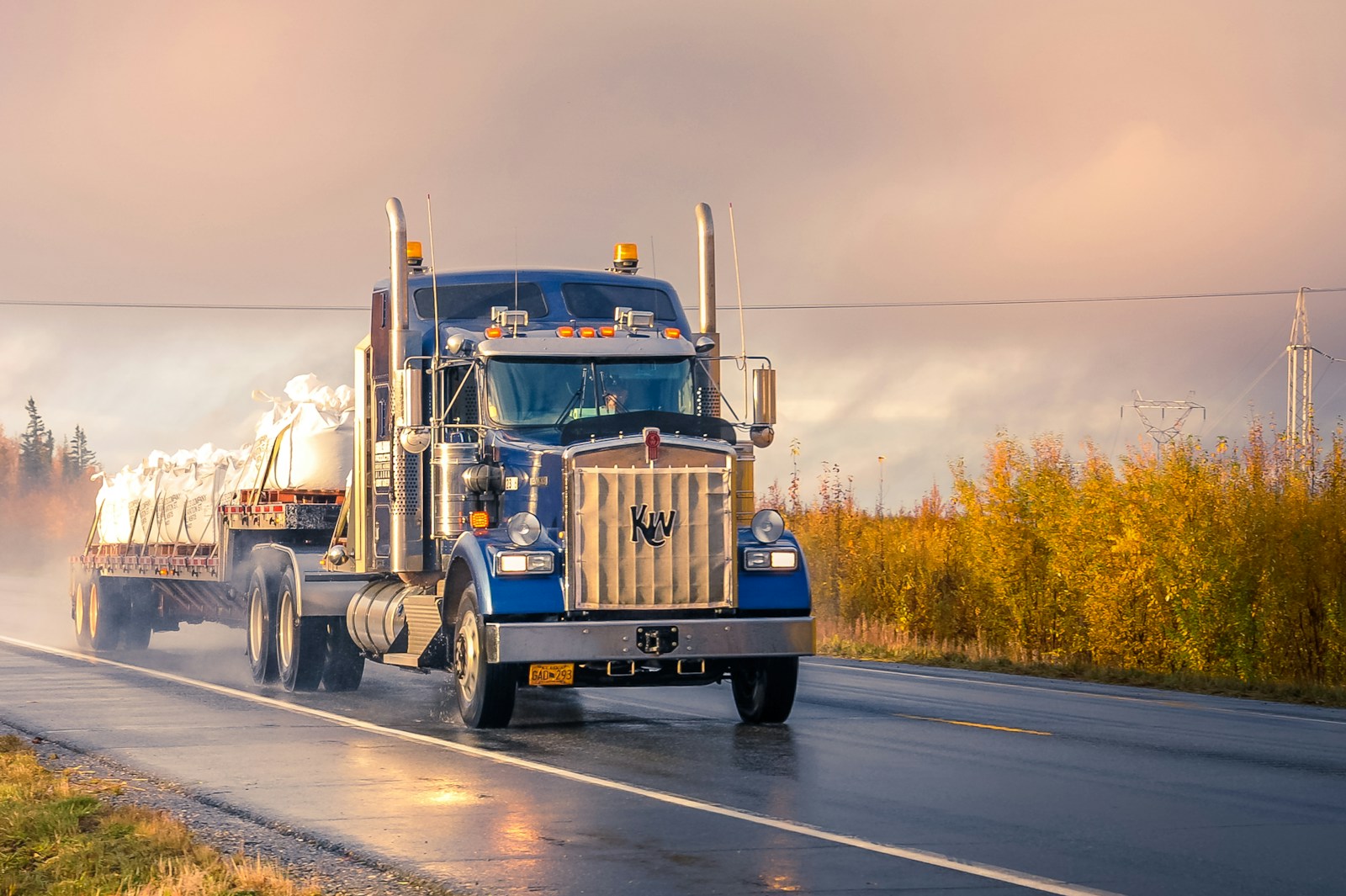
Truck drivers who haul freight overnight work some of the toughest hours on American roads, and fatigue is one of the most persistent reasons those long hauls turn deadly. Kodiak AI just moved a serious step closer to removing that risk from the equation. The company confirmed this week that its driverless trucking safety case, the mountain of engineering evidence regulators and customers require before trusting a truck with nobody behind the wheel, has reached 93 percent completion. That figure sounds bureaucratic. It actually points to something concrete: big rigs hauling freight across state lines with no human driver at all, targeted for launch by the end of this year.
This isn’t a lab demo or a distant promise. Kodiak already runs 35 driverless trucks for Atlas Energy Solutions in the Permian Basin, hauling sand used in oil drilling without a single person in the cab. Those trucks have already completed more than 100 loads in real West Texas heat and traffic. CEO Don Burnette says the remaining work is narrow and scheduled, not open-ended research: Kodiak is finishing a checklist, not chasing a headline.
Who Actually Benefits When the Driver Isn’t Tired
Safety researchers have long flagged fatigue among commercial drivers as a major factor in large truck crashes, especially on the overnight, long-haul routes where drivers push through exhaustion to hit delivery windows. Take the tired human out of that seat, and a lot changes for a lot of people at once.
Families of truck drivers no longer have to worry about a loved one nodding off at 3 a.m. on a dark stretch of interstate, and other motorists get a neighbor in the next lane who never checks a phone, drifts out of a lane, or needs a coffee break to stay awake. Communities near industrial corridors like the Permian Basin, where heavy trucks and grueling schedules collide daily, stand to see fewer of the crashes that fatigue tends to cause.
From Oilfield Sand Hauls to the Open Interstate
Kodiak didn’t jump straight to unsupervised highway driving. Its safety case readiness climbed steadily: 84 percent in February, 91 percent by July, and 93 percent now, each stage backed by documented testing rather than a press release promise. That slow climb separates a demo that works once from a system regulators, insurers, and shippers can rely on every day.
Kodiak isn’t alone in this race. Aurora’s driverless trucks already run similar highway freight routes, and Gatik’s driverless trucks keep grocery store shelves stocked in several U.S. cities. Together, these efforts point toward a trucking industry where the most exhausting, highest-risk miles get handed to a system that never gets sleepy.
Why Driverless Trucking Safety Matters to Everyday Shippers
None of this stays confined to the oil fields. Long-haul trucking moves the vast majority of consumer goods in the United States, and every fatigue-related crash on that network ripples outward into delayed deliveries, higher insurance costs, and grieving families. A driverless truck can run through the night without needing the rest breaks that human hours-of-service rules require, so freight moves faster and more predictably while nobody risks exhaustion behind the wheel.
That efficiency, paired with fewer fatigue-driven crashes, is the kind of quiet, unglamorous progress that eventually shows up in lower shipping costs and safer interstates for every family driving alongside an 18-wheeler. Kodiak’s announcement this week will not change anyone’s commute tomorrow. But if the company hits its year-end target, it marks one more piece of the highway system where a tired human no longer has to be the last line of defense against a crash.