
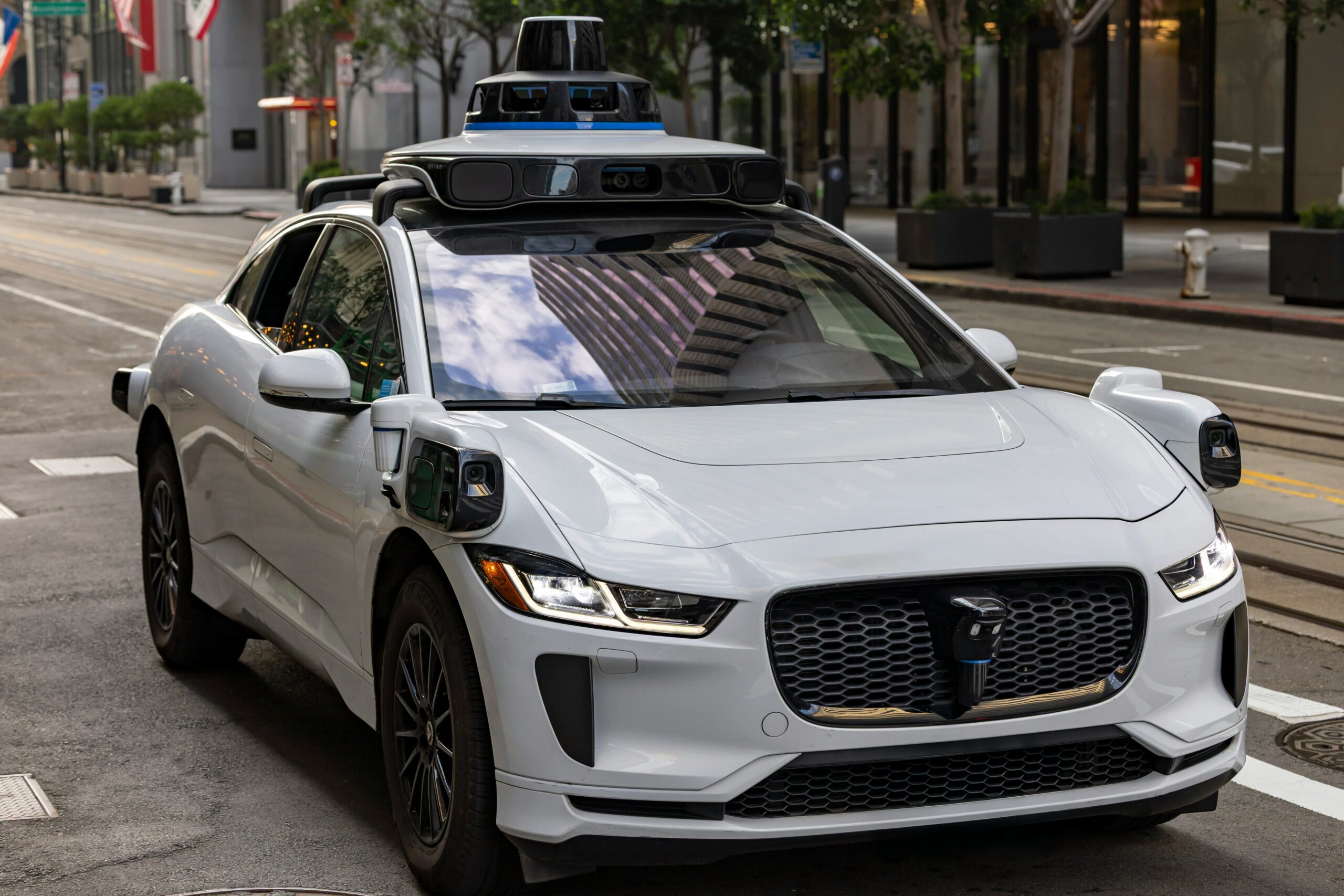
Dana spends her nights in a Phoenix emergency room, steadying IV lines until sunrise. For years, getting home after a 3 a.m. shift meant a groggy drive or a pricey rideshare with a stranger at the wheel. Six months ago, she tried a robotaxi instead. She white-knuckled the door handle on that first ride. By the third ride, she barely noticed there was no driver at all. That shift, from fear to not thinking twice, is what researchers call robotaxi trust. New data says Dana’s story is becoming the norm.
The Robotaxi Trust Gap Is Closing Fast
A new study from Cox Automotive backs up what Dana felt. Familiarity with self-driving cars climbed from 40% of Americans in 2016 to 58% today. More than half now say they’re open to trying a robotaxi. Only 18% actually have.
That gap closes fast once the cars show up nearby. In cities where robotaxis already run, usage jumps to 33%, roughly one in three residents. Waymo alone now logs about 2 million paid rides a month in the U.S. That’s not a pilot program. That’s a transportation choice people make on purpose, night after night.
“The auto industry has always had longer adoption curves for new technologies,” says Vanessa Ton, Cox Automotive’s senior manager of market and customer research. “Safety concerns and high-profile incidents have slowed progress, but the growing acceptance of robotaxis” shows attitudes are shifting.
Why One Ride Beats a Thousand Headlines
Here’s what’s actually driving the shift. The biggest fear evaporates the moment someone rides along. Sixty-one percent of non-riders say they’re uneasy about a car with no human driver. But a separate J.D. Power study found that among people who’d actually taken a robotaxi, 47% came away more confident. Only 2% felt worse. Riding beats reading about it, every single time.
Dana noticed the same shift in herself. She used to grip the armrest at every lane change. Now she naps.
What This Means for Your Wallet and Your Independence
This isn’t just a feel-good trend. It’s starting to save real money and hand back real independence. AAA’s 2026 ownership study puts the full yearly cost of a new car, depreciation, fuel, insurance, and repairs included, at $12,863. Skip night driving, skip a second car, or stop driving altogether, and a steady robotaxi habit can claw back thousands of those dollars a year.
- Night-shift workers like Dana skip the 3 a.m. choice between an expensive cab and driving exhausted.
- Older adults and people with disabilities who’ve given up driving get a ride that shows up without asking a family member for a favor. A Cambridge trial is testing that same independence for patients who can’t drive themselves to chemo.
- Commuters who already ride the bus or train can stack the savings. Transit rewards programs now pay riders for linking a robotaxi trip to public transit.
None of this works without a safety record to back it up. Those numbers are piling up in the technology’s favor as adoption grows.
What to Watch Next
Trust isn’t the obstacle it used to be. The next test is reach. Can these services get to the small towns and night shifts that need them most, not just the handful of cities where they’re already common? If Cox Automotive’s trend holds, fear isn’t what’s stopping more people from trying a robotaxi anymore. It’s just not having one nearby yet.
So here’s a question worth sitting with. If a robotaxi started running in your town tomorrow, would you jump in first, or wait for a neighbor to go first? Either way, the data says you’ll probably end up trying it. And you’ll probably be glad you did.