
One in four households in the UK doesn’t own a car, up from one in five just six years ago. If you’ve never had to figure out how you’d reach a hospital appointment without driving, that number means nothing to you. If you have, you already know the gap Nissan’s new autonomous vehicle accessibility trial is trying to close.
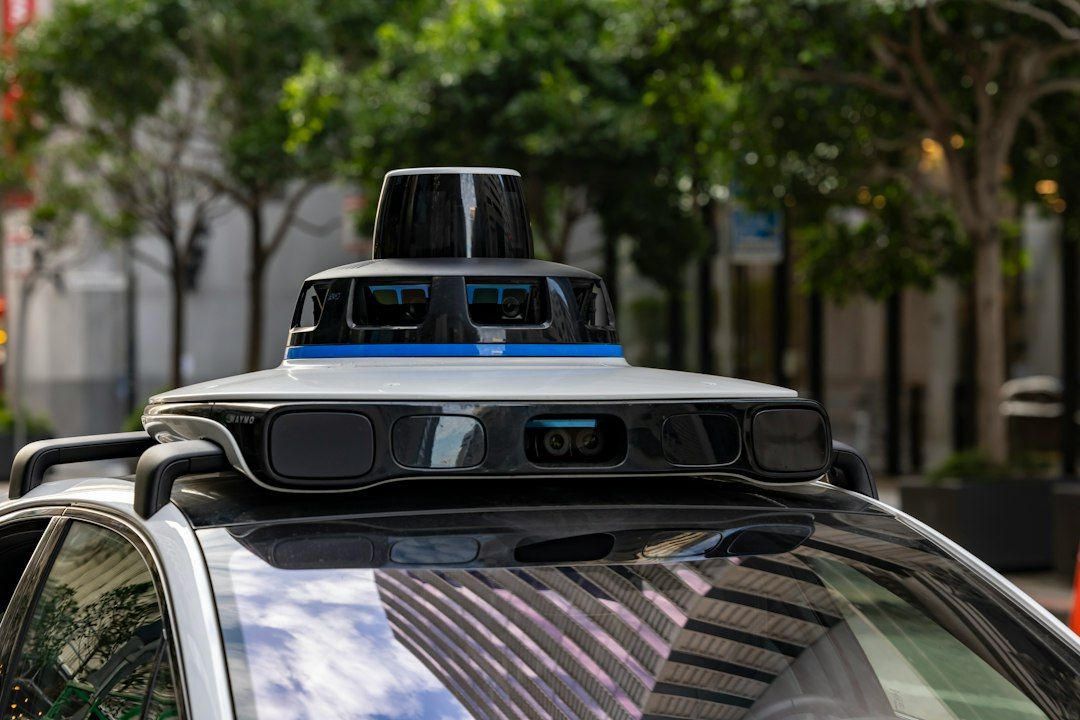
Nissan, the University of Warwick’s WMG research group, and the nonprofit PAVE UK launched a £3 million trial called ADventure this week. A modified Nissan LEAF, loaded with self-driving sensors, is now testing a driverless ride service on public roads in Cambridge, with the UK government helping foot the bill.
Nissan’s Autonomous Vehicle Accessibility Trial, Explained
Most self-driving headlines come out of London or San Francisco. This one doesn’t. Nissan picked Cambridge on purpose, to see if a ride service built for one city can work in a very different one.
Professor Siddartha Khastgir leads safe autonomy research at WMG. He said the team wants to “co-create a safe mobility service design with the public,” meaning Cambridge residents help shape the routes first. David Moss, a senior Nissan executive, framed the goal as understanding “how these services can work for different communities,” not just the capital. In plain terms: this tests whether autonomous rides work for ordinary towns, not just flagship cities built for good press.
The Real Reason This Matters: Getting to the Doctor
Buried in the announcement is the detail that matters most. Nissan wants to explore rides for non-drivers heading to medical appointments. That sounds small. It isn’t.
Picture Priya, a nurse in her fifties who stopped driving after a change in her eyesight. Her twice-weekly hospital appointments now mean two bus transfers and a long wait in the rain. She’s not rare. Nearly 92% of disabled people in the UK report hitting barriers on at least one form of transport, according to the National Centre for Accessible Transport.
- Older adults who’ve given up driving but still need checkups and pharmacy runs.
- People with disabilities boxed out by buses with no ramp or taxis that won’t take a wheelchair.
- Family members currently playing unpaid chauffeur, who could get their afternoon back.
That last group matters more than people assume. A South East Scotland transport and health report found roughly one in three surveyed patients had missed or delayed care simply because they couldn’t get there.
What It Could Save You
A one-way taxi across a mid-sized UK city commonly runs £15 to £25. Book that twice a week for dialysis or physiotherapy, and you’re over £1,500 a year out of pocket, money plenty of households don’t have spare.
“Future technology users and other road users will be equipped with the knowledge of benefits and limits of this new transport technology,” Khastgir said when PAVE UK laid out its mission to the public.
A driverless service priced below a taxi and more flexible than an hourly bus wouldn’t just save money. It would hand back time: no more building a whole day around one bus, no more asking a relative to burn a sick day for a 20-minute appointment.
What Happens Next
ADventure is still a research trial, not a service you can book today. It ends with a public demonstration, not a storefront. Still, the direction is right, and it mirrors what’s already happening across the Atlantic, where disability advocates say opening robotaxi access to everyone gave blind riders real independence.
Watch for two things over the next year: whether Cambridge residents actually shape the routes, and whether Nissan commits to a real launch date once the trial wraps. A good pilot that never leaves the lab helps no one still waiting for a ride to their next appointment.