
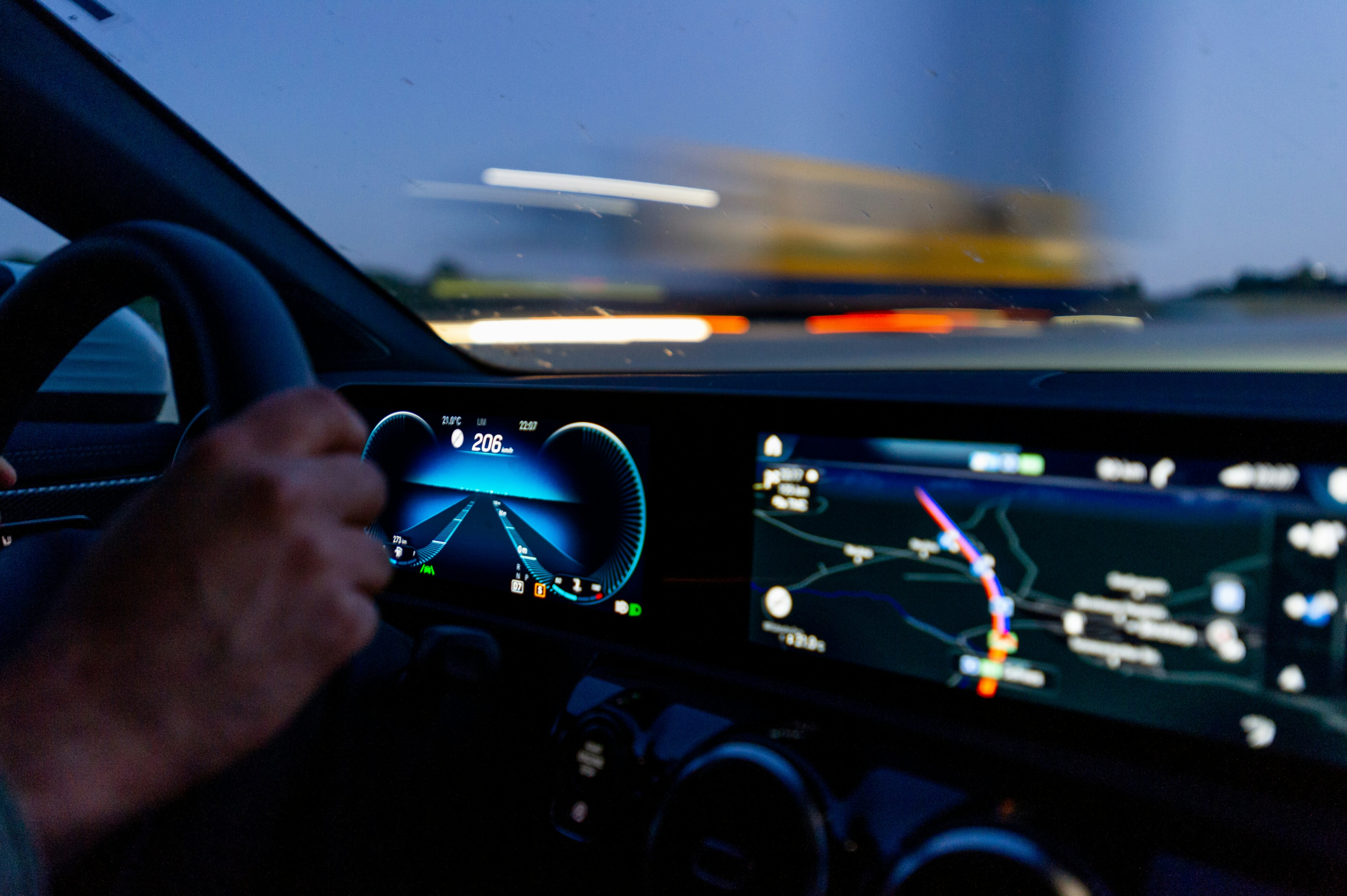
Aroha teaches new drivers for a living in Wellington, New Zealand. She spends her days watching teenagers ease off the gas, misjudge gaps, and brake a half-second too late. So when her own Tesla’s Full Self-Driving mode handled a roundabout smoother than half her students could, she noticed. Now a real Tesla FSD insurance discount is showing up on the other side of the Tasman Sea, and it started with a year of driving data.
Zurich, one of Australia’s largest insurers, just became the first in the country to treat FSD as a genuine safety factor instead of a marketing line. Owners who switch it on now qualify for lower premiums through the company’s InsureMyTesla product.
What a Year of Real Driving Actually Showed
Between September 2025 and September 2026, Tesla drivers logged more than 160 million kilometers with FSD engaged, according to Drive Tesla’s coverage of the full safety report. Compare that to 2.4 billion kilometers driven the regular way, hands on the wheel, active safety features on. The gap in outcomes tells the story.
| Driving Mode | Collision Rate |
|---|---|
| FSD engaged | 1 crash per 1.78 million km |
| Manual driving | 1 crash per 1.07 million km |
That works out to a 40% drop in collisions. Automatic emergency braking kicked in 66% less often, because the car spotted danger sooner. Harsh braking fell 90%. Every one of those numbers is a moment someone didn’t get rear-ended, didn’t need a tow truck.
What the Tesla FSD Insurance Discount Means for Your Wallet
A safety report doesn’t pay anyone’s bills. Insurance does, and that’s where this gets useful. Zurich hasn’t published its exact discount yet. But look at what other insurers already offer: Lemonade in the United States gives drivers up to 50% off per-mile rates for using autonomous features. If Australian and New Zealand insurers land anywhere near that range, a driver paying $1,400 a year for comprehensive coverage could save several hundred dollars annually. Add the time saved, too: fewer afternoons on hold with a claims department, fewer rental cars while yours sits in a body shop. Zurich’s David Toma put it plainly:
“This is a really exciting milestone. Drivers using this technology are involved in far fewer accidents.”
Tesla’s own country director, Thom Drew, called the insurer’s move “encouraging.” That tracks. Real premium dollars are harder to wave off than marketing copy.
The Skeptics Deserve a Hearing Too
Not everyone is convinced FSD has earned a victory lap. Researchers at the University of Queensland logged more than 500 safety-critical interventions during just over 100 days of real-world testing, a reminder that a human still needs to stay alert. U.S. regulators have also opened a formal investigation into FSD after receiving reports of traffic violations, a story TechCrunch covered in detail this week.
Both things can be true at once. The technology cuts collisions on average while still making mistakes worth scrutinizing. That tension is exactly why Zurich is moving carefully, rewarding a safer average instead of declaring the system flawless.
Aroha still teaches her students to check their mirrors the old-fashioned way. But she also tells them what her own insurer now believes: a car that watches the road every second, without getting tired, tends to keep more people safe. If you drive a Tesla with FSD, call your insurer this week and ask what’s coming. Zurich just proved the math works, and insurers rarely leave money on the table for long.