
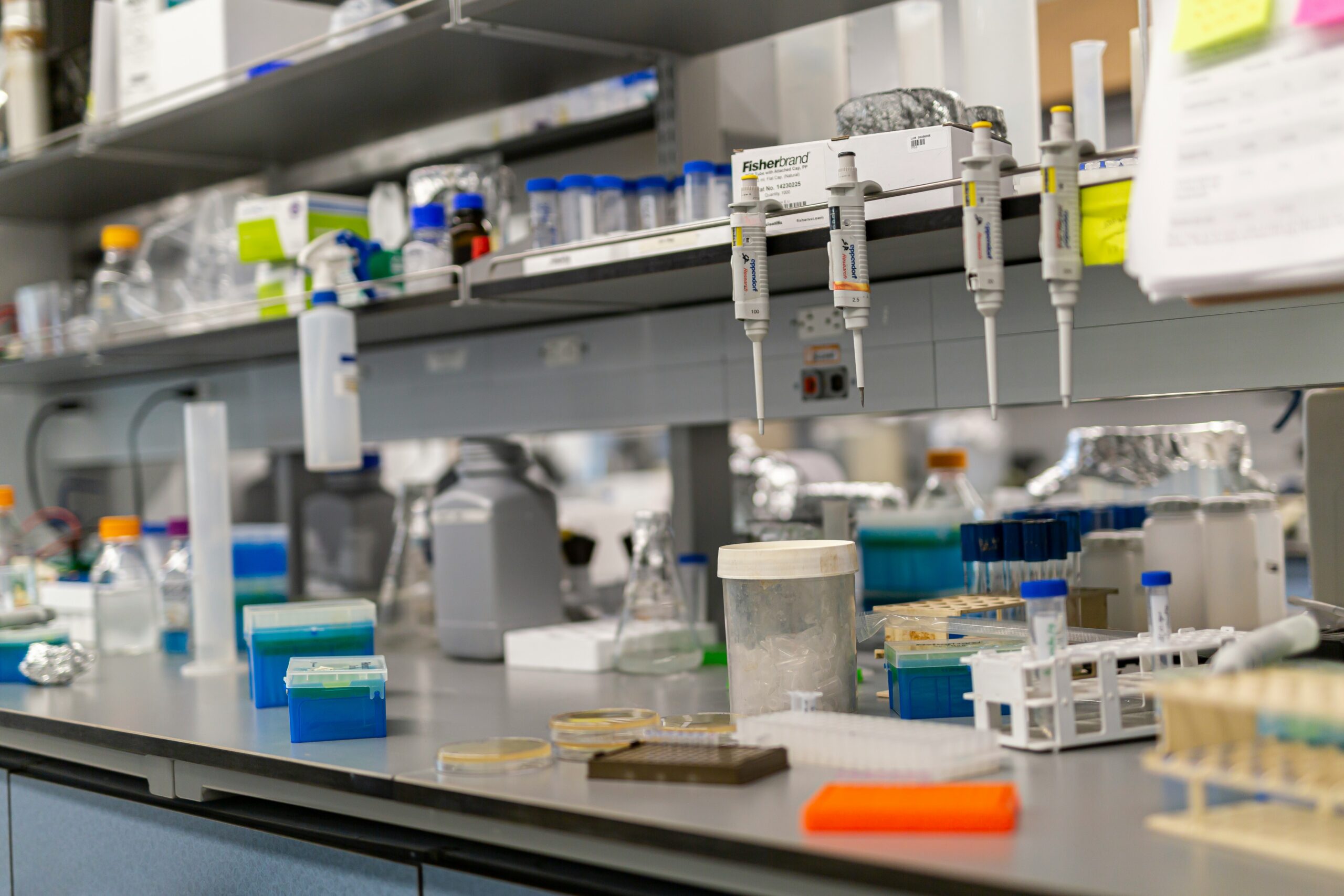
A $1 billion fusion campus is under construction in Albuquerque, and it just cleared a paperwork hurdle that every fusion developer must eventually face. On November 20, 2026, Pacific Fusion said the New Mexico Environment Department (NMED) approved a radioactive materials licence. It lets the company possess and use tritium, a radioactive form of hydrogen used as fusion fuel. The company announced this in its own press release, and World Nuclear News reported the same day. This post covers what is verified: a licence was granted. No fusion result came with it.
- 2039 (expected): ITER starts deuterium-tritium operation under its revised baseline
- 2028 (expected, company-reported): Helion targets power to Microsoft
- 2027 (expected, company-reported): CFS’s SPARC designed to reach net fusion energy
- Nov. 20, 2026: Pacific Fusion reports a New Mexico tritium licence
What the Licence Covers
According to Pacific Fusion, the licence allows it to “safely possess and use tritium for fusion” at its Research and Manufacturing Campus in Albuquerque. The company says the amounts are small, kept in a closed system, with waste going to a licensed facility outside New Mexico. It gives no quantities.
The company calls this the first radioactive materials licence NMED has issued to a private fusion company. That is the company’s claim, and I found no independent confirmation of it. Pacific Fusion also says the state regulates fusion under a framework similar to the one used for hospitals and research facilities. The approval came a year after the company said it would build in the state.
How the Machine Is Meant to Work
Pacific Fusion develops a pulser-driven inertial fusion system, according to World Nuclear News. In plain terms, inertial fusion squeezes a tiny pellet of fuel so fast and so hard that its atoms fuse before the pellet blows apart. This differs from a tokamak, which holds hot plasma in a magnetic cage for longer stretches. The company says its design uses modular, mass-manufacturable parts. It reports that it has hired 90 people so far at its Los Lunas Build Center, which builds those parts.
World Nuclear News reports that the company’s Demonstration System is expected to produce bursts of high-energy fusion output above 100 megajoules. That figure appears in the news outlet’s article, not on the company’s own release, so treat it as a reported design expectation.
Where Construction Stands
The company’s website lists a groundbreaking announcement dated August 25, 2026. The release says the company will keep working with NMED “as construction progresses,” which tells us the campus is still being built. It also expects more than 200 permanent jobs and hundreds of construction jobs. Those are expectations, not hires.
| Item | Status | Reported by |
|---|---|---|
| NMED radioactive materials licence | Granted | Pacific Fusion, World Nuclear News |
| Campus cost | $1 billion | Pacific Fusion, World Nuclear News |
| Los Lunas hires | 90 so far | Pacific Fusion |
| Net facility gain | Goal for 2030 | Pacific Fusion |
| Output above 100 megajoules | Expected, not achieved | World Nuclear News |
Source: Pacific Fusion press release and World Nuclear News, both dated 20 November 2026.
What the Licence Does Not Show
A licence is permission, not proof of physics. Pacific Fusion has not reported a fusion result from this campus. Its stated goal is “net facility gain by 2030.” World Nuclear News describes that as more fusion energy out than the total energy initially stored in the machine. That is a goal for a lab device. It is not scientific gain measured at the fuel, and it is not engineering gain, which would count electricity out against all power in. Nothing here says when a plant could feed a grid.
I also could not open the licence itself. NMED is named in the release but not linked, and no licence number or expiry date is given. Peer review does not apply here, since this is a regulatory step. Cost, repeat operation and long-term reliability all remain untested.
Why It Matters to You
Fusion power is not on any grid today, and this licence does not change that. What it shows is that a state regulator has a working process for fusion fuel handling, which the company’s sources describe as an essential step toward its plans. Rules that exist before machines run can make later plants easier to site. For a comparison with how a government handles a fusion build, see our report on the UK STEP fusion plant tender.
Sources
- Pacific Fusion, press release “Pacific Fusion secures key license to advance clean fusion energy in New Mexico,” 20 November 2026.
- World Nuclear News, “Pacific Fusion secures key licence for New Mexico campus,” 20 November 2026.
- The Fusion Report (Substack), “This Week’s Fusion News: November 20, 2026,” 20 November 2026.
What to watch next: the first fusion shots at the campus, and whether other states copy New Mexico’s licensing approach. Permits come first. Physics decides the rest.