
Five contracts. Up to £115 million. That is what UK Fusion Energy put out to tender this week for its STEP prototype fusion plant, according to the tender notice dated 11 November 2026. Nobody has won anything yet, and nothing has been built from this money. What is verified is the shopping list, and it shows how far the STEP fusion plant has moved from design toward real hardware.
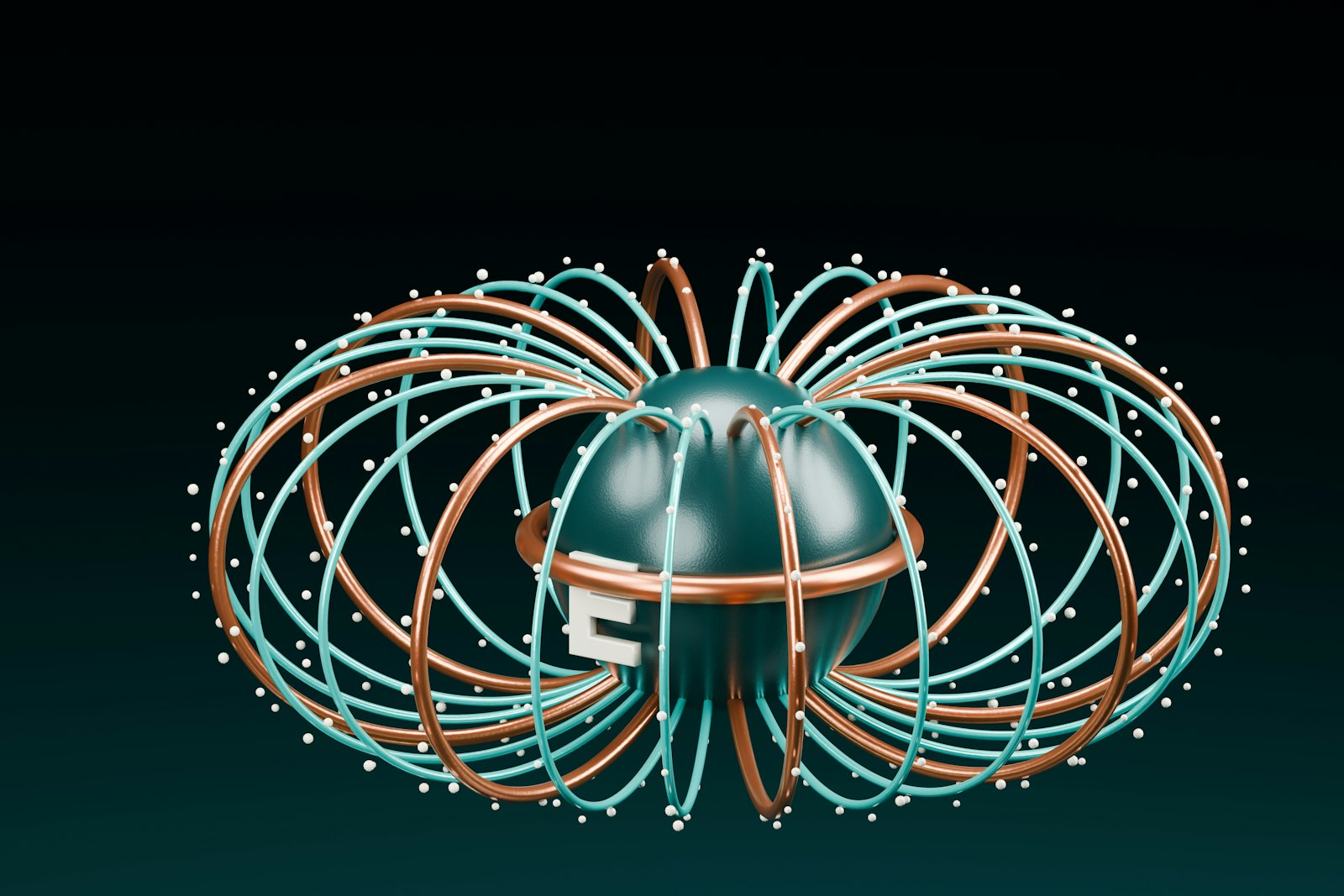
STEP stands for Spherical Tokamak for Energy Production. A tokamak is a doughnut-shaped chamber that uses strong magnets to hold superheated gas, called plasma, away from the walls. The “spherical” version is a tighter, more compact shape. UK Fusion Energy is a subsidiary of the UK Atomic Energy Authority. It says it aims to deliver a prototype by 2040, with a technical goal of predictable net electricity above 100 megawatts, as reported by World Nuclear News.
What the Five STEP Contracts Cover
The tender notice splits the work into five lots. Each is a “partner” role. Together they are worth an estimated £115 million before VAT, or £138 million with VAT included.
| Lot | Role | Estimated value (before VAT) |
|---|---|---|
| 1 | Breeder blanket system | £20 million |
| 2 | Fuel cycle system | £20 million |
| 3 | Test operations | £35 million |
| 4 | Control system | £15 million |
| 5 | Systems engineering and whole plant integration | £25 million |
Source: UK Fusion Energy tender notice PP-UKFE-273, published 11 November 2026.
Each contract runs two years, with options to extend by one year, twice, up to four years in total. One supplier can win at most three lots. Bids are due 29 January 2027. The notice lists an expected award decision on 6 April 2027 and contract start on 23 April 2027.
Why Fuel and Fuel Handling Sit on the List
Two of the lots deal with fuel, and that matters. Most fusion designs burn deuterium and tritium, two heavy forms of hydrogen. Tritium is scarce, so a plant has to make its own. The breeder blanket is the layer of material around the plasma that is meant to produce tritium as neutrons strike it. The fuel cycle system then collects, cleans and recirculates that fuel.
Neither job has been shown at power-plant scale anywhere. Putting them out for industry partners tells us the UK programme is treating them as engineering tasks to be bought, not only studied. It does not tell us they will work.
Where STEP Stands Today
STEP is planned for the West Burton coal-fired power plant site in Nottinghamshire, England. World Nuclear News reports that a consortium led by Kier and a Nuvia venture, with AECOM, AL_A and Turner & Townsend, was appointed in March 2026 for a first three-year, £200 million tranche. That work covers buildings and infrastructure on the site. The new lots cover the plant’s core systems.
Context helps here. ANS Nuclear Newswire’s summary of the IAEA’s 2026 World Fusion Outlook counts 26 fusion power plants in planning worldwide. It also says 85 of 111 public fusion facilities are operating, against 13 of 63 private ones. STEP sits in the planning group, not the operating group.
What This Does Not Show
This is a procurement notice, not an experiment. No plasma result, no peer-reviewed paper and no test data came with it. The 2040 date and the 100 megawatt goal are plans, as stated by the programme. The notice also says UK Fusion Energy reserves the right to make no award for any or all lots.
Several hard questions stay open. Can a blanket breed enough tritium to keep a plant running? Can materials survive years of neutron bombardment? What will the electricity cost? Nobody has answered those with plant-scale evidence yet. I also could not find an official UKAEA or gov.uk release on this tender. The facts here come from the tender notice itself and two trade outlets that agree with it.
The supplier question is a familiar one in other nuclear builds too. Our coverage of faster nuclear construction at Purdue and of Doosan’s core parts deal for TerraPower shows the same pattern: schedules depend on who can build the parts.
Who Benefits and How
Fusion power is not on any grid today, and STEP is a prototype aimed at 2040, not a commercial plant. In the near term, the winners are engineering firms and their workers, who get two-year contracts and a place in a new supply chain. Later, if the prototype reaches its goal, households could gain another low-carbon source of steady power. That is a long way off, and the tender does not promise it.
Sources
- UK Fusion Energy, tender notice PP-UKFE-273, “STEP Engineering System Partners Procurement,” published 11 November 2026.
- World Nuclear News, “Bids invited for construction of UK prototype fusion plant,” 12 November 2026.
- ANS Nuclear Newswire, “STEP begins major procurements; First Light collaborates with U.K. laser facility,” 12 November 2026.
- ANS Nuclear Newswire, “IAEA publishes 2026 World Fusion Outlook,” 13 November 2026.
- The Fusion Report, “This Week’s Fusion News: November 13, 2026,” 13 November 2026.
What to watch next: the 29 January 2027 bid deadline, then the April award decisions. The names that win will show who is trusted to build the parts no one has built before.