
Low-income households in Orlando spend 130% more of their monthly income on power bills than the average American family. The city built the Orlando Energy Savings Program to close that gap, and a few months into the rollout, the early numbers already show it’s working.
Orlando’s Office of Sustainability & Resilience runs the program, and it hands out free energy-efficient equipment to a group most upgrade programs skip: renters. That matters here more than in most cities, since 62% of Orlando households rent rather than own. Landlords usually decide on insulation, appliances, and solar panels, not tenants, so renters get stuck paying high bills for equipment they have no power to replace.
How the Orlando Energy Savings Program Works
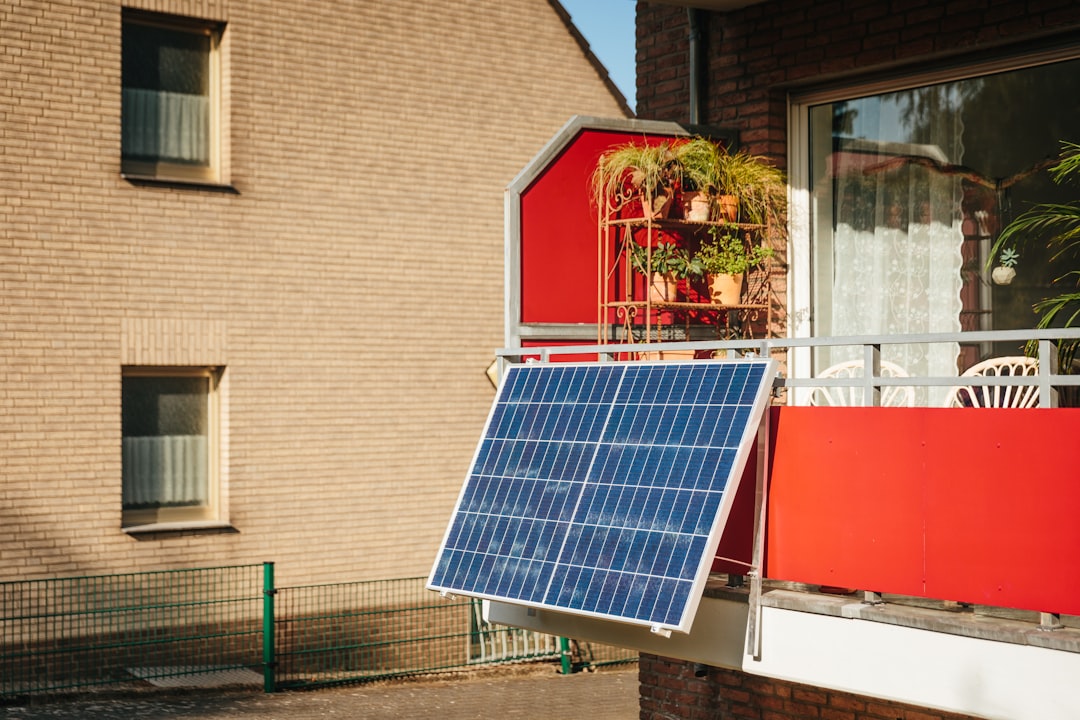
The program sidesteps the landlord problem with portable, plug-in technology tenants can install themselves or with quick landlord sign-off. Recipients get heat pump plug-in air conditioners, heat pump water heaters, portable solar panels and batteries, induction cooktops, and starter kits with LED bulbs, weatherstripping, and low-flow fixtures. None of it requires ripping into walls or rewiring a unit. A renter who might move out next year still benefits today.
So far, 95 households have received devices, and the average household saves $16 a month, beating the city’s own $10 target. That’s not life-changing money on its own. But stack it across a full year, and it starts covering a real chunk of a summer electric bill in Central Florida, where air conditioning runs nearly nonstop.
Who Pays for It, and Who Gets In
The city isn’t paying for this out of its general budget. A $115,000 Partners for Places grant covers a chunk, and federal Energy Efficiency and Conservation Block Grant dollars extend the program through June 2027. Orlando teamed up with local solar installer 15 Lightyears, plus community groups Poder Latinx and the Desire Foundation, to find eligible households and walk them through the process.
Applying is simple. Residents apply online, complete a short phone screening, then get a home visit to confirm the devices will fit and work in their space. Installation follows within about a week and a half of approval. With 150 applications already in against just 95 households served, demand is outpacing supply, usually a good sign that a public benefit is actually reaching the people who need it.
Why This Kind of Technology Rollout Matters
Cities have tried energy efficiency programs for decades, but most assume the applicant owns their home. Orlando flips that script and treats renters as the primary audience, not an afterthought. Delaware took a similar swing at the affordability problem through a community solar push that’s cutting power bills for thousands of households, proving a fix doesn’t always need a massive grid-level project. Sometimes a $115,000 grant and a box of the right hardware gets the job done at a scale a city can actually manage.
For a renter earning a modest paycheck in a city where the heat rarely lets up, that’s the difference between dreading the summer power bill and barely noticing it. Read the full rollout details via Smart Cities Dive’s original coverage.