
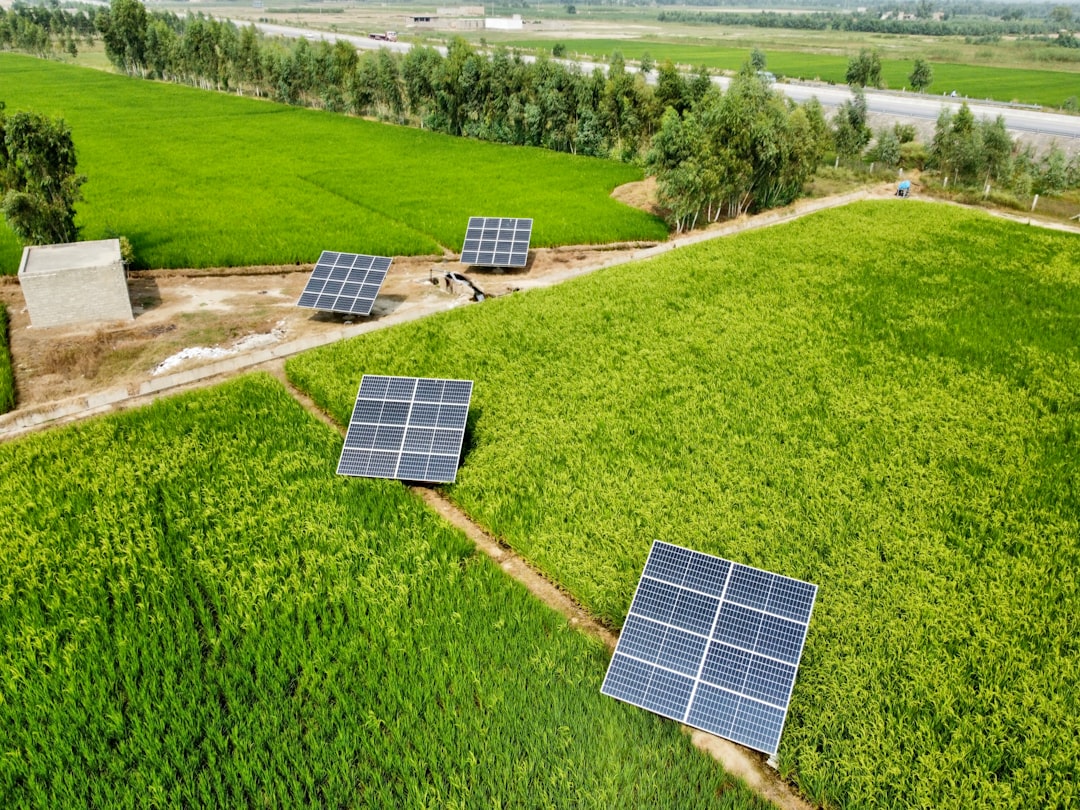
For more than 150 years, the Harris family has worked the same acreage in Hanover County, Virginia, growing hay, grazing cattle, and passing Cross Creek Farm down through generations. Land taxes climbed. Equipment costs kept rising. Families in their position often sell out to developers who pave the fields over for good, but the Harrises found a different path. A new shared solar deal will deliver real shared solar savings to hundreds of nearby households while keeping their farm exactly what it has always been: a farm.
Charlottesville-based Hexagon Energy plans to build a 3-megawatt solar array on 26 of the family’s 100 acres along Blunts Bridge Road in the Beaverdam district. That’s a small footprint by utility standards, but the impact on nearby electric bills won’t be small at all.
How Shared Solar Savings Reach Homes Without a Single Rooftop Panel
Here’s the part that matters most for regular people: you don’t need to own land, install anything, or even own your home to benefit. Through Dominion Energy’s shared solar program, up to 600 households can subscribe to the Blunts Bridge array and receive credits on their monthly electric bills based on the power it generates. Renters, apartment dwellers, and anyone whose roof faces the wrong direction or can’t hold panels finally get a way into cheaper, cleaner electricity.
That model is already working elsewhere. A similar push slashed power bills for 16,000 households in Delaware this year, and a comparable program in Bloomington, Illinois is doing the same for renters who could never install their own panels. Shared and community solar isn’t a niche idea anymore. It’s becoming one of the fastest ways to put real savings into people’s pockets without asking them to spend a dime upfront.
A Working Farm Stays a Working Farm
What sets Blunts Bridge apart is what happens to the other 74 acres. The Harrises keep farming and managing timber on the rest of Cross Creek Farm, and Hexagon designed the array to sit low and stay screened from neighboring properties, so the rural character of the road doesn’t change. Hanover County will collect roughly $500,000 a year in tax revenue once the project is running, money that can support schools, roads, and emergency services without raising anyone’s property taxes.
Hexagon expects construction to take four to six months. When it wraps, a family that has farmed this land since before electricity reached most rural counties will have a new, steady source of income precisely because the land keeps producing food instead of houses.
Why This Deal Reaches Beyond One Farm
Multiply Blunts Bridge across the thousands of family farms facing the same financial squeeze nationwide, and a pattern emerges: solar leasing can rescue agricultural land instead of threatening it. Farmers get to pass working land to their kids instead of a subdivision. Neighbors get lower electric bills. Future generations inherit a grid running on more clean power, without a single acre of forest cleared to build it.
You can read more on how Hanover County officials are weighing the project from VPM’s original reporting.