
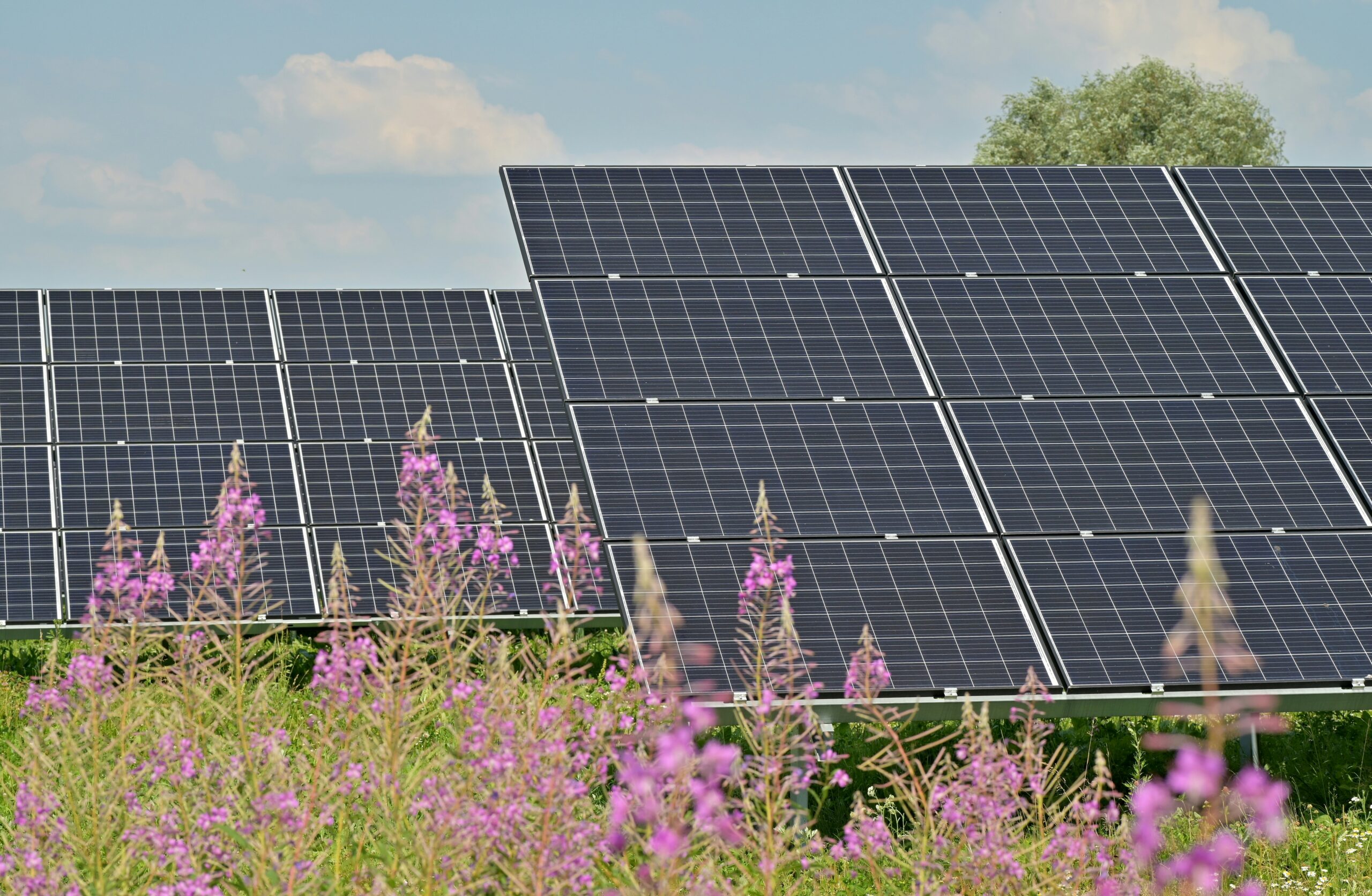
Sixteen thousand Delaware households are about to see a smaller number at the bottom of their electric bill, and not one of them had to put a panel on their roof. Governor Matt Meyer’s administration cleared the way for four new community solar projects across Sussex and New Castle counties this month, and together they will deliver real community solar savings, roughly 10 to 15 percent off monthly power bills, to families who rent, live under too much shade for rooftop panels, or simply cannot afford an upfront installation.
The projects, developed by ECA Power in Seaford, Townsend, and Clayton, represent more than 16 megawatts of new solar capacity and $73 million in private investment. That is enough electricity to matter at scale. But the real story here is not the megawatts. It is who gets to benefit from them.
How Community Solar Savings Work Without a Rooftop
Community solar flips the usual pitch on its head. Instead of buying panels and bolting them to your roof, you subscribe to a share of a solar farm built somewhere else nearby. Your utility credits your bill for the power that share generates. Renters get in. So do homeowners with shaded lots, older roofs that cannot support panels, or budgets that rule out a rooftop system entirely.
For the 16,000-plus households signed up across these four Delaware projects, that means real money back every month, not a decade from now once a rooftop system finally pays for itself, but starting as soon as the projects come online. Governor Meyer put it plainly: “No one should open their energy bill each month and be forced to decide if they are going to eat dinner, go to the doctor, or power their home.”
Cutting Red Tape to Get Panels in the Ground Faster
None of this happens without permits, and permits are usually where clean energy projects go to die. Complex renewable energy projects in Delaware used to take 48 months or longer to clear state review. Meyer’s JobsFirst Permitting Accelerator Program compresses that timeline by syncing reviews across agencies, aligning schedules, and assigning each qualifying project a single point of contact instead of a maze of separate offices.
Environmental review and public input stay intact. What disappears is the waiting. States across the country are experimenting with similar permitting reforms, but Delaware is now showing one working end to end, from policy announcement to energized solar farms crediting bills in about a year. Solar Power World reported that the accelerated timeline is what let ECA Power move from permit to construction fast enough to start crediting bills this year instead of sometime in 2028.
What This Means Beyond Delaware
Faster permitting does not just save developers money. Every month a solar project sits waiting on paperwork is a month of fossil fuel generation it is not displacing. Speed up that process, and cleaner air along with fewer emissions arrive on a shorter timeline, not just eventually. It also means the savings families in Texas are already seeing from utility-scale solar can show up in more states, faster, if permitting offices follow Delaware’s lead.
There is another piece worth watching: where the panels themselves come from. Domestic manufacturing pushes like the one bringing 300 new jobs to a solar factory in Albuquerque mean projects like Delaware’s can source hardware closer to home as accelerated permitting spreads to more states.
For now, 16,000 Delaware households get to watch their bills shrink starting this year. That is not a distant promise. It is a number that shows up the next time the bill arrives.