
Forty-four percent of the people renting an electric car by the hour in Minneapolis and St. Paul come from low-income households. Most don’t own a car of their own, and more than three-quarters say this service is the reason why. The program behind those numbers, the Twin Cities EV Spot Network, just picked up a 2026 Smart Cities Dive Community Project Award for proving that shared electric vehicles and public charging can do real work for a city’s tightest household budgets.
Minneapolis and St. Paul launched the network in 2022 through Hourcar, a nonprofit that has run car-sharing in the Twin Cities for two decades. It grew out of a 2017 shared mobility plan with an ambitious goal: pull 50,000 vehicles off the region’s roads within ten years. Four years in, the numbers suggest the plan is working.
How the Twin Cities EV Spot Network Fills the Gaps Transit Can’t Reach
Minneapolis and St. Paul run solid bus and rail service, but no transit system stops at every job site, pharmacy, or grandparent’s house. And owning a car to cover those last miles is expensive once you add up insurance, gas, parking, and repairs. Just as NJ Transit’s real-time bus tracking saves riders the smaller cost of standing around guessing when a bus will show, the Twin Cities EV Spot Network tackles the much bigger cost of owning a vehicle a household can’t really afford. Its fleet of 168 electric cars sits ready across a 40-mile service area, bookable by the hour for a grocery run, a job interview, or a trip no bus route quite reaches.
Curbside Charging Built for Everyone, Not Just Members
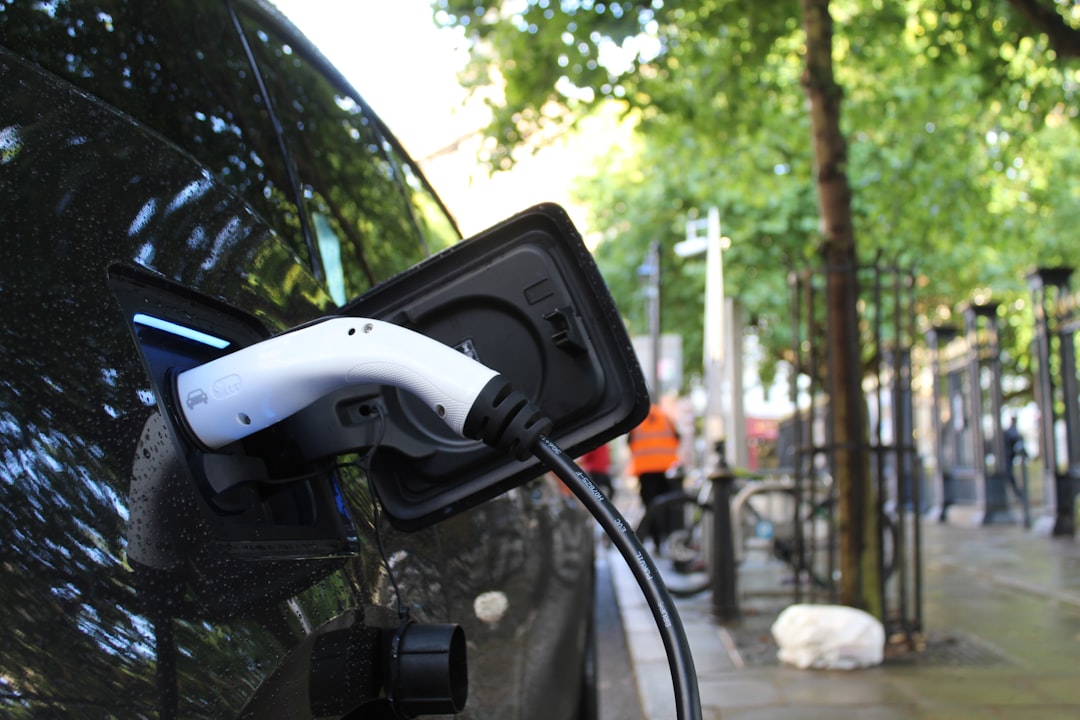
The network also runs 70 curbside charging stations with 280 plugs total, split evenly between the shared fleet and privately owned electric vehicles. Every one of them runs on clean energy supplied by Xcel Energy. That split matters most for renters and apartment residents who have nowhere to plug in overnight; curbside charging puts that option on the street right outside their door instead of behind a garage they don’t have. Drivers logged more than 52,000 charging sessions and 140,000 shared-car trips in 2025 alone, numbers that keep climbing as more stations go in.
Reaching the Neighborhoods That Need It Most
City planners didn’t scatter these stations randomly. They targeted neighborhoods with the highest share of zero-car households and the ones hit hardest by vehicle pollution, the same communities that often get left out when new infrastructure rolls out. Minnesota State Rep. Athena Hollins pushed hard for the funding that made the expansion possible, and the payoff shows up in resident surveys: 77% of members say the network let them avoid buying a car altogether or put off the purchase. It’s a similar spirit to what Shreveport did with its free self-driving bus service, another example of a city using new vehicle technology to open up mobility rather than gatekeep it behind a price tag.
None of this requires residents to buy a single expensive gadget or download a complicated app just to make ends meet. It just requires a city willing to put electric cars and chargers where people actually need them, then get out of the way. For a household skipping a car payment, that’s real money back in the budget every single month.