
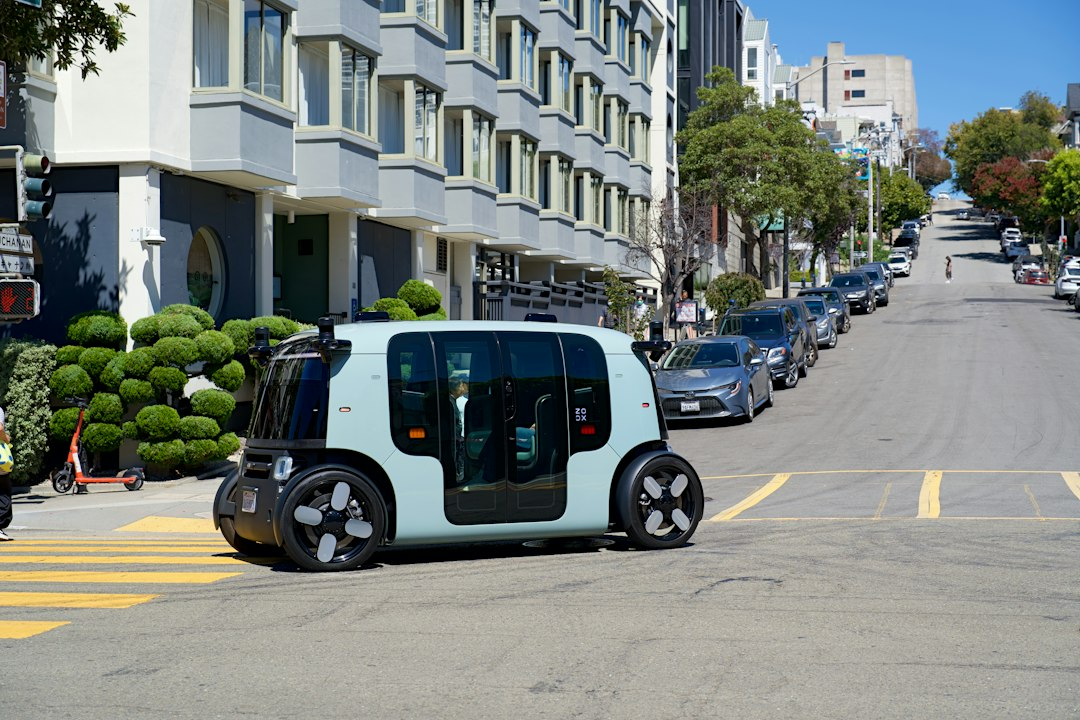
Darnell Ross sold his car two years ago. At 68, cataracts made night driving too risky, so he gave up the keys. Now a 7 a.m. appointment at the VA clinic in Lake Nona means calling a rideshare and hoping the morning surge price doesn’t double his fare. An Orlando autonomous shuttle that just started carrying its first riders could change that math.
On October 5, MOIA and Beep opened the first passenger rides anywhere in the United States for MOIA’s self-driving Volkswagen ID. Buzz vans, as Electrive first reported. The launch happened right in Lake Nona, the Orlando community where Beep has run local shuttles since 2019. A trained human monitor still rides along for now, but this marks MOIA’s first real passenger trips on American soil.
Why an Orlando Autonomous Shuttle Could Beat Your Rideshare Bill
Here’s the part that actually changes someone’s week: the price. Beep and MOIA describe the new service as microtransit, priced below typical ride-hailing fares. A short Uber or Lyft trip across Lake Nona can run $12 to $20 once surge pricing kicks in. If this shuttle lands anywhere near typical microtransit fares of a few dollars a ride, a rider taking three trips a week could keep $100 or more in their pocket every month. For someone on a fixed income, that’s not pocket change. That’s groceries.
The three fixed routes use set pickup and drop-off points instead of door-to-door hails. They cover what transit planners call the first and last mile, the short stretch between a bus stop or a medical campus and someone’s front door. Lake Nona is home to a cluster of hospitals, including a VA medical center and Nemours Children’s Hospital, so that stretch matters for plenty of patients and families who don’t drive.
Who Actually Benefits
- Older adults who’ve given up driving but still need to reach appointments and errands.
- Teenagers and younger residents too young to drive, heading to school, practice, or a friend’s house.
- One-car households where a second person needs a ride while the only vehicle is already out.
- Patients and visitors traveling to Lake Nona’s medical campuses without a car of their own.
Beep CEO Kevin Reid frames the bigger goal plainly:
“a future where opportunity and access can reach every corner of a community.”
That’s the real promise here, not just a van with no one behind the wheel.
A Decade-Long Bet on 5,000 Vans
MOIA and Beep aren’t stopping at Orlando. The partnership, announced back in April, aims to put up to 5,000 autonomous ID. Buzz vans into U.S. public transit systems over the next decade. They aren’t alone in chasing accessible transit, either. Around the same time, Benteler Mobility introduced an ADA-accessible autonomous shuttle built for transit agencies, with automatic wheelchair harnessing designed in from day one. That detail matters, because too many AV pilots bolt accessibility on as an afterthought instead of building for it from the start.
I’ve watched plenty of robotaxi launches promise to open up mobility for everyone, then quietly price out the people who need it most. This one reads differently to me, because MOIA and Beep are pitching it to public transit agencies and campuses, not just an app for riders who can already afford an Uber. It’s the same free shuttle network Lake Nona upgraded a while back, now getting its biggest technology leap yet.
If you live somewhere a city or transit agency is piloting microtransit, ask whether MOIA, Beep, or a similar partner is already in talks. Watch what the fare actually lands on once the waitlist opens. That number, more than the self-driving tech itself, will decide whether this truly expands who gets around easily and who gets left waiting on an app.