
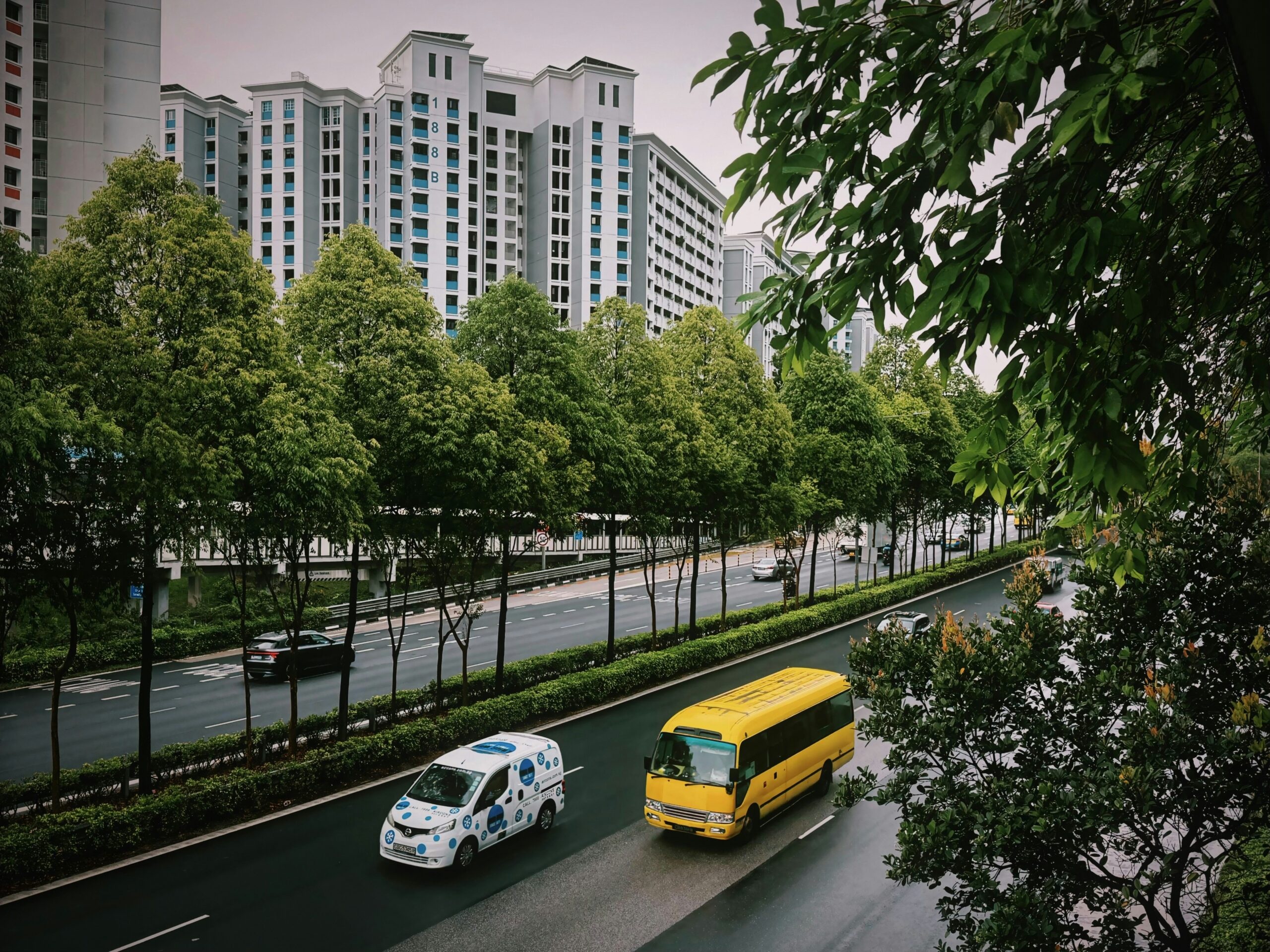
Picture Denise, 68, in Sanford, Florida. She stopped driving last year after knee surgery made highway merges too risky. Before that, a trip to her cardiologist meant asking her son to leave work early. Now she taps an app, and a small electric shuttle picks her up at her driveway. That is Seminole County’s SCOUT service, a preview of the autonomous microtransit push two Florida companies just merged to build.
This week, Freebee and Beep announced a merger. Freebee is the Miami-based microtransit operator that runs SCOUT. Beep is an Orlando company that builds self-driving software called AutonomOS. Together, the two now reach more than 60 communities and have carried over 10 million riders combined. The plan is simple: fold Beep’s driverless technology into Freebee’s fleet over time, so those same low-cost or free rides eventually arrive without anyone behind the wheel.
Why non-drivers should care about this autonomous microtransit deal
I have read plenty of autonomous shuttle press releases that promise big things and deliver one test route. This one reads differently, because the riders already exist. Freebee did not launch a demo last month. It delivered more than 2 million paid and free rides in 2025 alone, in cities like Miami Beach and Tampa, and on college campuses where students often skip owning a car entirely.
Merging that ridership with real driverless technology matters most for a few groups.
- Older adults who no longer drive but still need routine errands and medical visits
- College students who skip owning a car to save money
- Shift workers whose schedules do not match a fixed bus timetable
- Tourists and part-time residents who do not want to rent a car for a short stay
What it actually saves you
Owning even a modest car in 2026 adds up fast. Once you count the loan or lease payment, insurance, gas, and repairs, many households spend $700 to $900 a month. That is before parking. For someone like Denise, or for a student riding Freebee’s Tampa route to class, a free or dollar shuttle ride is not a nice extra. It can be the difference between carrying a car payment and skipping one entirely.
“Freebee was built around a simple belief that transportation should do more than move people. It should strengthen communities, expand access, and improve quality of life.”
Jason Spiegel, Freebee co-founder
Beep’s Move Nona shuttle in Orlando already shows this model works at scale. It has run fare-free since 2019. The community pays for the rides itself. Move Nona now holds the record as the longest continuously operating autonomous shuttle network in the country. The merger bets that the same formula can scale to dozens more cities, pulling the driver out of the seat without pulling out the free ride.
The catch, and what to watch next
Nothing about the driverless rollout is locked in yet. Beep’s leadership says new autonomous deployments will roll out community by community, and only when there is a clear mobility benefit for riders. That caution makes sense after a rough few years of AV headlines. It also means your city might wait a while for the driverless version of this service.
TechCrunch’s mobility team grouped this merger alongside Waymo’s expansion news and Zoox’s fleet growth this week. They called it part of a broader shift toward blended human and autonomous transit networks. That fits a pattern. Cities are done treating autonomous shuttles as novelties, the same way Washington state is chasing rural and disability access, and the way Shreveport already runs a free self-driving bus downtown.
If you live in one of the 60-plus communities Freebee already serves, check whether a route runs near your block. It might save you the cost of a second car, years before the driverless part even shows up.