
The DiDi driverless robotaxi trial just crossed a real threshold. Riders in Beijing and Guangzhou can now book a ride with nobody behind the wheel. They just open the DiDi app on their phone. DiDi Autonomous Driving pulled the human safety monitor out of its R2 robotaxi entirely. That single change tells you the company trusts its own technology enough to bet real passengers’ safety on it.
Why Removing the Driver Matters
Most “self-driving” rides you’ve heard about still had a trained employee sitting up front, ready to grab the wheel. This trial drops that layer. A rider in one of DiDi’s designated pickup zones calls a car, climbs in alone, and rides without anyone watching over the trip. That shift matters most for people who have felt uneasy handing their safety to software nobody has fully tested in public.
It also matters for regulators and cities weighing whether to allow this technology on their own streets. Every mile driven without an incident builds the track record officials need before they expand access further.
Inside the DiDi Driverless Robotaxi’s Safety System
The R2 backs up that confidence with real hardware. Thirty-three sensors, including lidar, cameras, radar, and infrared cameras, feed a triple-redundant computer built with backup power, steering, and braking. If one system fails, another takes over immediately. The vehicle has already logged more than 2,200 consecutive days of safe operation. It has also earned five-star crash ratings under both Chinese and European testing standards.
Those numbers protect more than the passenger inside. Pedestrians and cyclists on the same streets benefit too. A well-built self-driving system reacts faster and more consistently than a distracted or tired human driver.
Cheaper Rides and Everyday Comfort
The upgrade also cuts costs. DiDi says its new central computer costs 74% less to build than the last generation, even while it packs in twice the sensors. Lower hardware costs tend to trickle down to lower fares over time. Mei, a nurse in Guangzhou who works overnight shifts and has never owned a car, used to budget carefully for a late-night taxi home after her shift; a cheaper driverless ride could mean that trip stops being a splurge. That could make driverless rides a genuinely affordable option for commuters who don’t own a car, rely on public transit, or simply can’t drive themselves.
Riders get comfort upgrades, too. The cabin includes adjustable seats, a large ceiling screen, and voice controls for temperature and lighting. Details like these make a driverless ride feel like a normal part of the day instead of a novelty.
More Cities Are Next
DiDi isn’t stopping in China. The company plans to bring the R2 to the United Arab Emirates later this year, with global deployment as the long-term goal. Every new city that adds driverless service gives more people a safer way to reach work, school, or a doctor’s appointment. That matters most for people who don’t own a car or can’t get a driver’s license.
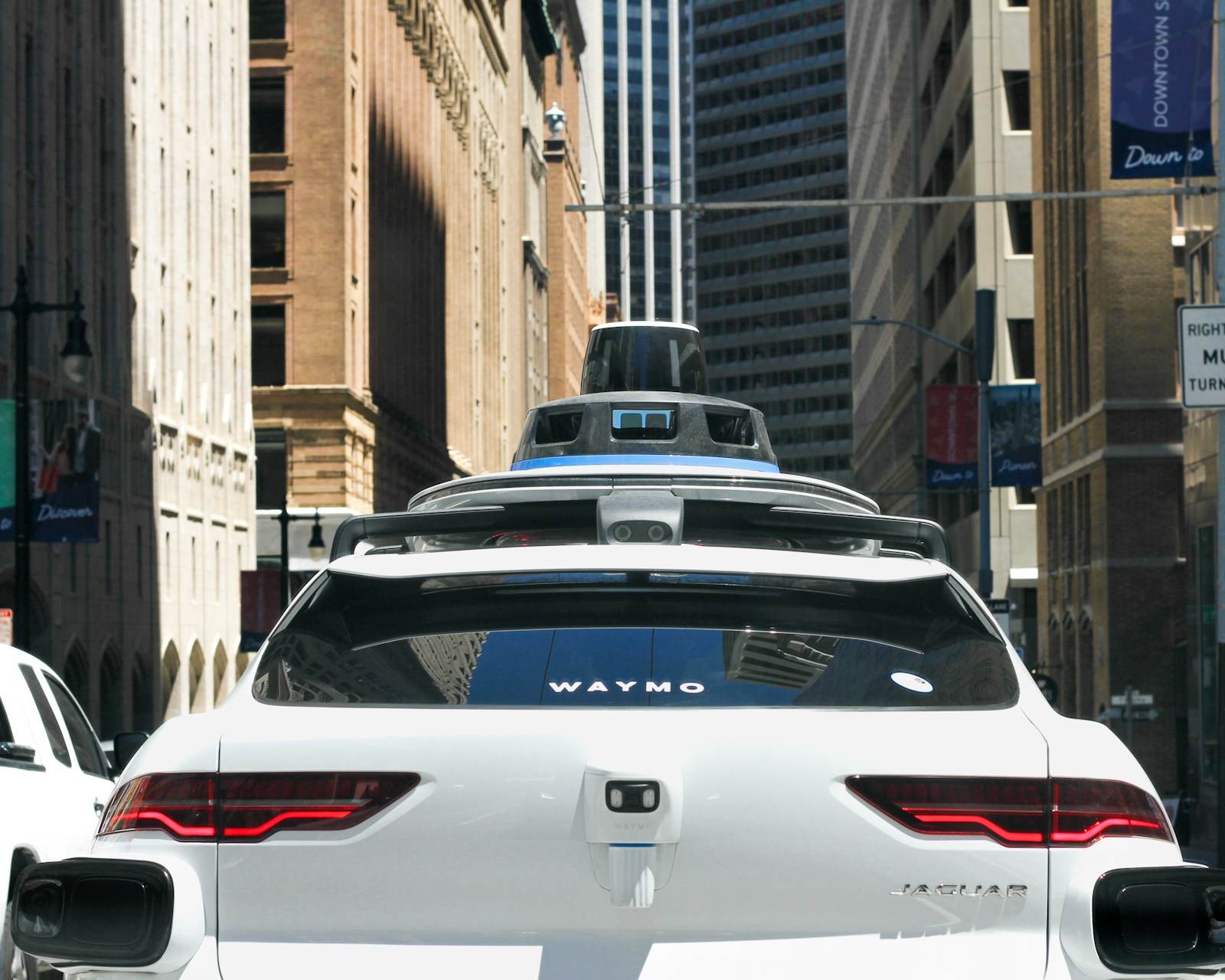
Regulators elsewhere are already responding to this shift. Texas recently passed a new law that gives state officials more power to pull unsafe self-driving cars off the road. Waymo’s own safety data shows autonomous vehicles already crash far less often than human drivers do. Stories like these show the technology maturing from a cautious experiment into everyday transportation.
Pulling the safety driver isn’t a small technical footnote. It’s a public statement that DiDi believes its own numbers. And it’s exactly the kind of proof point that builds trust before driverless rides can spread to more cities and reach more riders who need them.