
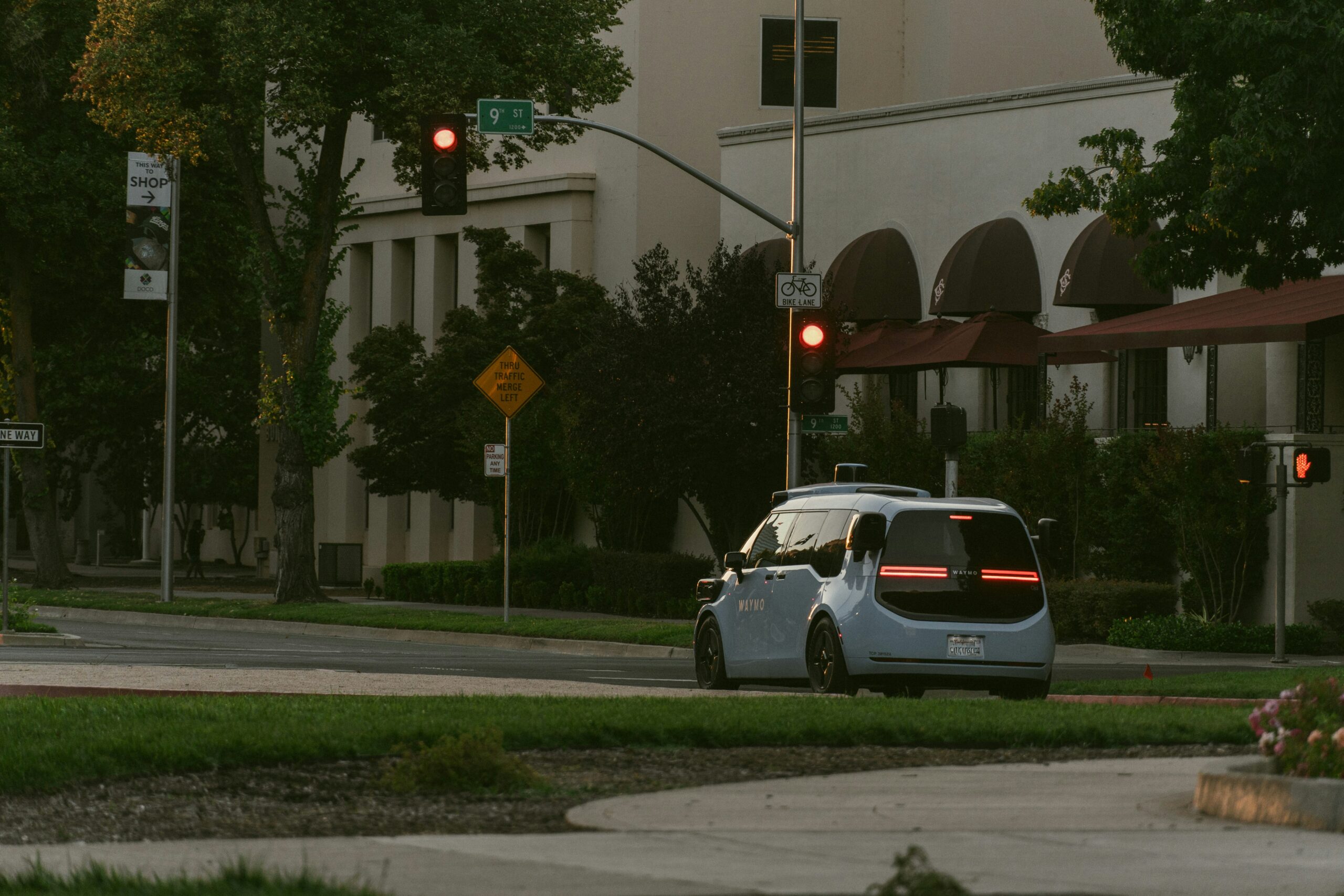
Amazon’s self-driving unit just gave Houston commuters a reason to watch the road differently. Zoox will start mapping Houston streets this month, and the Zoox robotaxi Houston rollout brings San Diego along for the ride too. For residents who don’t drive, can’t drive, or just want a safer trip home, that news matters more than another tech headline.
A Big, Spread-Out City Gets a New Option
Houston sprawls across hundreds of square miles. Public transit covers only part of it, so many residents drive everywhere or lean on family, friends, and rideshare apps to get around. Zoox called Houston its “most sprawling market to date.” The company points to long service roads, tricky merges, and weather that swings from severe heat to sudden flooding.
That honesty matters. Zoox isn’t promising driverless rides overnight. The company will send retrofitted SUVs with trained human safety drivers through downtown, tourist spots, and neighborhoods first. Those vehicles will map every curb, light, and crosswalk before any car drives itself. Zoox put it plainly: “Safety and operational readiness govern the pace of our rollout.” CultureMap Houston covered the rollout plan in detail this week.
Why the Zoox Robotaxi Houston Design Helps More Riders
Once the fully autonomous vehicles arrive, riders won’t see a steering wheel or pedals. Zoox built its car from scratch for passengers, not drivers. Seats face each other in a roomy cabin, and sliding doors open wide. That layout gives more breathing room to a senior with a cane or a parent wrestling a stroller. A wheelchair user gets space to settle in, too. A retrofitted sedan can’t offer that. A purpose-built cabin can.
Houston already hosts Waymo’s robotaxi service and Tesla’s early rides, so Zoox becomes the third option on the same streets. More competition tends to push prices down and shorten wait times. That helps anyone who counts on ride-hailing to reach a job, a doctor’s appointment, or the grocery store. For someone who spends $15 to $20 on a typical rideshare trip today, even a modest price drop from added competition adds up to real savings over a month of daily commutes.
Safety Built In From the Start
Zoox already carries paying passengers in Las Vegas, where the company logged its early safety record before charging a single fare. That same cautious approach now heads to Texas. Every mile of mapping cuts the odds of a surprised pedestrian or a missed stop sign. It also lowers the odds of a driver who never sees a cyclist until it’s too late. Slow, deliberate rollouts aren’t exciting, but they’re how a new technology earns real trust on real streets.
San Diego gets the same treatment. Zoox will run mapping vehicles there alongside the Houston effort, bringing the company’s total footprint to a dozen U.S. cities. Neither city has a passenger launch date yet, but the direction is clear: more places, more riders, and one more safe way to get home.
For a commuter without a car, a retiree who gave up driving, or a visitor who doesn’t know the roads, that’s a real, practical gain. It won’t fix Houston’s sprawl or replace transit funding. But it gives one more group of people a dependable, careful ride when they need one.