
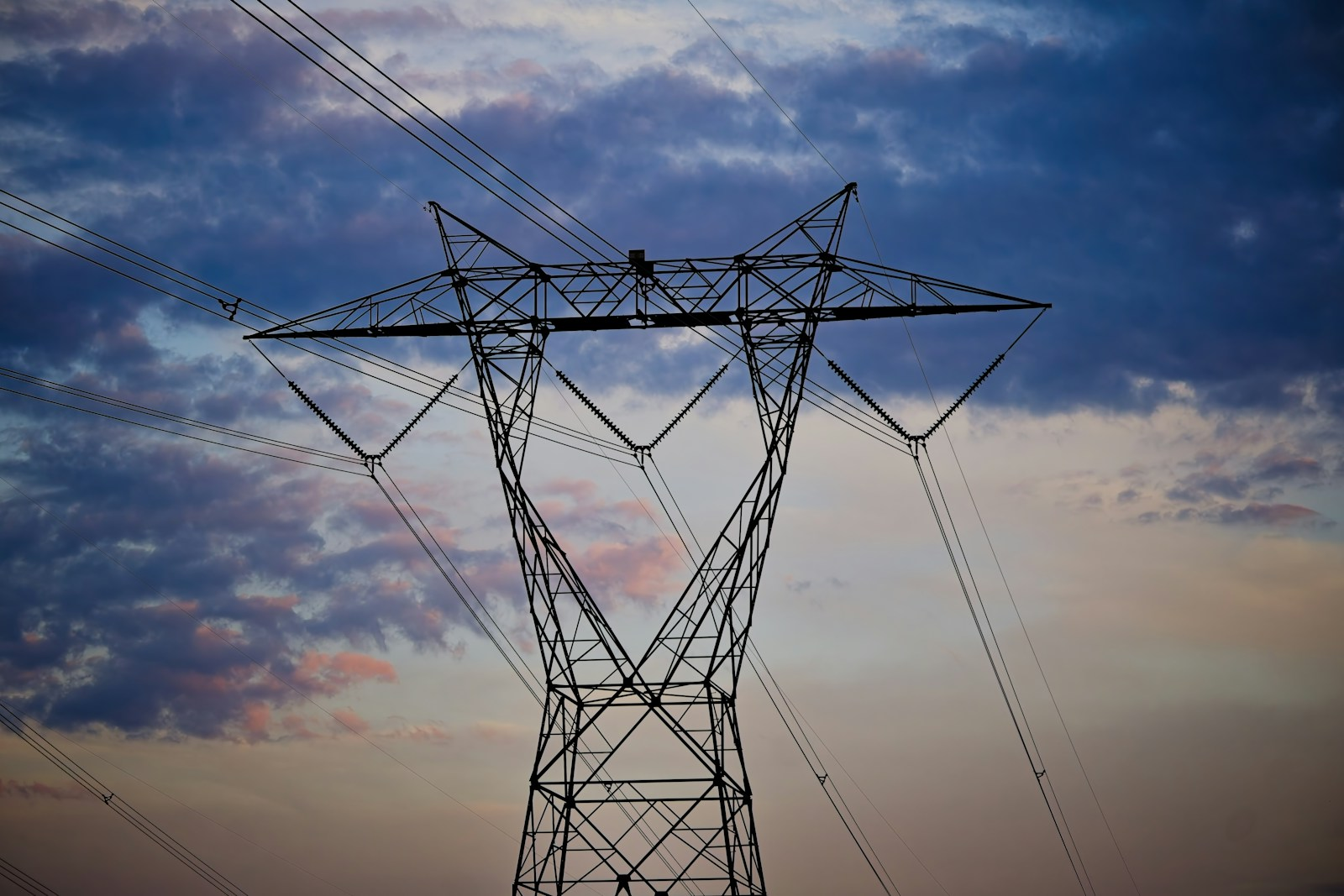
On September 21, 2026, Georgia Power announced an agreement with Google tied to uprates at its nuclear units at Plant Vogtle and Plant Hatch. Georgia Power says the uprates on its share of the units would add about 96 megawatts to the grid. It projects about $900 million in benefits to its customers over the life of the units. The plan needs approval from the Georgia Public Service Commission.
What is an uprate?
An extended power uprate raises the licensed output of an existing reactor. Crews replace or modify equipment such as turbines and related plant systems. The reactor building and the site stay in place. It adds capacity faster than a new plant, although each uprate still needs NRC review.
Who pays for the uprates?
Google would subscribe to a new Georgia Power tariff called NU-1. In return, Google would receive zero-emission credits tied to the carbon-free power from the uprated units. A zero-emission credit represents the carbon-free attributes of that power, and Google can count it toward its own clean energy goals. Georgia Power says the structure protects customers who do not take part from the incremental costs of the uprate work. The structure was first contemplated in the utility’s 2025 Integrated Resource Plan.
The Atlanta Journal-Constitution reports that Google pays a premium for the new electricity. It also reports that Georgia Power plans to use federal and state tax credits and a pending Department of Energy loan guarantee to offset some upgrade costs. The AJC notes the approach departs from the usual practice of recovering infrastructure costs from all customers through monthly bills. The subscription agreement was fully redacted in the public filing, so the price Google would pay is not public.
Why It Matters to You
If you’re a Georgia Power customer, the utility expects the Google revenue to put “downward pressure” on rates, meaning rates would be lower than they would otherwise be. That is a utility projection, not a promise of a lower bill, and no specific bill change has been stated. Nothing has been approved for Hatch yet, and the new output is several years away. For everyone else, the deal is an example of a technology company paying for extra output at existing reactors.
Which plants, and when?
| Plant | Units and current output | State approval | NRC applications expected |
|---|---|---|---|
| Hatch, near Baxley | Units 1 and 2, 1,793 MWe combined | Pending | Q2 2027 |
| Vogtle, near Waynesboro | Units 1 and 2, 2,338 MWe combined | Approved in the 2025 IRP | Q4 2028 |
The table reflects ANS Nuclear Newswire’s reporting, which cites the NRC’s list of expected uprate applications. Vogtle Units 3 and 4, the newer reactors, are not part of the plan. The release gives no construction or in-service dates, and the NRC’s expected application dates suggest the new output is several years away.
Which approvals are still needed?
The Georgia PSC must approve the agreement, the NU-1 tariff, and the Hatch uprate. The NRC must also review uprate applications for the units. Neither the NRC nor the PSC has approved the Hatch uprate, and no source we reviewed shows an NRC approval for any of these uprates.
How solid are the numbers?
The $900 million is a Georgia Power projection of benefits over the life of the units. The release does not give the discount rate, the time span in years, or the method. The 96 megawatt figure covers only Georgia Power’s owned share of the units. The AJC rounds it to roughly 100 megawatts, and says Georgia Power owns 50.1 percent of each reactor.
Sources
- Georgia Power: Georgia Power agreement with Google to provide approximately $900 million in projected benefits for customers and advance nuclear energy in Georgia (Sep 21, 2026)
- ANS Nuclear Newswire: Google, Georgia Power announce partnership to uprate plants (Sep 23, 2026)
- Atlanta Journal-Constitution: Georgia Power nuclear reactors to get huge face-lift, paid partly by Google (Sep 22, 2026)