
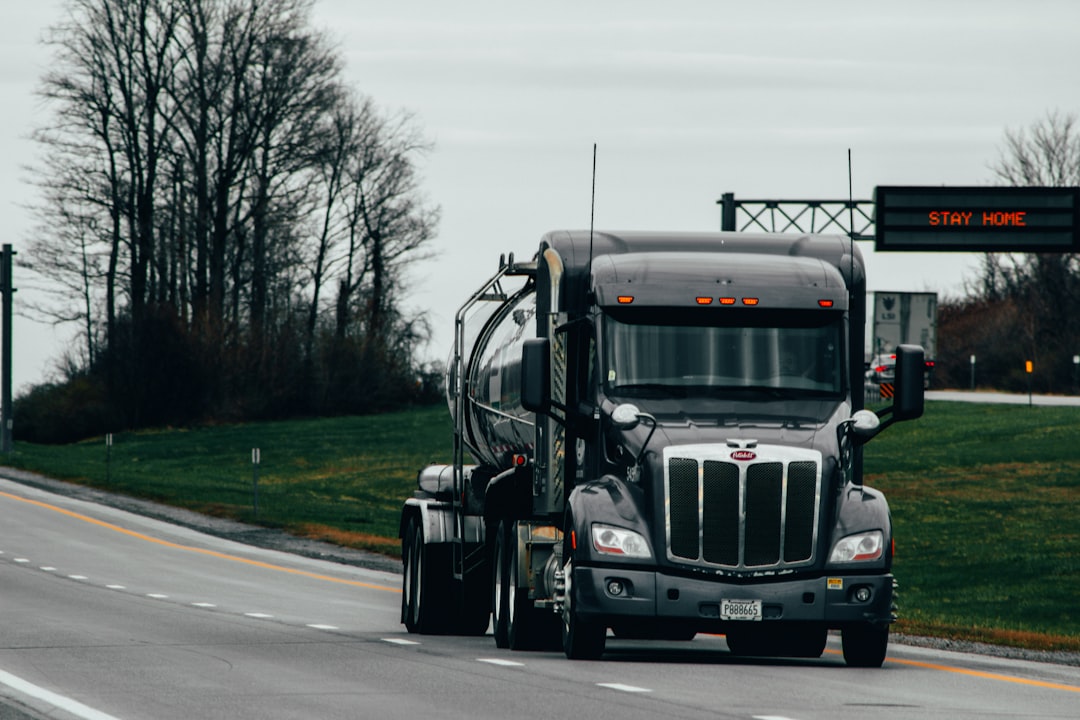
Gatik’s driverless trucks are already hauling your groceries, and nobody sits behind the wheel. The California company just raised $200 million to grow its fleet across the US and Canada. But the bigger news isn’t the money. It’s what’s already running. Dozens of trucks now move Walmart, Kroger, PepsiCo, and Tyson products between warehouses and stores across Texas, Arizona, Arkansas, and Ontario. No human driver rides along.
Shoppers Get Shelves That Stay Stocked
Gatik’s trucks have completed more than 85,000 fully driverless deliveries so far. They hit their delivery window on time 99% of the time. That reliability matters most for perishable and frozen goods, the items that spoil fastest when a truck runs late. Shoppers benefit in a way they’ll never notice directly. The milk, produce, and snacks they expect just show up on time. The truck carrying them doesn’t call in sick. It doesn’t hit a legal limit on driving hours. It doesn’t need to stop for the night.
Gatik’s Driverless Trucks Fill a Job No One Else Can
The US trucking industry had roughly 82,000 unfilled driver positions in 2026, and that gap could grow past 160,000 by 2031. Nobody wants to drive the same short, repetitive route back and forth all day, every day. That’s exactly the kind of route Gatik’s trucks handle. They run fixed lanes between distribution centers and stores. They keep moving around the clock, skipping the rest breaks federal law requires for human drivers. For retailers, that means fewer delivery gaps caused by a shortage they can’t hire their way out of fast enough.
Small Retailers and Local Stores Feel the Difference
PepsiCo now runs 41 Gatik trucks carrying Frito-Lay products to roughly 250 stores across Dallas, Phoenix, and Northwest Arkansas. Loblaw runs 50 trucks through a five-year deal in the Toronto area. Those routes keep neighborhood grocers and small retailers stocked just as reliably as big chains. No store has to compete for the same scarce pool of drivers.
A Safety Record Built Mile by Mile
Gatik didn’t remove its safety drivers overnight. The company has run its Walmart route since 2019. It pulled the human safety driver in 2021, only after months of supervised runs on that exact corridor. Its trucks layer lidar, radar, and cameras to read the road. Gatik also tests every software update in simulation before it ever reaches a real truck. That cautious, route-by-route approach builds trust mile by mile. It’s why regulators and retailers now let these trucks run without anyone on board, according to a report from Tech Times.
Gatik isn’t the only company changing how goods reach your door without a driver. Aurora’s driverless trucks already carve out long-haul highway lanes across the Sun Belt. Meanwhile, autonomous delivery robots handle the last few blocks in more neighborhoods. Together, these projects chip away at the same problem from different directions. They’re getting everyday goods to people reliably, even when there aren’t enough human drivers to go around.
For families, that means fewer trips to a store with empty shelves. Rural towns often depend on a single trucking route for food and supplies. A driverless option makes that route less likely to break down over a driver shortage. And for the drivers themselves, the most repetitive, grinding routes can shift to machines. People can move into the routes and jobs that actually need a human behind the wheel.