
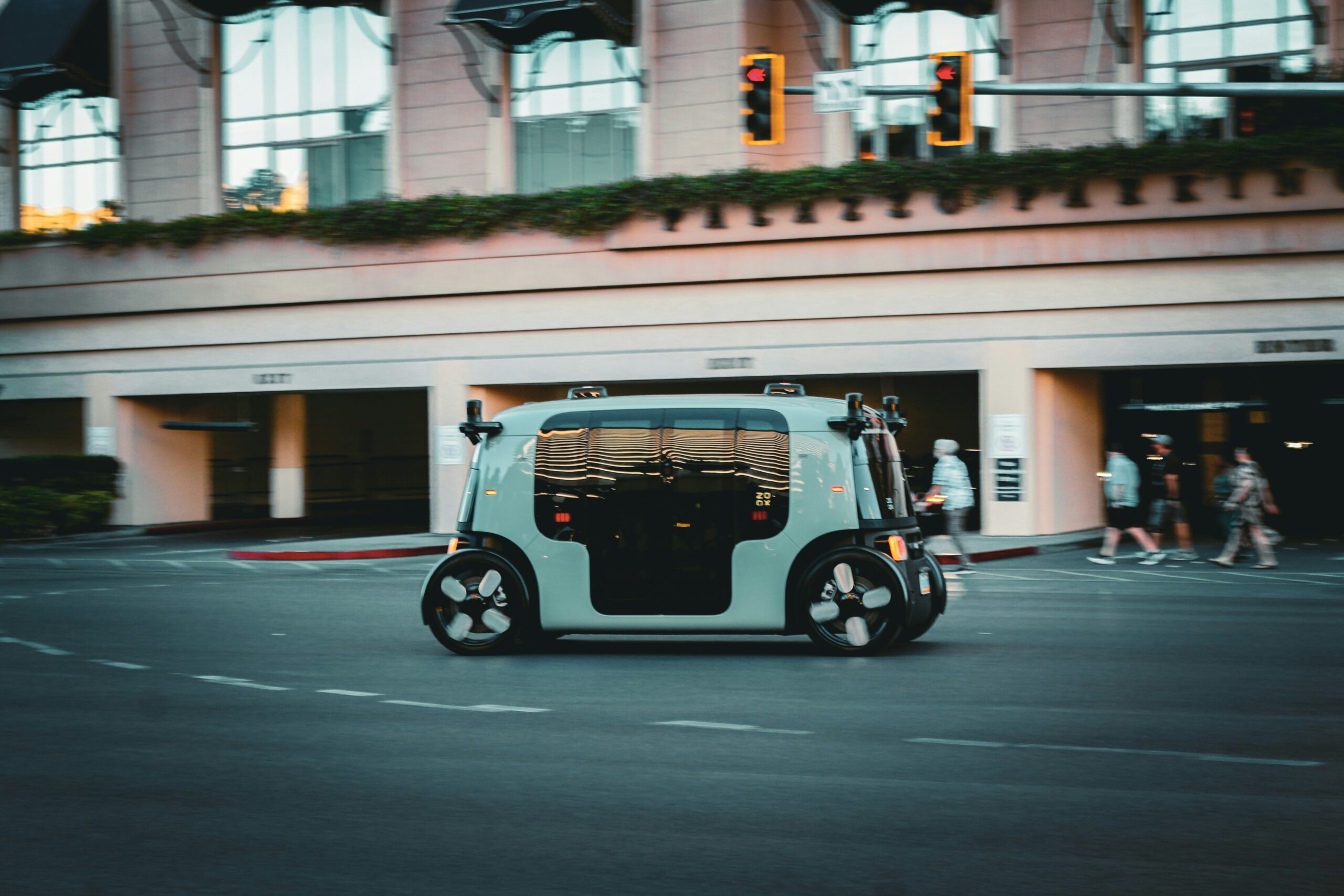
Tesla just made its robotaxi service more useful for daily life. The Tesla robotaxi expansion adds four extra hours of service each day and puts smarter routing behind every pickup, so riders in six U.S. cities wait less and go more places.
The service now runs from 6 a.m. to 10 p.m., seven days a week, in Austin, Dallas, Houston, Miami, Orlando, and Tampa. That covers early commuters heading out before sunrise and people coming home from dinner or a late shift. A rider who used to lose access after a certain hour now has a safer way home.
Who Actually Benefits From the Tesla Robotaxi Expansion
Commuters gain the most obvious win. Someone catching an early flight or starting a 6 a.m. shift can book a ride instead of scrambling for a rideshare driver or leaving a car at the airport for a week. Evening riders benefit too. A night out no longer means choosing between driving home tired or paying surge prices for a rideshare.
The expansion also matters for people who don’t drive at all. Older adults, people with vision or mobility limitations, and households that gave up a second car all gain more hours in the day when a self-driving ride is actually available to them.
Faster Pickups, Not Just Longer Hours
Tesla also upgraded how it distributes vehicles across each city. The company says its routing system now predicts where demand will spike and moves cars into position before riders even open the app, according to Tesla’s own announcement. Riders spend less time standing on a curb, and that adds up fast for anyone juggling a tight schedule.
The bigger safety story sits underneath the schedule change. Tesla’s robotaxis in these six cities now operate fully unsupervised, with no safety monitor riding in the front seat. Regulators and Tesla both had to clear a high bar before removing that human backup from the car. A larger unsupervised fleet signals that the technology has logged enough safe miles to earn that trust.
More Cities Are Following Suit
Other cities are moving the same direction. Nevada regulators recently cleared thousands of robotaxis for the Las Vegas area, and Denver riders are getting their own new robotaxi service. Each expansion gives more people a real alternative to driving themselves or waiting on an unreliable ride.
None of this replaces public transit or makes car ownership unnecessary overnight. But for a parent picking up a late shift, a retiree who no longer wants to drive at night, or a traveler landing at 9 p.m. with no car of their own, four extra hours of closely-monitored self-driving service is a real, measurable improvement to an ordinary day.