
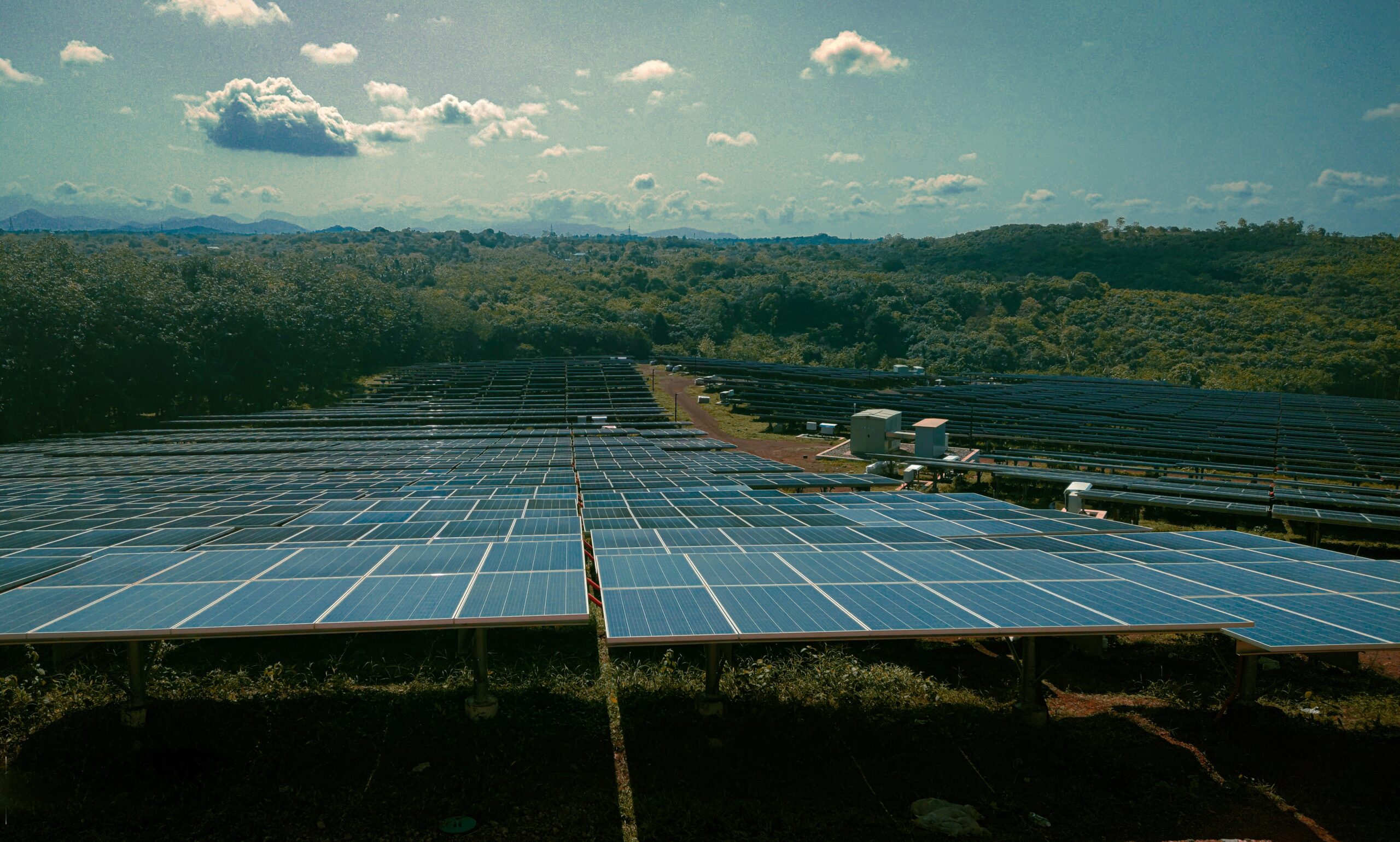
Picture losing power eight times a day, every single day, for a year. That was daily life across the Comoros islands in 2024, when the archipelago logged roughly 3,000 blackouts while paying dearly for electricity made almost entirely from imported diesel. This month, that math finally started to shift. President Azali Assoumani switched on three new solar plants and battery systems that bring cleaner Comoros solar power to an estimated 17,500 households, and the ripple effects reach far beyond a lower bill.
Abu Dhabi’s Masdar built the plants with roughly $23 million from the Abu Dhabi Fund for Development, and Global South Utilities now runs them. Ecofin Agency covered the full financing breakdown, but the numbers behind the ribbon-cutting tell the real story of who gains and how.
A Grid Held Together by Diesel and Duct Tape
Before this month, diesel generators supplied 91 percent of the country’s electricity. Demand had climbed to roughly 254 gigawatt-hours a year, yet the aging fleet of generators could only produce about 150 gigawatt-hours. That gap showed up as rolling blackouts, spoiled food in refrigerators, and shops closing early because the lights simply weren’t on. Producing that diesel power cost the government about $0.76 per kilowatt-hour, while households paid closer to $0.43. Somebody covered that gap every day, and it wasn’t sustainable.
What Comoros Solar Power Actually Changes for Families
The new capacity spreads across all three main islands: 12.86 megawatts on Grande Comore, 4.05 megawatts on Anjouan, and 3.1 megawatts on Mohéli, backed by 16 megawatt-hours of battery storage and roughly 30 kilometers of new power lines. Together, the plants should generate about 33.75 gigawatt-hours of clean electricity a year, enough to cover more than a fifth of the power the country actually produces today.
That shift matters because the batteries store surplus midday sunshine and release it after dark, exactly when diesel generators used to strain hardest and blackouts hit families cooking dinner or running fans in the heat. Clinics can keep vaccines cold. Students can study after sunset. Small shopkeepers can keep freezers running instead of tossing spoiled stock. It’s the same basic promise behind projects like Delaware’s community solar push, which is slashing power bills for 16,000 households, and a Virginia solar deal that’s cutting bills while saving a family farm: solar and batteries turning an unreliable, expensive grid into something people can count on.
Cleaner Air, Steadier Power, and a Blueprint for Other Islands
Swapping diesel for sunshine also keeps roughly 20,900 tonnes of carbon dioxide out of the air every year, in the same ballpark as what 4,500 gasoline cars emit annually, using the EPA’s typical per-vehicle estimate. For an island nation already facing rising seas and stronger storms, that’s not an abstract figure. It means fewer diesel fumes drifting through neighborhoods and less strain on a climate that’s already reshaping the coastline these families call home.
Grid losses still run near 37 percent because of aging infrastructure, so nobody should call this problem solved. But Global South Utilities says it has more than 150 megawatts of additional solar in development or already delivering power across Africa, so other diesel-dependent communities could see their own version of this story soon. For the 17,500 households now running on sunlight instead of imported fuel, cleaner air and a steadier grid aren’t someday promises. They started this month.