
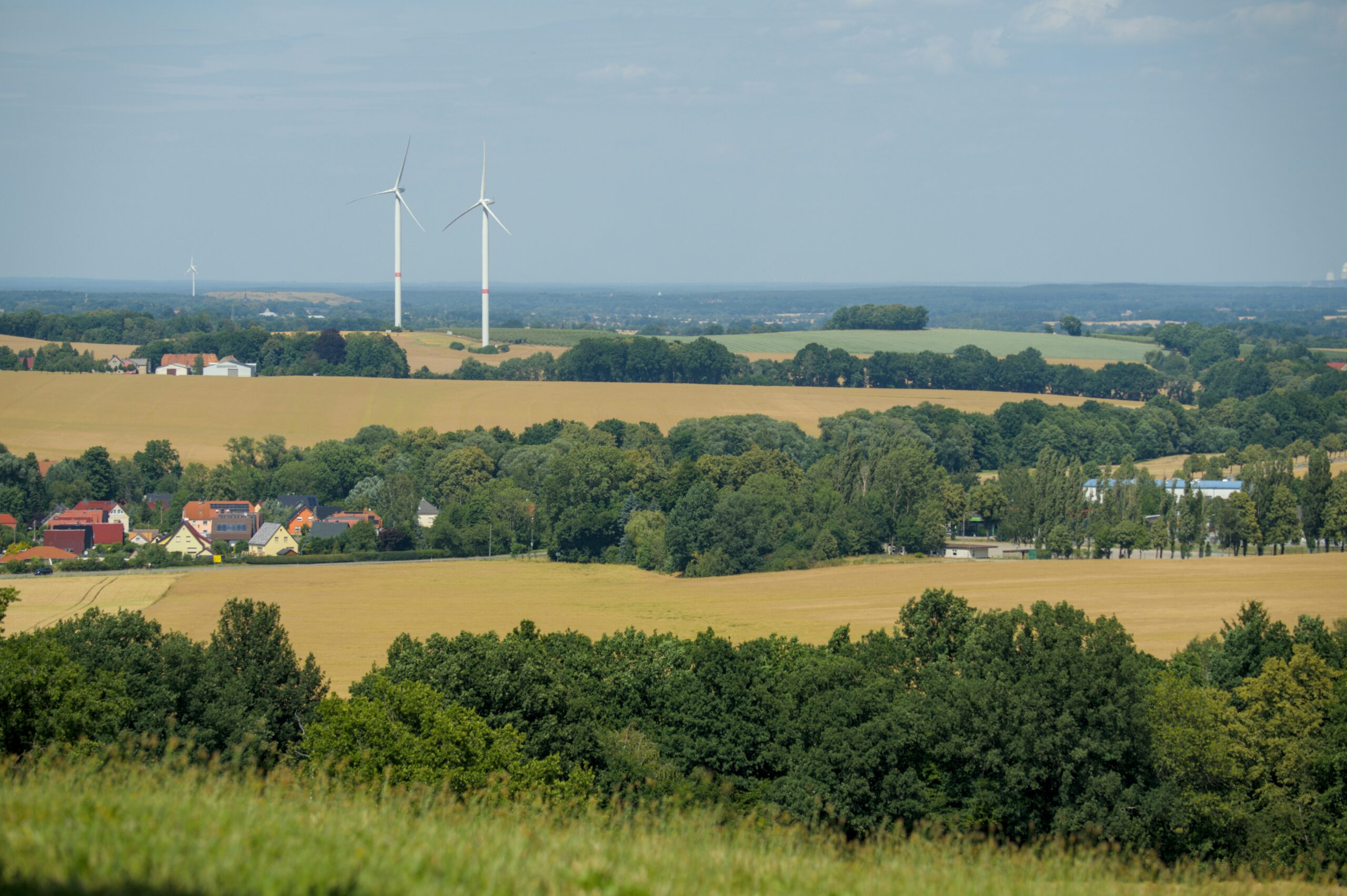
A new wind farm in the hills of Powys, Wales, is about to change life for thousands of nearby families. The Carno III wind farm will start generating power this autumn. It will send enough clean electricity to the grid to run 46,000 homes every year. That’s not a distant promise. Crews have already installed the turbines, and the switch to full power is weeks away.
Contractor Jones Bros built Carno III as part of a three-farm cluster with roughly 100MW of combined capacity across 78 turbines. It’s the company’s highest-value wind contract in Wales to date, and it shows how much weight the country is putting behind local, homegrown power.
What the Carno III Wind Farm Means for Local Families
Wind farms don’t just send power to the grid. They also fund the towns around them. Carno III comes with a community benefit package worth £3.5 million over the project’s lifetime. That money goes straight into the region: youth programs, energy efficiency upgrades for local homes, town infrastructure, and grants that residents can actually apply for. Gwen, who runs a youth football club in a village near the turbines, is already drafting an application for one of those grants to replace equipment her club could never afford on its own. Families in Powys won’t just watch turbines spin on the hillside. They’ll see the payoff in their own neighborhoods.
Cleaner Air and Restored Land
The environmental math is just as real. Carno III will keep about 65,000 tonnes of carbon emissions out of the atmosphere every year. That’s roughly what 14,000 gasoline cars produce annually. Builders paired the turbines with more than 350 hectares of habitat enhancement and peat restoration. Healthy peatland locks away even more carbon and gives local wildlife a place to recover. The benefits reach past the electric meter and into the landscape itself.
This kind of project fits a pattern playing out across the renewable energy world right now. In the U.S., the Revolution Wind offshore project will power 350,000 homes once it comes online. It proves wind energy can scale up fast when communities and grid operators commit to it together.
A Bigger Push Across Wales
Carno III isn’t a one-off. It’s the third phase of a cluster that also includes 20 kilometers of underground cabling and grid upgrades built to carry the extra power reliably. Wales is treating wind power as long-term infrastructure, not a side project, and that mirrors moves in the U.S. too, where Wisconsin’s new solar, wind, and battery buildout is creating jobs while powering 100,000 homes.
For the households near Carno, the takeaway is simple. Cleaner power is coming, crews are restoring local land, and real money is flowing into their community, not just into a utility’s balance sheet. That’s what a renewable energy project looks like when developers design it to serve the people who live next to it, not just the grid it feeds.
Source: Energy Live News