
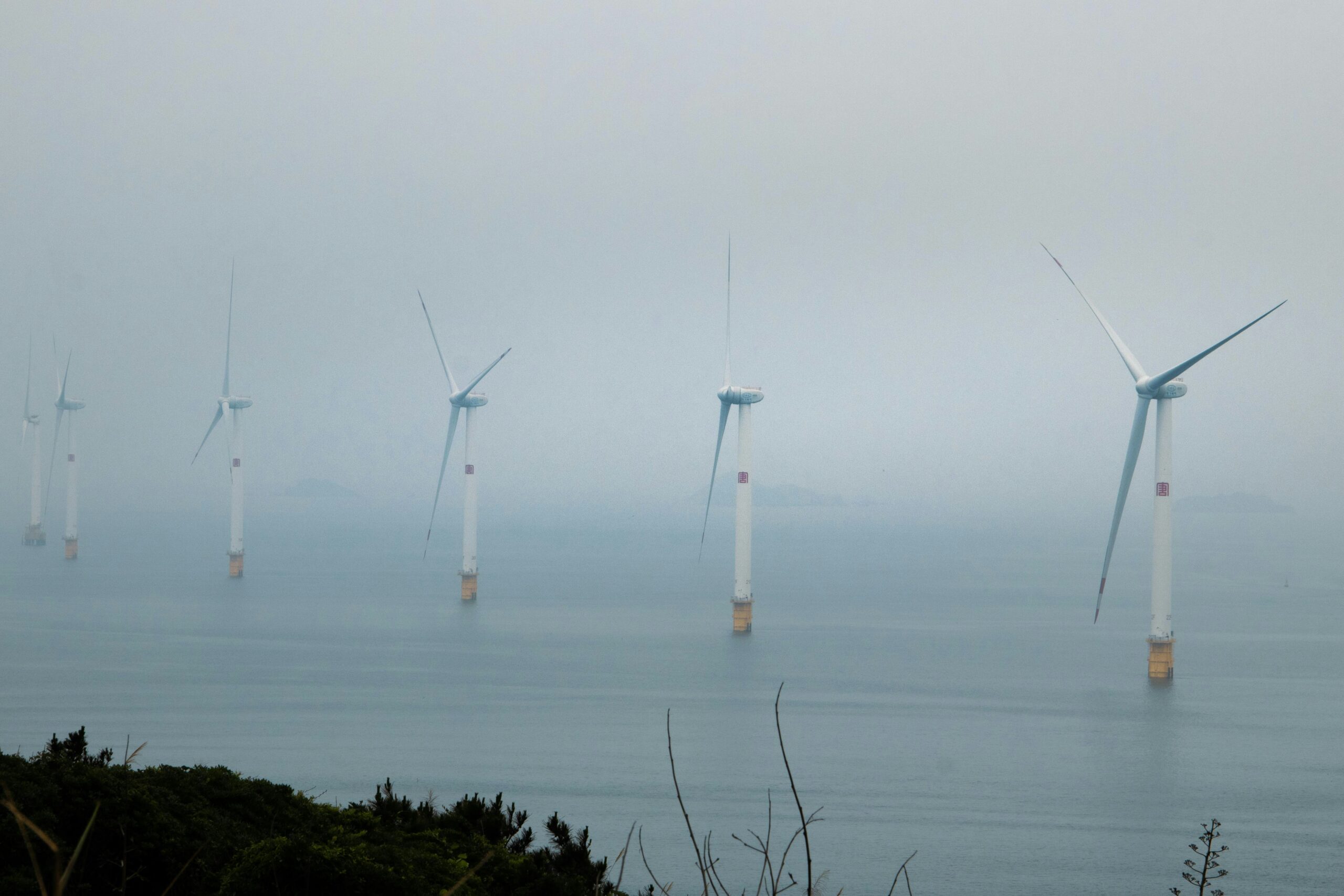
Ørsted’s Revolution Wind offshore wind farm just crossed a major milestone off the coast of New England. Crews have installed 61 of the project’s 65 turbines in the waters between Rhode Island and Connecticut. Revolution Wind powers homes across the region already, since the farm started sending electricity to the grid back in March. When workers finish the final four turbines later this year, the 704-megawatt facility will generate enough clean power for more than 350,000 homes. Connecticut Public reports the developer expects full completion by the end of 2026.
That number covers a lot of everyday households. Renters in Providence draw power from the same regional grid. So do homeowners in New London and small business owners along the Connecticut shoreline. Nobody has to install anything or sign up for a special program. The clean electricity just flows in alongside power from every other source on the grid.
How Revolution Wind Powers Homes Without Raising Bills
Connecticut and Rhode Island utilities locked in their power purchase agreements years ago, before turbine costs climbed the way they have industry-wide. Connecticut agreed to buy electricity from Revolution Wind at 9 cents per kilowatt-hour for 20 years. Customers in the state currently pay between 9 and 12 cents per kilowatt-hour for grid electricity. That locked-in rate holds steady even as other costs rise elsewhere on the grid. NBC Connecticut reports the project could save New England ratepayers roughly $500 million by 2028. Connecticut customers alone are projected to see about $125 million of those savings.
Savings like these don’t always show up as a smaller number on a monthly bill. Other costs can offset them. But locking in affordable clean power now protects families from bigger price swings down the road.
Cleaner Power for New England Communities
Offshore wind turbines generate electricity without burning anything. That means no smokestack emissions from the turbines themselves, unlike the natural gas plants that often ramp up during hours of peak demand. Those “peaker” plants tend to sit in or near lower-income neighborhoods. Running them less often means cleaner air for the people who live closest to them. Revolution Wind adds a steady supply of zero-emission power. That extra supply can take pressure off those older, dirtier plants.
Offshore wind isn’t the only clean power source scaling up this year. A solar project in the UK, the Beacon Fen solar farm, is on track to power 130,000 homes. It pairs solar generation with battery storage, much like Revolution Wind pairs turbines with grid upgrades. Projects like these show how different renewable technologies can work in parallel. Together they cut fossil fuel use across different grids.
A Rocky Road, Now Nearly Behind It
Revolution Wind’s path here wasn’t smooth. A federal stop-work order briefly halted construction last year, and developers had to fight the pause in court before work could resume. That legal fight is over now. Ørsted says the project is more than 95% complete, and the remaining four turbines should go up within the next few months. For the households waiting on that power, the delay is turning into a footnote rather than a setback.
Big offshore projects like this one work alongside smaller programs too. Community solar programs are already cutting some households’ electric bills by up to 21%. Together, these programs give families more than one path toward lower energy costs. The power might come from turbines offshore or panels down the street. Either way, the direction is the same. More clean electricity means more competition for expensive fossil fuel power, and more savings that reach regular people’s bills.