
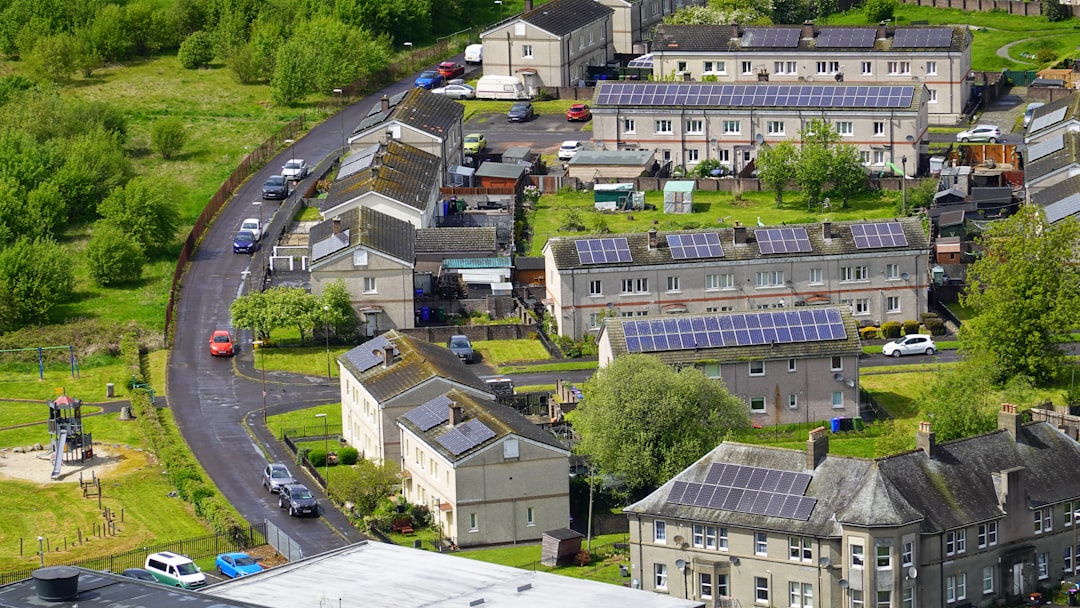
Renters and homeowners with shaded or north-facing roofs just got a new way to shrink their power bills, and they don’t need to install a single solar panel. East Windsor Township in New Jersey launched a community solar program this month that offers residents up to 21% off their electric bills. Signing up costs nothing, and residents keep their current utility company.
That kind of community solar savings matters because rooftop solar has never worked for everyone. Renters can’t put panels on a landlord’s roof. Homeowners with shaded yards or aging roofs often get quotes that never pay off. Community solar closes that gap. Instead of installing your own system, you buy into a share of a solar array built somewhere else, like a warehouse roof, a former landfill, or an open field.
How Community Solar Savings Work
Signing up doesn’t touch your existing electric service. You keep the same utility, the same wires, and the same bill format. The shared solar array feeds clean power into the grid, and your utility applies a credit to your bill based on your share of that generation. East Windsor residents can save up to 21% this way, though the real number moves with how much power the array produces and the terms of the subscription.
Who Benefits Most
Carla, a renter in East Windsor who has spent three years watching her electric bill climb with no say over her building’s roof, signed up the week the program opened. She is exactly who this model reaches: people that rooftop solar leaves behind. Apartment dwellers, renters, and anyone whose roof can’t host panels finally get a way to buy into clean power. Households on a tight budget get a straightforward way to shrink a bill that arrives every month, without financing a home improvement project or waiting years to break even.
Programs like this are popping up nationwide. In New Mexico, a similar community solar project reserves half its output for low-income households, and a University of New Mexico study projects that programs like it could create over 3,700 clean energy jobs across the state in the next five years. East Windsor’s program follows that same national trend: open the door to clean, affordable power for people who couldn’t access it before.
A Bigger Win for the Grid and the Planet
Every new subscriber adds demand for more solar generation, which pushes utilities and developers to keep building clean capacity instead of leaning on fossil fuel plants. More solar on the grid means fewer tons of carbon dioxide in the air and cleaner air for neighborhoods near power plants. For someone like Carla, paying $150 or $200 a month for electricity, a 21% discount adds up to real relief, money that can go toward groceries, rent, or savings instead.
Big projects like the Beacon Fen Solar Farm, which will power 130,000 homes, already show how large-scale solar drives down costs across whole communities. Community solar takes that same idea and makes it available to households that could never host a project of their own. As more towns adopt this model, affordable clean energy stops being reserved for homeowners with the right roof and becomes available to nearly anyone with an electric bill.