
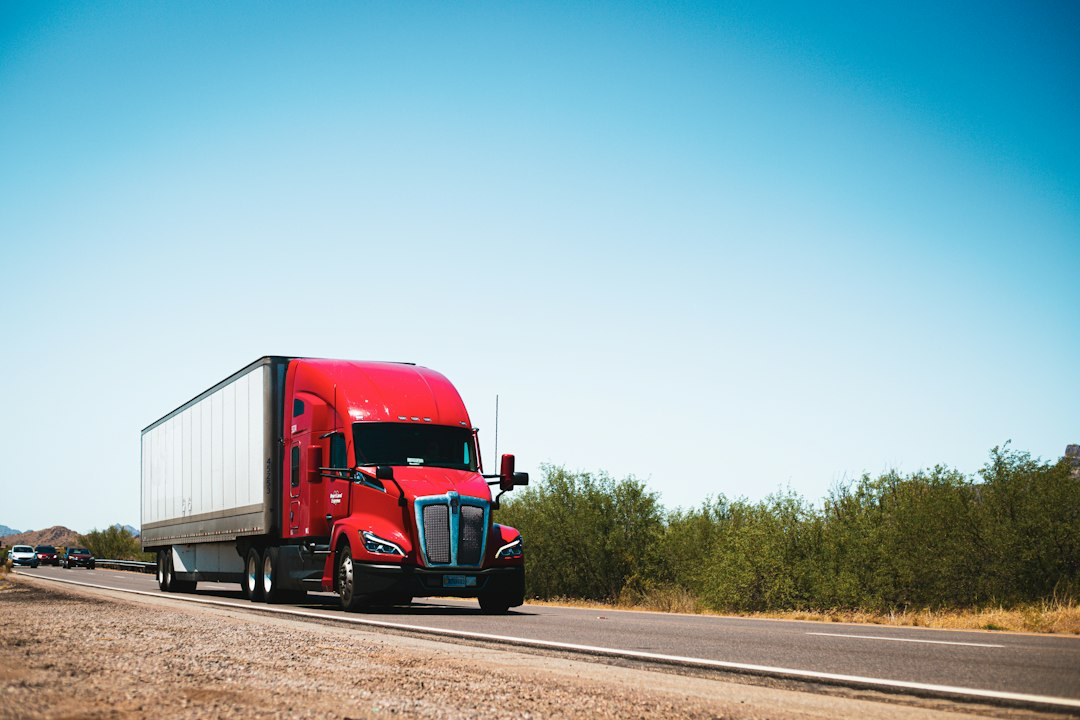
Picture a truckload of romaine lettuce leaving a Fresno field at dawn. Six hours later, it needs to sit in a Los Angeles grocery cooler, still cold and crisp. That timeline has run on human drivers for decades. This week, part of it ran without one behind the controls, for the first time on a California highway. Autonomous truck grocery delivery just stopped being a research project and became a real supply chain.
Kodiak AI and a Fresno trucking company called DTL Transport sent a truck down State Route 99 and Interstate 5. The truck used self-driving software. It hauled real produce bound for major grocery chains, with a trained safety driver still in the seat, according to the companies’ joint announcement. The permit that made the run legal came from the California DMV in August. It marks the first time the state has let a heavy-duty autonomous truck haul freight on its public roads.
Why This Autonomous Truck Grocery Delivery Permit Matters
California didn’t just wave a truck through. The DMV built a phased path. First, drivers ride along and monitor the system. Then they ride along with their hands off the wheel. Eventually, trucks run with no one in the cab at all. Kodiak’s permit only covers that first phase. Still, it’s the door every autonomous trucking company in California has been waiting for, and it lands on top of the safety case Kodiak has spent months building to prove the technology to regulators. The state finalized these rules back in April.
Kodiak CEO Don Burnette called California’s new rules “a major unlock for freight innovation.” DTL’s president, Lucky Dosanjh, whose company has hauled freight for 36 years, put it more plainly:
“Our work with Kodiak helps us understand how embracing this cutting-edge technology improves safety, increases margins, and affirms our leadership position in the industry.”
Who Actually Notices This at the Grocery Store
A pilot run with a safety driver still aboard won’t change your grocery bill tomorrow. But the people who stand to feel it once the technology scales are easy to name:
- A single dad filling a cart in South LA, who pays whatever the lettuce costs that week, whether or not a trailer of it got tossed for arriving too warm.
- Maria, who runs the produce section at a small grocery outside Bakersfield and watches thin margins shrink whenever a shipment runs late.
- DTL’s own drivers, whose jobs aren’t going anywhere soon. The pilot keeps a person in every cab, and the company frames autonomy as added capacity, not fewer paychecks.
- Anyone who has noticed produce prices climb. A years-long driver shortage helps keep freight costs, and some grocery prices, higher than they need to be.
The math behind that last point isn’t small. Researchers estimate that roughly 40% of the food grown in the United States never gets eaten. Spoilage somewhere between the field and the shelf is part of that waste. A faster, steadier haul on a route like Fresno to Los Angeles won’t fix that number by itself. But it’s a real lever. Software doesn’t need sleep, breaks, or a second driver to keep a route moving within federal hours-of-service limits.
What I’d Watch Next
I’ve followed enough of these pilots to know the safety driver is the tell. Kodiak already plans to pull the driver entirely for highway runs in Texas by year’s end. Watch what happens if Fresno to LA reaches that same phase. That’s the moment this stops being a demonstration and starts being how your strawberries actually get to you. Keep an eye on your grocery store’s produce case this winter. A steadier supply chain shows up in what doesn’t go bad before you buy it.