
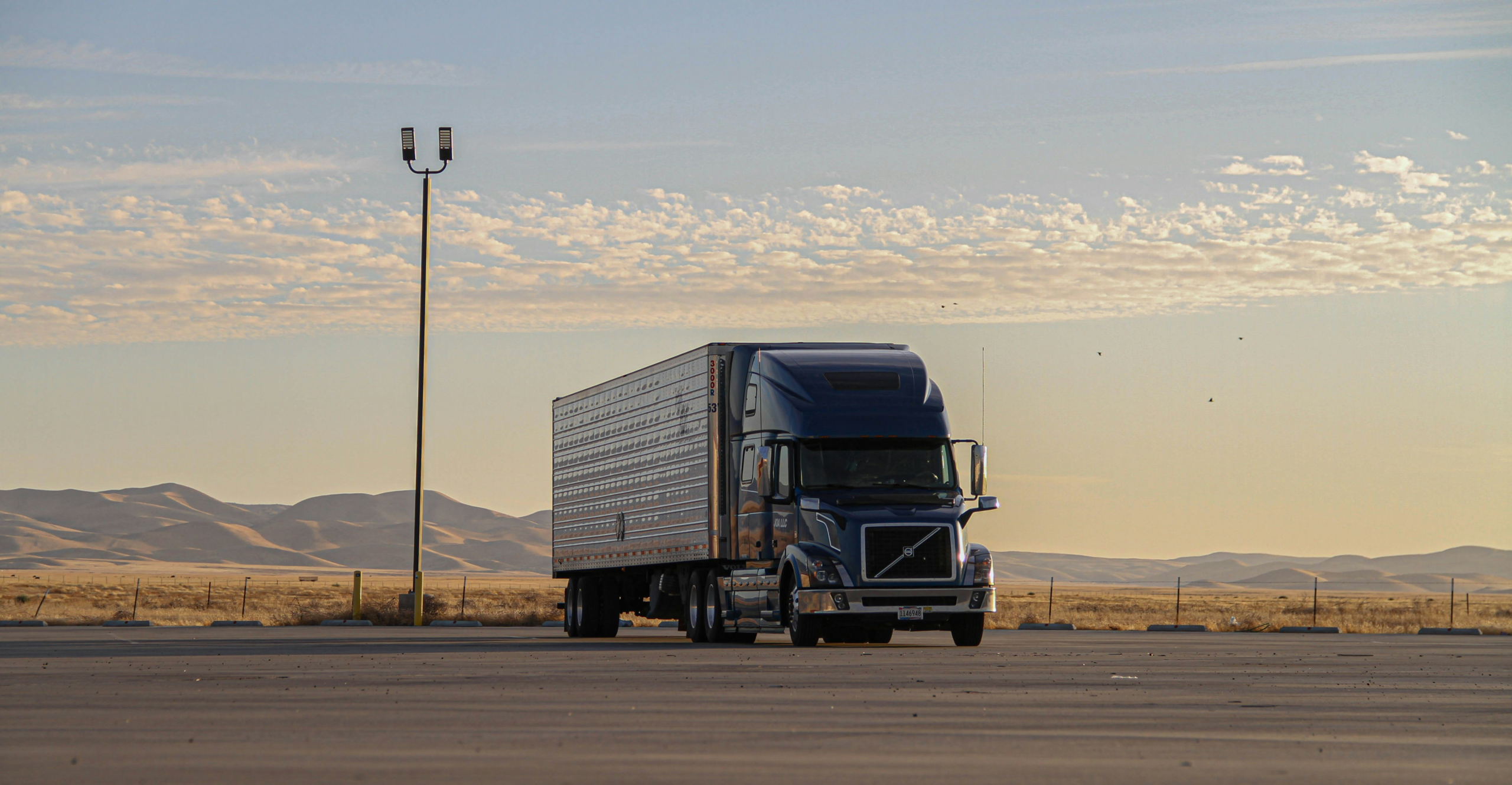
Aurora’s self-driving semis just crossed a real number: 500,000 miles on U.S. highways with nobody in the driver’s seat. No fender bumps, no headline crashes. Just trucks doing the job while a human watches from a desk hundreds of miles away. Aurora announced the milestone at its investor day on September 23, and buried in those slides is a real win for autonomous trucking safety, and for anyone who buys something shipped by truck. That’s most of us.
What Aurora Actually Did
Aurora runs 200 driverless trucks today, hauling freight for carriers like Hirschbach along Texas highway corridors with nobody behind the wheel. The company wants 30,000 trucks running by 2030. Its second-generation hardware now costs less than half what the first version did, according to DC Velocity’s coverage of the announcement. Cheaper hardware means carriers can add trucks without passing every dollar of that cost on to shippers.
- 500,000+ miles driven with nobody behind the wheel since commercial launch
- 200 trucks running today, with 30,000 targeted by 2030
- 225,000+ miles per truck each year, more than double a typical long-haul truck’s mileage
- Second-generation hardware costs cut by more than half
Why Your Grocery Bill Cares
Most of what lands on store shelves, from lumber to diapers, spends part of its trip on a truck. An Aurora truck logs 225,000 miles a year instead of the roughly 100,000 a traditional rig manages. That’s one truck doing the work of two. Fewer trucks moving the same freight means less pressure pushing freight rates, and eventually shelf prices, upward.
Picture Raj, who runs a hardware store outside Columbus, Ohio. When a shipment of plumbing fixtures gets stuck behind a driver shortage or a freight-cost spike, he either eats the loss or raises prices. A freight network that moves more with fewer trucks is one less thing squeezing that shelf price.
Autonomous Trucking Safety in the Next Lane Over
Safety is the other half of this story. Federal regulators list driver fatigue among the persistent risk factors behind fatal large-truck crashes, the kind of exhaustion that builds up over long hauls and odd hours. An Aurora truck doesn’t get sleepy at 3 a.m. on I-45. It doesn’t check a phone or push through one more mile after a 14-hour shift.
That doesn’t mean human drivers vanish. Hirschbach Motor Lines, one of Aurora’s carrier partners, has said its autonomous trucks will “handle the lengthier, less desirable routes, providing our drivers with greater flexibility.” Picture Tanya, a driver based in San Antonio who used to spend ten days at a stretch away from home. Under that model, she runs the shorter regional legs and sleeps in her own bed most nights, while an Aurora truck grinds through the overnight interstate run she used to dread.
“We have emerged from the building phase and are revolutionizing how goods move, unlocking safety benefits,” Aurora CEO Chris Urmson said at the investor day.
Not everyone thinks the transition will be smooth. Technical.ly points out that autonomous trucking still runs mostly on controlled highway corridors, with construction zones, bad weather, and last-mile delivery staying firmly human territory for now. Fair caveat. It doesn’t erase what 500,000 real miles already show: this works well enough, often enough, that a major carrier is betting its fleet on it.
Drive I-10, I-20, or I-45 in Texas over the next year, and you’ll probably share the road with one of these trucks without noticing. The number worth watching isn’t 30,000. It’s whether that safety record holds as Aurora scales up a hundred times over, because that’s what decides whether this becomes the new normal or a cautionary tale.